





Genetic Clues to Efficacy
Recent scientific investigations are shedding light on the puzzling variability in how individuals respond to cutting-edge weight loss medications such
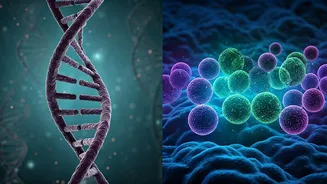
as those mimicking GLP-1 and GIP hormones. While drugs like semaglutide and tirzepatide have shown remarkable success for many in managing obesity and diabetes, a significant portion of users report minimal to no effect. This disparity has led researchers to explore a genetic basis for these differing outcomes. A study involving nearly 28,000 participants who were administered these mimicry drugs revealed a specific gene variant that appears to influence how effectively the medication binds to its target receptors. Individuals carrying one copy of this variant showed a modest, yet statistically significant, additional weight loss of approximately 0.76 kilograms over eight months compared to those without the variant. Even more pronounced effects were observed in individuals with two copies, who experienced an average additional loss of around 1.5 kilograms. This genetic connection wasn't limited to efficacy; the same variant was also found to correlate with the intensity of gastrointestinal side effects like nausea and vomiting, with tirzepatide specifically noted for an increased risk of vomiting in some patients.
Indian Context Unpacked
For the Indian population, the implications of this genetic link to weight loss drug efficacy are particularly significant, according to leading endocrinologists. Emerging evidence suggests that individual genetic makeup plays a crucial role in determining the extent of weight loss achieved. Previous research in India has already demonstrated that variations in genes like FTO and VDR can impact the effectiveness of dietary interventions. Furthermore, findings have indicated that certain genes, such as the Neurobeachin gene, might influence weight loss patterns in individuals using GLP-1 based therapies. The current study reinforces these observations with more robust data, highlighting the potential for personalized approaches. Given the diverse range of obesity presentations and the increasing adoption of GLP-1 drugs in India, developing tailored treatment strategies based on genetic profiling could become a cornerstone of future obesity management. Well-designed studies focused on Indian populations are essential to pinpoint genetic markers that can guide healthcare providers in selecting the most beneficial therapies for each individual, thereby optimizing outcomes and minimizing adverse effects.
Diverse Responses Observed
Clinicians observing patients on weight loss medications have noted a spectrum of responses, with some individuals being categorized as 'super responders' while others are considered 'non-responders.' This variation is not exclusive to newer drugs but has also been seen with earlier versions of GLP-1 agonists. Broadly, four response types have been identified among Indian patients: those experiencing significant improvements in both blood sugar levels (HbA1c) and weight, a group showing better weight reduction primarily, another group with notable decreases in HbA1c but less weight loss, and a smaller but stubborn segment where neither metric improves. This phenomenon, known as pharmacogenomics, is the study of how an individual's genetic makeup influences their reaction to medications. By analyzing DNA, this field aims to equip healthcare professionals with the knowledge to prescribe the most effective drugs and optimal dosages, thereby maximizing benefits and reducing the likelihood of negative side effects. The future of obesity treatment may hinge on understanding these genetic predispositions to tailor therapies more precisely.
Personalizing Treatment
The growing understanding of pharmacogenomics suggests that drug efficacy can vary significantly not just due to genes but also due to factors like ethnicity, gender, and age, and even specific subtypes of Type 2 diabetes. For instance, individuals with Insulin Resistant Obese Diabetes (IROD), characterized by a high body mass index, increased waist circumference, and pronounced insulin resistance, might respond favorably to weight loss medications. In this condition, the body produces insulin, but it's not utilized efficiently due to obesity-related resistance. Conversely, patients with insulin-deficient Type 2 diabetes may not experience the same level of benefit. Further research is also exploring drug classes that work by preventing the breakdown of the body's own gut hormones. These are reported to be more effective in certain ethnic groups, such as Indians and Koreans, compared to others. Given that current prominent studies often focus on Caucasian populations, more research is imperative to accurately assess the efficacy of these weight loss therapies across diverse South Asian populations, including Indians, to ensure equitable and effective treatment strategies.