






E-Challan: The Basics
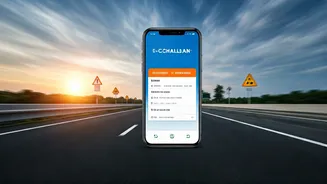
Electronic challans, or e-challans, are digital notices for traffic violations issued by authorities. These notices are issued to inform drivers of infractions,
such as speeding, jumping red lights, or parking illegally. They typically include details of the violation, along with the penalty, and payment instructions. It's designed to streamline the process, allowing authorities to manage traffic laws efficiently and reduce physical interaction. The e-challan system uses technology to record violations. They are then sent to the registered owner's address. The data for these challans is usually collected through traffic cameras or officers on duty. Payment is typically done online or through designated offline channels. It's a faster way of enforcing traffic rules than the previous methods.
Identifying Suspicious Notices
Scammers are constantly adapting their tactics, and e-challan scams are now a major concern. One common method involves sending fake e-challans via SMS or email, often including links to malicious websites. These sites can look very similar to official government portals, leading victims to unknowingly enter personal or financial information. Some scams might threaten legal action or offer discounts if the payment is made quickly, creating a sense of urgency. Always be suspicious of unsolicited messages requesting immediate action or sensitive information. It's best practice to verify all e-challans through official government websites or verified sources before making any payments. Keep in mind that legitimate authorities will not typically demand payment through unverified channels.
Official Verification Methods
To confirm the authenticity of an e-challan, always use official verification methods. First, visit the official website of the traffic police or the transport department of your state or city. Look for a section dedicated to e-challan verification or payment. This section often requires you to enter your vehicle registration number, challan number, or driving license details. This is usually the quickest way to see if a challan is genuine. If you’re unsure about an e-challan, contact the traffic police directly through their official helpline or email. They can confirm the validity of the notice and provide any necessary clarifications. Keep a record of the challan number, date, and any other relevant information. This information is required for future reference. Always use a secure and private internet connection when accessing government websites to prevent any unauthorized access to your data.
Common Scam Tactics
Scammers use many different tactics to trick people. One includes creating fake websites with look-alike official logos and layouts, that look very convincing. These websites prompt users to enter their personal information or download malware. They might send emails or SMS messages with urgent warnings and fake payment deadlines to create a sense of panic. The scam might include attachments containing viruses or links to phishing sites that will steal your data. Be wary of any links or attachments in unexpected messages. Another common tactic involves impersonating traffic police officers, asking for personal details, or requesting payments through unofficial methods like UPI or QR codes. Always report any suspicious messages or emails to the local cybercrime department or the traffic police immediately. Doing this will alert the authorities and help prevent more people from falling victim to these scams.
Protecting Your Information
Safeguarding your personal and financial information is vital to prevent e-challan scams. Always keep your antivirus software up-to-date. Ensure your devices are protected against malware and phishing attacks. Never share personal information such as bank details, passwords, or OTPs, with anyone. It's always best practice to use strong, unique passwords for all online accounts. Always verify the sender's identity and the website's security before providing any information. Regularly review your bank and credit card statements for any unusual transactions. Make sure to report any unauthorized activity immediately. Be cautious about clicking on links in unsolicited emails or SMS messages. Instead, manually type the official website address into your browser to avoid any redirection to fraudulent websites.