


Vision Unveiled
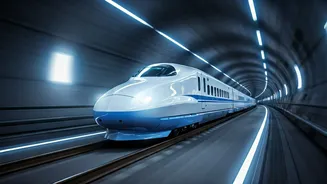
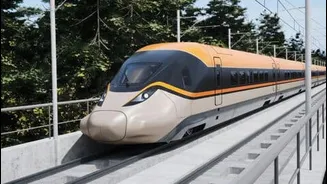
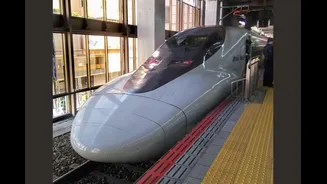
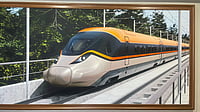
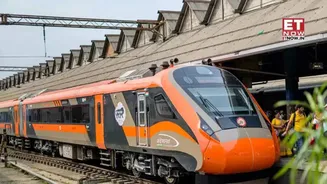
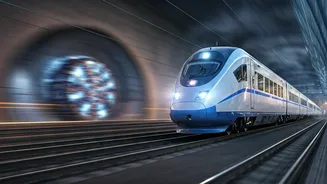
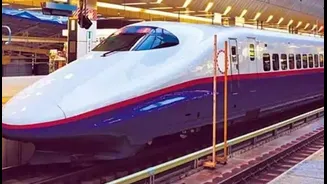
The anticipation for high-speed rail in India has reached a new level with the public unveiling of the country's first bullet train design. A visual representation
of this ambitious project has been prominently displayed at Gate Number 4 of the Ministry of Railways building in New Delhi. This display offers a crucial first glimpse into the aesthetic and engineering considerations of the train destined to connect two of India's major economic hubs, Mumbai and Ahmedabad. It signifies a monumental step forward in the nation's pursuit of modern transportation infrastructure, aiming to significantly shorten travel distances and enhance connectivity between these vital urban centers.
Projected Launch & Impact
The envisioned Mumbai-Ahmedabad High-Speed Rail corridor is targeted for a grand launch on August 15, 2027. This date marks a significant milestone in India's infrastructural development, promising to redefine inter-city travel dynamics. Once fully operational, the bullet train is projected to slash the current travel duration between Mumbai and Ahmedabad dramatically, bringing the journey down to an estimated two hours. This substantial reduction in travel time will not only facilitate smoother and quicker commutes for passengers but also is expected to foster greater economic synergy and enhance business interactions between these two prominent metropolitan areas.
Construction Milestones
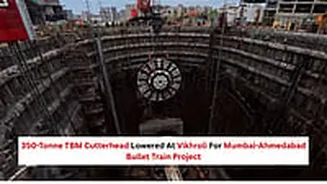
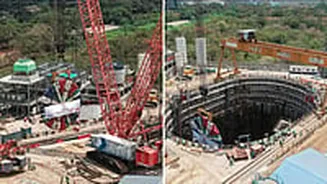
The construction of this groundbreaking high-speed rail project is making significant strides, particularly with the recent installation of the first Tunnel Boring Machine (TBM) cutterhead at Vikhroli, Mumbai. This marks a critical phase in excavating a vital tunnel for the Mumbai-Ahmedabad corridor. The 13.6-meter diameter cutterhead, weighing an impressive 350 tonnes, was lowered into place, symbolizing the final assembly stage for the TBM's primary shield. This advanced machinery is essential for constructing a substantial 16-kilometer section of the total 21-kilometer tunnel planned for the Mumbai segment of the route.
Advanced Tunneling Technology
The project is employing state-of-the-art tunneling technology, with two colossal TBMs, each exceeding 3,000 tonnes, being assembled for the intricate underground work. Notably, this ambitious endeavor includes the construction of a 7-kilometer undersea tunnel beneath Thane Creek, which will establish a new precedent as India's very first undersea rail tunnel. These TBMs stand as the largest machines ever deployed for rail tunnel construction within the country. Their sophisticated design allows for the excavation of a single, expansive tunnel capable of accommodating both the up and down lines of the bullet train route, ensuring seamless two-way traffic flow.
Urban Tunneling Challenges
The intricate tunnel network being constructed, spanning approximately 6 kilometers from Vikhroli to Bandra Kurla Complex (BKC), presents unique engineering challenges. This segment will be carved out using the advanced TBM technology. The tunnel is designed to navigate through densely populated urban landscapes and traverse beneath the Mithi River, before ultimately reaching the under-construction Mumbai bullet train station at BKC. The precise and complex nature of this urban tunneling requires meticulous planning and execution to ensure the safety and efficiency of both the construction process and the eventual high-speed rail operation.