







TCS: What Changed?
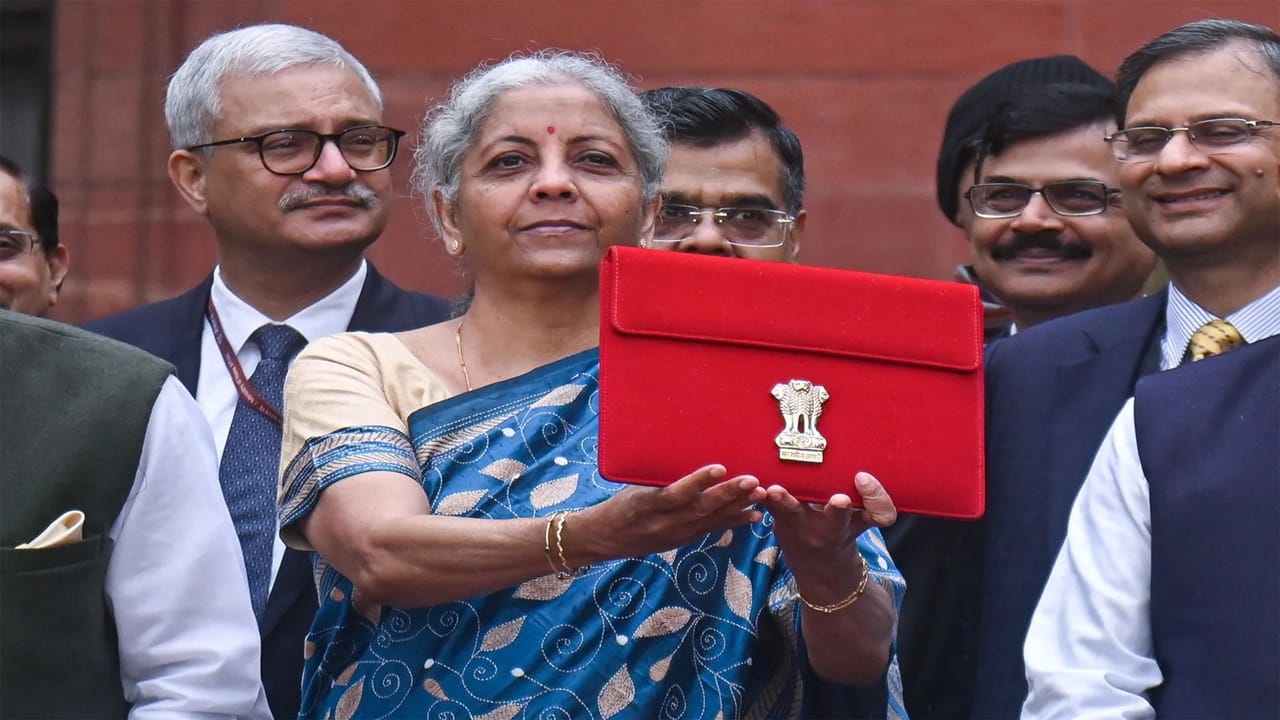
The recent budget, unveiled by Nirmala Sitharaman, brought forth a significant adjustment to the Tax Collected at Source (TCS) regulations, particularly
impacting those involved in international transactions. Previously, TCS on overseas tour packages was levied at rates of 5% and 20%. The new budget has brought this down to a flat 2%, irrespective of any minimum amount. Similarly, the TCS on remittances for education and medical expenses under the Liberalised Remittance Scheme (LRS) has also been reduced from 5% to 2%. This means that individuals and families sending money abroad for studies, medical treatments, or booking overseas travel packages will now experience lower upfront deductions, thereby improving their immediate cash flow. This reform aims to make international travel and education more financially manageable, especially for middle-class families.
Impact on Travelers
The revised TCS framework is designed to offer substantial benefits to travelers. With the reduction in TCS on overseas tour packages to just 2%, booking international trips becomes considerably more affordable upfront. This decrease directly translates to a decrease in the initial costs associated with travel, encouraging increased bookings for overseas travel packages. This is particularly beneficial for families relying on education loans, personal savings, or short-term borrowing. A lower TCS means families won’t have to tie up large sums of money with the government for extended periods before receiving refunds or adjustments. This allows for better management of savings, EMIs, and day-to-day expenses. The move is expected to invigorate outbound tourism, a sector that was significantly impacted by the pandemic and is now a major contributor to foreign exchange outflow, thereby boosting the travel sector overall.
Benefits for Education & Health
The TCS reduction also offers considerable relief for families managing education and medical expenses abroad. Previously, remittances for these purposes were subject to a 5% TCS, which has now been streamlined to 2%. This helps families by lowering the immediate cash outlay required. Expenses like university tuition and medical treatments often amount to substantial sums, sometimes running into lakhs. With a lower TCS, families are not forced to block significant funds with the government for extended periods, providing more financial flexibility to handle ongoing expenses, EMIs, and day-to-day budgets. The revised TCS policies provide more financial flexibility for parents funding their children's education abroad, easing the financial strain often associated with these significant life events. This can greatly alleviate the need for additional loans or the withdrawal of funds from savings.
Industry Perspectives
The move has been lauded by key players in the travel and tourism industry. Industry experts recognize that the reduction in TCS is a step towards reviving outbound travel demand. Nishant Pitti, founder & chairman of EaseMyTrip, stated that the Union Budget strongly supports the travel and tourism sector by acknowledging its role as a key driver of employment and economic growth. According to Pitti, the budget's focus on destination development, tourism infrastructure, digital mapping of tourist sites, and skill development will significantly boost both domestic and inbound tourism. The reduction in TCS on overseas tour packages is viewed as a positive development that will encourage more individuals to plan international trips. This strategic shift is expected to streamline payments and reduce the upfront tax burden on travelers, offering a smoother and less cumbersome experience at the time of booking, ultimately contributing to a more dynamic and prosperous travel industry.
Smoother Tax Processes
Beyond immediate cost savings, the budget also aims to make the tax processes more efficient. Historically, many taxpayers encountered delays or confusion when claiming TCS refunds. By reducing the amounts collected upfront, the government hopes to simplify reconciliation processes and make tax filing smoother for individuals. This change doesn’t remove the ultimate tax liability, but it does eliminate the strain on cash flow. Instead of having substantial amounts blocked with the government, families retain more funds when they need them. This modification reflects the government's aim to ease the financial pressure faced by travelers and service providers following the sharp increases in TCS implemented in 2023. This is an effort to create a more user-friendly system, making compliance less complex and improving the overall financial experience of those involved in international transactions and travel-related expenses.