




The Flake Illusion
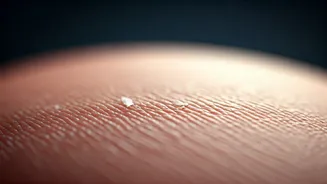
The idea that shaving your head will eradicate dandruff is a persistent myth, often stemming from the fact that flakes become less noticeable when there's
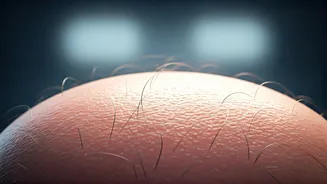
no hair to catch them. However, this perceived improvement is purely superficial. Dandruff originates from the scalp itself, not the hair strands. When the hair is removed, the visible flakes can be more easily washed away or are simply less conspicuous against bare skin. Dermatologists emphasize that this doesn't address the underlying biological causes of dandruff, which continue to persist beneath the surface of the skin. Therefore, while shaving might offer a temporary aesthetic change, it does not treat the root of the problem, leaving the actual condition unresolved.
Underlying Causes
Dandruff is fundamentally a skin condition characterized by the scalp's reaction to the natural presence of oil and a specific type of yeast. This interaction triggers irritation, leading to an accelerated shedding of skin cells, which we perceive as flakes. Several factors can aggravate dandruff, including environmental shifts like changes in weather, psychological stress, an individual's genetic predisposition, and the inherent sensitivity of their skin. A dermatologist explains that shaving the head has no impact on these core issues. It doesn't reduce the activity of oil-producing glands, nor does it influence the growth of the yeast responsible for the inflammation. Consequently, even after shaving, the conditions that foster dandruff remain, making its return highly probable.
Potential Worsening
Contrary to the belief that shaving offers a solution, it can inadvertently worsen dandruff or lead to other scalp issues. Shaving exposes the scalp directly to a multitude of environmental aggressors, such as intense sunlight, airborne pollutants, and potentially harsh grooming products. Furthermore, the act of shaving itself can cause minor nicks or irritation to the skin. These micro-injuries can compromise the scalp's protective barrier, making it more susceptible to dryness, itchiness, and redness. A weakened skin barrier disrupts the delicate balance of natural microbes on the scalp, which is crucial for maintaining health. This imbalance can exacerbate flaking and increase discomfort, turning a simple act of hair removal into a catalyst for scalp distress.
Effective Solutions
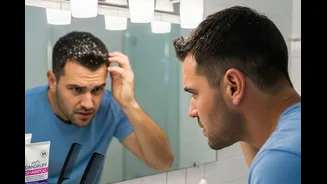
For long-term management of dandruff, a consistent and targeted approach is far more effective than drastic measures like shaving. The most reliable strategy involves the regular use of medicated anti-dandruff shampoos. These specialized formulations are designed to effectively control the yeast associated with dandruff, reduce scalp inflammation, and promote healthier skin cell turnover. Crucially, these shampoos should be used consistently, even if the hair is very short or the scalp has been shaved. To maximize their benefit, it's recommended to leave the shampoo on the scalp for a short period before rinsing thoroughly. Beyond shampooing, other beneficial practices include avoiding the overuse of harsh soaps, protecting the scalp from excessive sun exposure, and actively managing stress levels. Ultimately, dandruff is a skin condition, and treating the scalp directly, rather than focusing on hair removal, is key to keeping it under control.