







What is an RR Stamp?
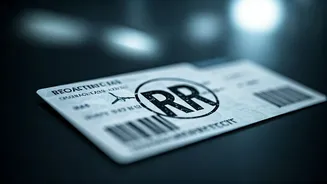
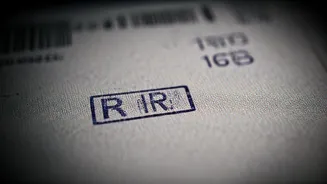
The enigmatic 'RR' marking on your boarding pass signifies a 'Random Review' or 'Random Referral.' This designation indicates that you've been selected
through an automated, entirely random process for an additional layer of security screening before your flight. It's crucial to understand that this selection is not a sign of suspicion or an indication that you've done anything wrong. Instead, it's a proactive measure implemented within India's aviation security framework, overseen by the Bureau of Civil Aviation Security (BCAS), to enhance overall safety. Airlines' check-in systems generate this marking as per the requirements of airport security and customs authorities. This procedure, while potentially adding a few extra minutes to your pre-flight routine, is designed to ensure a secure travel experience for all passengers.
The Algorithm Behind RR
The selection process for the 'RR' stamp is driven by a sophisticated algorithm, ensuring that it is completely random. This means that factors such as your passenger behavior, the type of ticket you've purchased, your nationality, or your loyalty status as a frequent flyer have absolutely no bearing on whether you are chosen for this additional screening. The underlying principle of this protocol is unpredictability, a widely accepted doctrine in aviation security aimed at strengthening deterrence against potential threats. This element of surprise is key to its effectiveness. Typically, passengers flagged with an 'RR' marking undergo their additional screening after passing through the immigration check, positioning it as a final verification step before boarding.
Purpose and Scope of RR
The primary objective behind the Random Referral ('RR') system is to bolster security and prevent the unlawful export of prohibited items and undeclared currency, both Indian and foreign, exceeding stipulated limits set by the Reserve Bank of India (RBI). This directive aims to maintain surveillance on departing passengers and to deter illegal cross-border transactions. While the system is designed to be unobtrusive, passengers identified for RR are treated with courtesy during their checks. Airlines are promptly informed about these passengers before they proceed with immigration and security formalities, ensuring a smooth, albeit slightly more thorough, process. It's important to note that less than 2% of passengers are typically selected for scrutiny under the RR procedure, minimizing disruption for the vast majority of travelers.
Navigating an RR Check
If your boarding pass bears the 'RR' stamp, remain calm as the process is generally straightforward and procedural. You may be directed to undergo supplementary frisking, have your hand baggage re-examined, or be asked for additional document verification, often at the boarding gate or a designated security zone. Cooperation with the airport staff is key to a swift resolution. It is highly recommended to arrive at the airport earlier than usual to account for any potential delays. Once you have completed your initial check-in and security screening, you might be guided for further checks such as an additional baggage scan, a body scan, or a more thorough ID verification. These steps are integral to the security framework and are designed to be as efficient as possible.
RR on Domestic vs. International
While the 'RR' marking is frequently observed on international departures due to the inherent complexities of cross-border security and integrated customs protocols, it is not exclusively limited to these flights. Random secondary screening can also be implemented on domestic flights, depending on current security directives and assessments. The integration of customs checks and heightened vigilance for international travel often makes the 'RR' designation more prevalent in those scenarios. However, the underlying principle of random secondary screening remains a global standard, adaptable to both domestic and international aviation environments as security needs dictate.
Global Parallels and Indian Airports
Although the specific 'RR' marking is unique to India's aviation system, the concept of random secondary screening is a standard practice worldwide. Many countries employ similar protocols, with variations in terminology and boarding pass indicators; for instance, the Transportation Security Administration (TSA) in the United States oversees similar additional screenings. The 'RR' protocol in India is not confined to a single airport but is a centrally governed directive applicable across all security-controlled airports nationwide. This includes major international hubs such as Delhi's Indira Gandhi International Airport, Mumbai's Chhatrapati Shivaji Maharaj International Airport, Bengaluru's Kempegowda International Airport, and Hyderabad's Rajiv Gandhi International Airport, ensuring a uniform security approach across the country.