



Triund: Himalayan Views
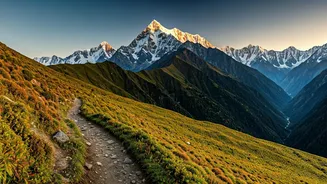
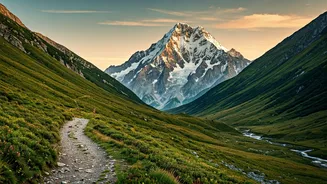
Nestled in Himachal Pradesh, Triund stands as a premier choice for neophyte trekkers, boasting an altitude of 2,850 meters. The 5-6 km pathway commencing
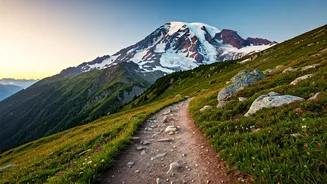
from McLeod Ganj is exceptionally well-maintained and clearly marked, featuring a moderate incline that makes it perfectly achievable over a standard weekend. The trek rewards hikers with unparalleled vistas of the majestic Dhauladhar mountain range. Optimal times to undertake this journey are between March and June, and again from September to November, offering pleasant weather conditions for an immersive Himalayan experience.
Nag Tibba's Charm
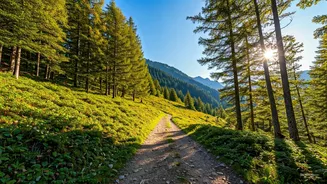
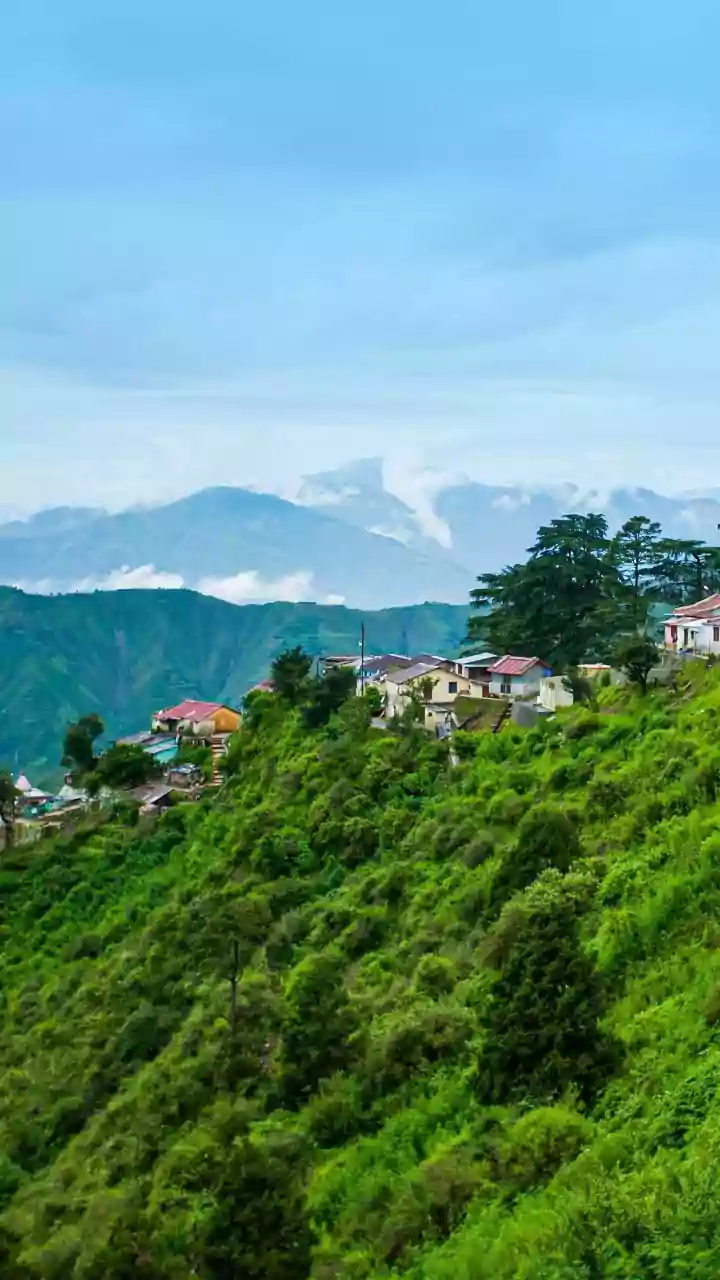
Known affectionately as the 'Serpent's Peak,' Nag Tibba in Uttarakhand reaches an elevation of 3,022 meters, making it the highest summit in the region's lower Himalayan expanse. This trail presents a more gradual ascent, winding through captivating forested landscapes. It's an excellent introduction to Himalayan trekking, providing a rewarding and relatively gentle experience for those embarking on their initial mountain expedition. The ideal period for this trek spans from October to April, when the weather is generally favourable for hiking.
Tadiandamol's Slopes
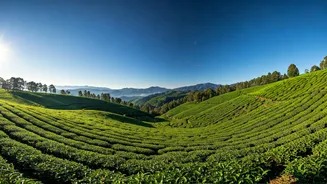
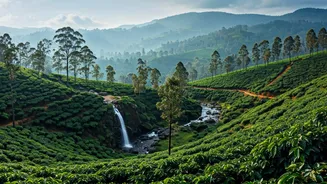
In Karnataka, Tadiandamol represents the highest point in Coorg, standing at 1,748 meters. This trek is characterized by its rolling grassy inclines interspersed with dense shola forests, offering a distinct Western Ghats panorama. The route is quite straightforward and requires no specialized skills, making it an ideal choice for beginners eager to explore the southern mountain ranges. The best months to visit are from October through February, when the climate is conducive to exploration.
Rajmachi Fort's History
Rajmachi Fort in Maharashtra, situated at approximately 820 meters, is a popular destination, particularly during the monsoon season, attracting hikers from Mumbai and Pune. The trail unfolds amidst vibrant, lush greenery, with the added allure of cascading waterfalls and the historical remnants of ancient forts. The pathway is commendably wide and presents no technical difficulties, ensuring a safe and enjoyable trek for beginners. The period from June to February is most recommended for this scenic and historical journey.
Chopta-Tungnath Ascent
The trek from Chopta to Tungnath Temple in Uttarakhand, culminating at an altitude of 3,680 meters, leads to the world's highest Shiva temple. This 3.5 km path is paved, making it remarkably accessible. Early spring might present some snow, adding a magical element, while the sweeping Himalayan vistas provide a truly unforgettable backdrop. The accessibility of this trek, combined with its spiritual significance and natural beauty, makes it a compelling option for beginners. The prime trekking window is from April to November.
Kumara Parvatha's Challenge
While Kumara Parvatha in Karnataka, at 1,712 meters, presents a more demanding ascent closer to its summit, its initial stages are quite manageable for fit beginners. This trek offers a rewarding journey through dense forests that gradually open up to expansive ridge views, showcasing the diverse beauty of the Western Ghats. The optimal season to attempt this trek is between October and February, allowing for favourable weather conditions throughout the varied terrain.
Kheerganga's Hot Springs
Kheerganga in Himachal Pradesh, at an altitude of 2,960 meters, offers a gentle 12 km hike that is perfect for those new to multi-hour treks. The path meanders through picturesque forests and past charming waterfalls, culminating in a naturally heated hot spring. This unique reward at the end of the trek makes the journey highly enjoyable and memorable. The best times to experience Kheerganga are from May to June and September to October, offering pleasant weather for the hike.
Sandakphu's Peaks
Sandakphu in West Bengal, standing at a lofty 3,636 meters, is renowned for offering views of four of the world's five tallest mountains, including Mount Everest. Although the trek is longer than some beginner routes, the trail itself is characterized by a gradual incline, making it surprisingly manageable. Moreover, certain sections of the path are accessible even by vehicle, adding to its beginner-friendliness. The ideal periods for this trek are April to May and October to December.
Dzukou Valley's Beauty
Often dubbed the 'Valley of Flowers of the Northeast,' Dzukou Valley, located at an altitude of 2,452 meters on the border of Nagaland and Manipur, provides a short yet incredibly scenic trekking experience. The valley is particularly stunning during its bloom season, typically from June to September, when it transforms into a carpet of vibrant flowers. For those seeking a visually spectacular and relatively easy introduction to trekking in the Northeast, this valley is an excellent choice. The post-bloom period from October to November also offers clear skies.
Chembra Peak's Heart
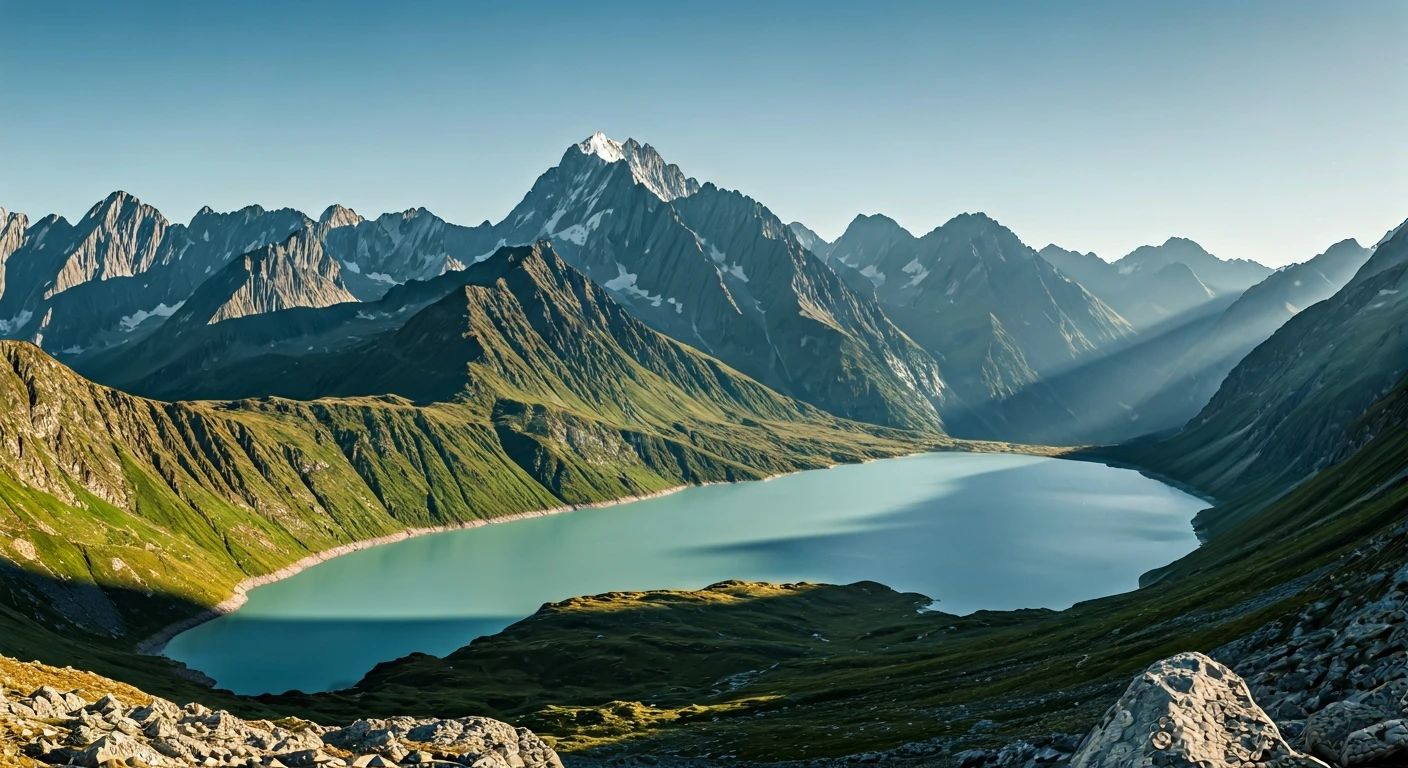
Chembra Peak in Kerala, reaching 2,100 meters, is celebrated for its distinctive heart-shaped lake, a truly unique natural formation. The trek itself involves a steady incline, offering progressively stunning views of the undulating, verdant hills characteristic of the Wayanad region. This trail provides a rewarding climb with ample natural beauty to admire along the way. The most favourable time to undertake this trek is between September and February, ensuring pleasant weather conditions.
Matheran Panorama Trail
The Matheran Panorama Trail in Maharashtra, situated at 800 meters, is part of a unique car-free hill station renowned for its network of easy walking paths. This particular trail is predominantly flat, making it exceptionally beginner-friendly. It winds through serene landscapes, offering sweeping vistas of the surrounding valleys. The trail is ideal for a leisurely exploration and provides a relaxing introduction to trekking. The best season to enjoy this trail is from October to May, when the weather is pleasant.