







A Coastal Powerhouse
Kochi, nestled along the Arabian Sea on India's southwestern coast, has earned its reputation as the nation's undisputed Seafood Capital. This distinction
isn't accidental; it stems from the city's pivotal role in every facet of the seafood industry, from initial catch to international export. Its strategic coastal positioning, coupled with a sophisticated port infrastructure, creates an ideal environment for large-scale seafood commerce. Kochi serves as a primary hub for fishing operations, advanced processing facilities, and substantial export activities, making it a cornerstone of India's marine trade and economic growth. The city's influence in this sector is profound, ensuring a consistent supply of high-quality marine products for both domestic and global markets.
Global Export Hub
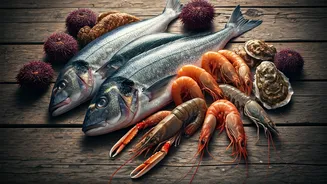
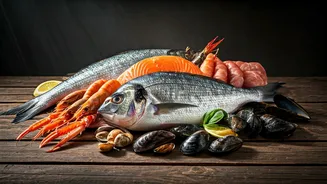
The significance of Kochi in India's seafood export landscape cannot be overstated. This bustling city is where a multitude of marine delicacies, including succulent shrimp, diverse fish varieties, fresh crabs, and various shellfish, are meticulously processed before embarking on journeys to international destinations. The processing units located here adhere to stringent global quality standards, ensuring that products meet the demanding requirements of overseas markets. Through these extensive export operations, Kochi makes a substantial contribution to India's foreign exchange earnings, solidifying its position as a critical player in the global seafood trade arena and enhancing the country's economic standing.
Economic Engine & Employment
Beyond its trade and export prominence, the fishing industry in Kochi acts as a vital economic engine, providing livelihoods for thousands of individuals. This expansive sector sustains a diverse workforce, encompassing fishermen who brave the seas, traders who manage the commerce, factory workers who process the catch, and transport staff who ensure timely delivery. The industry thrives by integrating both cutting-edge modern fishing vessels and time-honored traditional fishing techniques, catering to a wide range of production needs. For numerous families residing along the coast, fishing is not just an occupation but the very foundation of their economic survival and well-being.
Rich Marine Ecosystem
Kochi's favorable tropical coastal climate fosters a remarkably rich and diverse marine ecosystem, which is fundamental to its status as the Seafood Capital. The waters of the Arabian Sea teem with a wide array of fish species and offer abundant fishing grounds that remain productive throughout the year. Furthermore, the region is blessed with natural harbors and extensive backwater systems. These geographical features not only support a healthy marine life but also significantly facilitate the logistics of transportation and trade, allowing for efficient movement of seafood from the point of capture to processing and distribution channels, thereby enhancing the overall efficiency of the industry.
Support Infrastructure & Global Reach
The thriving seafood industry in Kochi is underpinned by a robust network of supporting businesses and infrastructure. This ecosystem includes essential cold storage facilities that preserve the freshness of the catch, specialized packaging units that prepare products for export, and comprehensive transport and logistics services that ensure smooth supply chain operations. The dynamism of the marine sector actively strengthens India's competitive position in the worldwide seafood market. Kochi stands as one of the country's foremost marine export processing centers, with seafood originating from this region reaching markets across Asia, Europe, and the Americas, showcasing its extensive global reach.
Historical Trade Roots
Kochi's prominence as a trade center, particularly for maritime commerce, spans centuries, thanks to its naturally endowed harbor. This long and storied history of seafaring trade laid the groundwork for the development of its sophisticated fishing and export industries. The ancient trade routes and established maritime connections provided a fertile ground for the growth of seafood commerce. Moreover, the extensive backwater systems characteristic of the region play a crucial role in supporting aquaculture and shellfish farming initiatives. These vital water bodies contribute significantly to boosting overall seafood production levels and enhancing the biodiversity of the local aquatic environment.