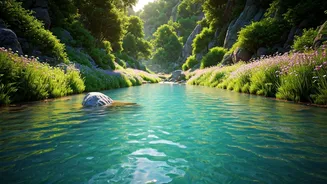



Arvari: Rajasthan's Revival
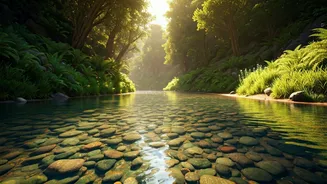
The Arvari River, a testament to resilience, traverses approximately 90 kilometers through Rajasthan's Alwar district. Once facing arid conditions, this
waterway has been rejuvenated through dedicated community-driven water conservation initiatives. Its successful revival has positioned the Arvari as a celebrated example of effective river restoration, demonstrating how local efforts can breathe life back into natural resources and provide a model for sustainable water management in arid regions. The river's journey from near-desiccation to a flowing artery highlights the power of collective action in preserving ecological balance.
Zuari: Goa's Waterway
Flowing for roughly 92 kilometers, the Zuari River is a prominent, albeit short, river in Goa. This westward-flowing waterway empties into the Arabian Sea, forming an integral part of the state's rich estuarine environment. The Zuari plays a critical role in supporting the unique biodiversity found in Goan estuaries, influencing the delicate balance of marine and freshwater ecosystems. Its presence is vital for the local environment and the livelihoods that depend on its waters, contributing to the natural beauty and ecological health of the coastal region.
Mandovi: Goan Lifeline
The Mandovi River, spanning about 77 kilometers, originates in the lush Western Ghats of Karnataka before making its way through Goa. This river is a central pillar for various activities within Goa, serving as a crucial route for transportation, a rich source for fishing communities, and a significant attraction for tourism. Its relatively short but impactful course makes it indispensable for the economic and cultural fabric of the state, facilitating commerce and leisure, and nurturing the vibrant aquatic life that thrives along its banks.
Aghanashini: Undammed Flow
Unique among Indian rivers, the Aghanashini River in Karnataka boasts a length of 121 kilometers and flows unimpeded by major dams. This free-flowing nature makes it a rare and valuable ecosystem in India, allowing its natural course and aquatic life to flourish without significant human intervention on its flow. Emptying into the Arabian Sea, the Aghanashini supports a remarkable array of biodiversity, providing a sanctuary for numerous species that depend on its undisturbed environment for survival and reproduction.
Sharavathi: Waterfall Wonder
Measuring approximately 128 kilometers, the Sharavathi River is renowned for being the majestic home of Jog Falls, one of India's highest waterfalls. Emerging from the Western Ghats, this river cascades westward, creating a spectacular natural phenomenon. The sheer power and beauty of Jog Falls attract visitors from afar, but the river's importance extends beyond tourism, contributing to the region's landscape and hydrological system as it makes its journey to the coast.
Palar: Seasonal Artery
The Palar River, with an active flow of around 93 kilometers, is primarily a seasonal waterway that meanders through Karnataka, Andhra Pradesh, and Tamil Nadu. While its basin is more extensive, its visible flow is concentrated in a shorter segment. Its intermittent nature is a key characteristic, influencing the landscape and the lives of communities that rely on its waters during its active periods, highlighting the dynamic relationship between water availability and regional development.
Meenachil: Kerala's Lifeblood
At about 78 kilometers in length, the Meenachil River is a vital artery in Kerala, flowing through the state and eventually draining into the expansive Vembanad Lake. This river is deeply intertwined with the agricultural practices and local livelihoods of the region, providing essential water resources for farming and supporting the daily lives of its inhabitants. Its consistent flow through fertile lands makes it a cornerstone of Kerala's rural economy and cultural identity.
Kallada: Ghats to Lake
Originating in the Western Ghats and stretching for approximately 121 kilometers, the Kallada River culminates its journey into Ashtamudi Lake. This waterway holds significant importance for various development projects, particularly in irrigation and the generation of hydroelectric power. Its course through the hilly terrain and subsequent widening into a large lake makes it a crucial resource for both agricultural sustenance and energy production in its surrounding areas.
Tunga: Pristine Flows
As a significant tributary of the Tungabhadra River, the Tunga River measures about 147 kilometers. It originates in the Western Ghats and is celebrated for its remarkably clean waters and the picturesque scenery it enhances. The river's purity and the natural beauty of its surroundings make it a cherished natural asset, contributing to the ecological health of the larger river system and offering a serene landscape for local communities and visitors alike.
Netravati: Coastal Connector
Though slightly longer at around 103 kilometers, the Netravati River is still considered a relatively short but crucial waterway in Karnataka. This river flows westward and empties into the Arabian Sea near the bustling city of Mangaluru. It serves as a vital source of drinking water for the city and its surrounding regions, and its waters are also essential for supporting agricultural activities, making it indispensable for the well-being and sustenance of the coastal population.