






Tragic Loss in Jorhat
In a deeply unsettling event that has sent shockwaves through Jorhat, Assam, a man in his early thirties, Dipankar Bordoloi, tragically lost his life.
The incident occurred while he was at his son's school, seemingly to collect exam results. CCTV footage captured the devastating moment he collapsed on the school grounds, succumbing to what appeared to be a sudden cardiac event. Despite the swift response from school staff and bystanders who rushed him to a nearby hospital, medical professionals declared him dead upon arrival. This sudden and untimely demise of a young father has left many stunned and has amplified concerns regarding the increasing prevalence of heart-related ailments among younger demographics. The viral spread of the footage on social media has further underscored the emotional impact and widespread unease this incident has generated within the community and beyond, prompting urgent discussions about public health and preventive care.
Doctor's Plea for Innovation
Following the distressing incident, a doctor took to social media platform X to voice serious concerns. He highlighted that the deceased, Dipankar Bordoloi, was not visibly overweight, suggesting that traditional indicators of poor health were absent. This observation led the doctor to critically assess the effectiveness of current cardiac screening technologies, deeming them insufficient for identifying risks in individuals who do not fit the 'at-risk' profile based on conventional metrics. The doctor emphasized the urgent need for more affordable and sophisticated early detection tools that can accurately identify potential heart issues before they become fatal. He pointed out that the alarming frequency of such sudden cardiac events, particularly among young adults, necessitates a paradigm shift in how heart health is monitored and managed, moving beyond basic screenings to more advanced diagnostic capabilities that can capture subtle or non-obvious indicators of disease.
Flaws in Current Guidelines
Further discussions online revealed a widespread belief that existing cardiac guidelines are too generalized and fail to address the individual complexities of heart disease. Users pointed out that young adults are often classified as 'low risk' primarily due to their age, overlooking other critical factors. The problem, as explained by one commenter, lies in the limitations of standard tests like Electrocardiograms (ECGs) and Coronary Artery Calcium (CAC) scans, which may not detect non-calcified plaques or genetic predispositions effectively. These methods, built for population-level assessment, can miss underlying electrical or inflammatory issues that pose significant threats. The consensus is that a more personalized approach to screening is vital, one that considers genetic factors, inflammatory markers, and the specific physiological makeup of individuals, rather than relying on broad-stroke diagnostics that can leave critical risks undetected until it is tragically too late.
Beyond Routine Checks
The inadequacy of routine cardiac screenings for young adults was a recurring theme in the online discourse. Many users expressed that standard tests like ECGs and stress tests often fall short in identifying non-calcified plaques, which can be a significant danger in younger individuals. Furthermore, genetic predispositions and inflammatory conditions that contribute to heart disease are frequently missed by these conventional diagnostic tools. The sentiment echoed across various comments is a strong call for more affordable, personalized screening strategies that go beyond the standard population-based averages. The urgency stems from the fact that 'low risk' labels can be dangerously misleading, creating a false sense of security when underlying issues might be silently progressing. This underscores a critical need for advanced medical technology and tailored health assessments that can provide a more comprehensive and accurate picture of an individual's cardiovascular health.
The Need for Action
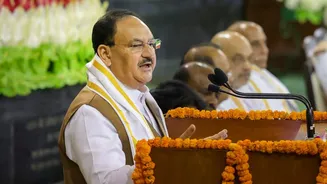
The conversation also touched upon the perceived inaction regarding this growing health crisis, with one comment specifically mentioning the Health Minister's oversight. There's a strong feeling that a comprehensive survey is needed to identify common denominators among those experiencing sudden cardiac events. The post-COVID era has seen a notable increase in heart attack fatalities, adding another layer of concern. The doctor further elaborated on the limitations of widely available tests like ECGs, stress tests, and echo scans, noting their frequent failure to detect serious underlying risks. While more advanced and accurate tests like detailed CT scans and AI-powered analyses exist, their high cost and limited accessibility pose a significant barrier for the majority of the Indian population. Even these advanced methods do not guarantee complete certainty, highlighting that the current system is fundamentally insufficient, demanding regulatory improvements, enhanced methodologies, and groundbreaking new technologies to effectively combat the escalating problem of premature heart disease.