


Betel Leaf and Diabetes
Aishwarya Sakhuja, a television personality diagnosed with type 1 diabetes in 2018, recently brought attention to a peculiar dietary addition suggested
by her nutritionist: the betel leaf, also known as paan. She questioned its inclusion, particularly its role in lowering HbA1c, a key indicator of average blood glucose over three months. Sakhuja highlighted that betel leaves are more than just a cultural tradition; they possess significant medicinal properties recognized in Ayurveda for centuries, with contemporary scientific research now beginning to validate these ancient claims. The HbA1c test provides a crucial three-month snapshot of an individual's blood sugar control, making any dietary adjustments aimed at improving this metric a subject of interest for those managing diabetes. This curiosity led to an inquiry with diabetologist Dr. Vijay Negalur to understand the rationale behind incorporating betel leaves into a diabetic diet and their potential effects on blood sugar regulation.
The Science Behind Betel's Power
Dr. Vijay Negalur sheds light on the biochemical properties of betel leaves that might contribute to their potential benefits for individuals with diabetes. He explains that these leaves are rich in plant compounds exhibiting antioxidant and mild anti-inflammatory characteristics. Emerging research suggests a link between betel leaf consumption and improved glucose metabolism. However, Dr. Negalur emphasizes that any observed reduction in HbA1c levels is likely a synergistic outcome of multiple lifestyle factors. These include adopting a balanced diet, maintaining a healthy weight, engaging in regular physical activity, and consistent monitoring of blood sugar, in addition to any herbal remedies like betel leaves. The key mechanism, he elaborates, involves enhancing insulin sensitivity. When the body's response to insulin is more effective, it can more efficiently utilize glucose from the bloodstream, thereby contributing to better overall blood sugar control.
Safe Consumption for Diabetics
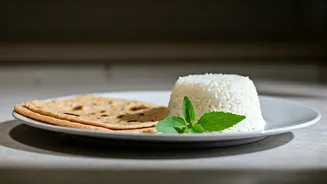
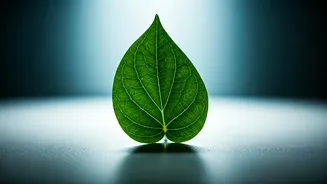
For individuals managing diabetes, the question of safety naturally arises when considering any new dietary intervention. Dr. Negalur reassures that consuming betel leaves is generally considered safe for diabetics, provided they are prepared and consumed in a specific manner. The critical condition is that the leaves must be taken plain, without any added tobacco or supari (areca nut) fillings, which are often associated with traditional paan. These additions can introduce harmful substances and alter the health impact. He recommends that diabetic individuals incorporate plain betel leaves into their diet after meals or opt for drinking water that has been boiled with a betel leaf. This method ensures that the potential benefits of the leaf are harnessed while avoiding the negative health consequences linked to other paan ingredients, making it a potentially useful, albeit supplementary, part of a diabetic management plan.
A Complement, Not a Cure
It is crucial to understand that betel leaves, despite their potential benefits, cannot and should not be considered a replacement for prescribed diabetes medications. Dr. Negalur strongly emphasizes this point, clarifying that while betel leaf can be a beneficial natural remedy integrated into a healthy diet to support blood glucose reduction, it serves as a complementary approach rather than a standalone treatment. The HbA1c test reflects blood sugar averages over a three-month period, and achieving significant reductions within a short timeframe is challenging through any single remedy, natural or pharmaceutical. Therefore, individuals with diabetes must continue their prescribed medication regimen as directed by their healthcare provider. Betel leaves can play a supportive role in a comprehensive management strategy, but they do not negate the necessity of conventional medical treatment for diabetes.