


A Valley's New Dawn
The serene landscape of Pahalgam in April 2026 carries a different atmosphere, a year after a significant event impacted the region. The tourist circuit
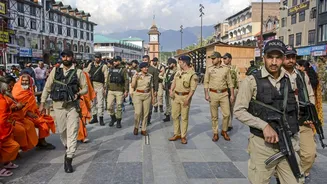
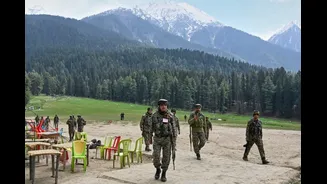
in Jammu and Kashmir is tentatively reawakening, bearing the visible marks of the past year's adversities. Enhanced security measures are a constant reminder, but the true impact is quantified in stark data. Between May 2025 and April 2026, Pahalgam welcomed approximately 4.51 lakh domestic visitors. While this figure might appear substantial for many locales, it signifies a precipitous drop of 65% to 70% from the typical annual influx of 1.5 million travelers. The region is navigating this period with remarkable fortitude, striving to regain its footing in the tourism industry.
Local Livelihoods Tested
For the residents of Pahalgam whose livelihoods are intrinsically linked to the arrival of tourists, the past year has been a relentless test of survival. Md Ashu Darr, a local taxi operator from Sonamarg, shares his perspective on the post-2025 Pahalgam Attack landscape, noting a gradual but perceptible upswing in bookings for Sonamarg and Pahalgam tours. He acknowledges that while the circuit is indeed moving again, the economic recovery for many individuals and businesses will likely be a prolonged process. The path to full resurgence is also obstructed by bureaucratic hurdles and the continued restriction of access to certain popular areas. In Aharbal, for instance, the absence of visitors at the famed waterfall, typically a magnet for thousands, has cast a somber shadow, with local drivers lamenting the prolonged closures of well-loved sites.
Baisaran's Locked Gates
The most significant impediment to Pahalgam's complete tourism recovery lies with its most celebrated natural wonder: Baisaran Valley. Dubbed "Mini Switzerland," this picturesque meadow has remained largely inaccessible since the attack, profoundly impacting local commerce. Gulzar Ahmad, vice president of Taxi Stand Number 1, which manages around 600 cabs, indicated that their business operations have been reduced by approximately 60%. Another local taxi stand, with 250 vehicles, faces similar challenges. The disappointment of tourists, eager to experience the famed meadows but met with closure notices, translates directly into financial hardship. For example, pony owners, who are crucial to the local economy, now earn a mere ₹500 to ₹600 daily, a stark contrast to their earnings during peak seasons, as reported by NDTV Profit.
Pilgrimage's Steadfastness
While leisure tourism grappled with its recovery, the spiritual heart of the Valley served as a beacon of resilience. Ravi Dutt, a retired school teacher who managed a community kitchen during the 2025 Amarnath Yatra, witnessed this unwavering spirit firsthand. He described the experience as both courageous and comforting, observing the determination of people to return to the Valley for the sacred pilgrimage. Lakhs of devotees undertook the journey from Baltal and Pahalgam, resolute in their commitment not to let the events of the past disrupt their annual spiritual observance or diminish their affection for Kashmir. This unwavering faith played a vital role in maintaining a sense of continuity and normalcy.
Bridging Trust with Tech
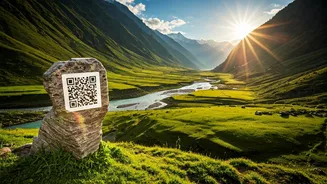
To foster renewed confidence and ensure safety, the Jammu and Kashmir administration has implemented an innovative QR code-based identification system. This technology extends beyond hotels to encompass every individual involved in the tourism ecosystem, including ponywalas, hawkers, and external vendors. By enabling tourists to scan a provider's unique code, the system offers a reliable method for verifying identities and aims to prevent unauthorized individuals from accessing sensitive tourist zones. This initiative represents a proactive step towards rebuilding trust and enhancing the security framework for visitors, ensuring a safer and more transparent experience for all stakeholders.
A Path to Reopening
There is a palpable sense of optimism regarding the future, with authorities anticipating a full reopening of tourist sites. Chief Minister Omar Abdullah informed the J&K Assembly on February 19 that the administration has plans to reactivate all 48 previously restricted locations by May 2026. As of now, 41 of these sites have been gradually made accessible to the public. The remaining seven, which include sensitive areas such as Baisaran, await final security clearances before they can welcome visitors again. As the region gears up for the bustling summer season, the emphasis remains squarely on implementing robust and comprehensive security protocols, with the hope that Pahalgam's beloved "Mini Switzerland" will soon be fully accessible to the world once more.