
Winter's Impact on BP
The winter season presents unique challenges for individuals managing high blood pressure, or hypertension, in India. Colder temperatures can lead to vasoconstriction,
where blood vessels narrow, which, in turn, can cause blood pressure to rise. Furthermore, reduced physical activity and changes in diet, common during winter festivities, can also negatively affect blood pressure levels. These seasonal factors underline the increased importance of regular blood pressure monitoring and proactive health management. Consequently, for those in India, understanding the impact of winter on blood pressure is vital for maintaining cardiovascular health. This awareness helps in creating a more personalized and effective approach to managing hypertension throughout the colder months, making it a crucial component of overall health strategy.
Monitoring Frequency Needed
The frequency with which individuals should check their blood pressure during winter varies depending on their specific health conditions and the recommendations of their healthcare provider. However, a generally accepted guideline is that people with hypertension should monitor their blood pressure more frequently during winter compared to other seasons. The exact number of checks per week or month would ideally be determined by a doctor considering the individual's overall health profile, including the severity of their hypertension, the presence of other medical conditions, and their response to medication. It's crucial for patients to collaborate closely with their doctors to establish a suitable monitoring schedule. This proactive approach ensures early detection of any fluctuations, allowing for timely adjustments to medication, lifestyle changes, or other interventions as needed. Regular monitoring empowers individuals to take control of their health.
Best Practices for Monitoring
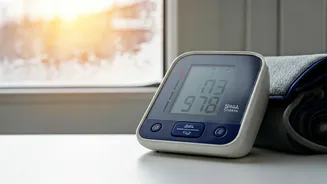
Effective blood pressure monitoring extends beyond mere frequency; it includes employing correct techniques and maintaining a vigilant approach. It's essential to use an accurate, calibrated blood pressure monitor, ideally one that has been validated for home use. The monitoring process should align with the guidelines suggested by healthcare professionals. This typically includes taking readings at the same time each day, before eating or taking medications, and while in a relaxed, seated position, with the arm supported at heart level. Recording readings accurately in a log or a digital tracking system, along with any symptoms or lifestyle changes, is a must. This data should be shared with the healthcare provider during follow-up appointments, providing valuable insights for treatment strategies. Consistent practice and meticulous record-keeping are vital in the effective management of hypertension.
Lifestyle Adjustments for Winter
Along with regular blood pressure monitoring, making specific lifestyle adjustments during the winter months can significantly impact cardiovascular health. Maintaining a healthy diet, rich in fruits, vegetables, and low in sodium, helps in managing blood pressure. Regular physical activity, even in the form of indoor exercises or brisk walks when weather permits, is very important to prevent the adverse impacts of a sedentary lifestyle. Avoiding excessive alcohol consumption and managing stress levels through practices like yoga or meditation are also helpful. Proper clothing to stay warm, especially when venturing outside, is necessary to prevent vasoconstriction triggered by cold temperatures. Implementing these simple yet effective lifestyle changes complements blood pressure monitoring, fostering a holistic approach to cardiovascular health.
When to Seek Advice
Knowing when to seek medical advice is as crucial as regular monitoring and adapting lifestyles. Individuals should contact their doctor or other healthcare providers if their blood pressure readings consistently exceed their target range, or if they notice any unusual symptoms, such as severe headaches, chest pain, vision changes, or shortness of breath. Any significant deviation from their normal blood pressure patterns should also prompt a consultation. It is also important to seek professional guidance if there is any concern about the effectiveness of their current medication or if they need support in managing their lifestyle changes. Early intervention and open communication with healthcare professionals are key components of effective hypertension management, especially during the challenging winter season.