






Ventilation is Key
Regularly airing out your car is perhaps the most straightforward yet often overlooked method for maintaining a fresh interior. When possible, open all
your car windows for at least 15-20 minutes, especially after transporting items that might leave a smell, like groceries or sports equipment. This allows stale air to escape and fresh air to circulate, significantly reducing the buildup of odors. Consider doing this while your car is parked in a safe location. Beyond simply opening windows, making it a habit to ventilate your car a few times a week, or even daily if you use it frequently, can prevent smells from becoming ingrained in the upholstery and carpets. This simple act of allowing natural airflow to work its magic is foundational to keeping your car's interior smelling consistently pleasant and free from mustiness.
Deep Clean Upholstery
The surfaces inside your car, particularly the upholstery and carpets, are prime culprits for absorbing and retaining unpleasant smells. Spills, dirt, and general wear and tear can lead to odors that are difficult to eliminate. To combat this, regular deep cleaning is essential. Invest in appropriate cleaning products specifically designed for car interiors. For fabric seats and carpets, a good quality upholstery cleaner or a mixture of baking soda and water can be highly effective. Apply the cleaner according to the product instructions, ensuring you work it into the fabric. For tougher stains or persistent odors, a steam cleaner can work wonders, penetrating deep into the fibers to lift away grime and neutralize smells. Don't forget to clean the floor mats separately, as they often bear the brunt of dirt and moisture. A thorough, periodic deep clean will go a long way in restoring freshness.
Master Odor Absorbers
Certain common household items possess remarkable odor-absorbing qualities, making them excellent allies in your quest for a fresh-smelling car. Baking soda, renowned for its ability to neutralize smells, can be sprinkled liberally on carpets and upholstery, left overnight, and then vacuumed up. This process effectively draws out lingering odors. Activated charcoal is another highly effective absorbent; you can purchase charcoal bags designed for this purpose and place them discreetly around your car. Coffee grounds, when dried and placed in an open container, can also absorb certain odors while imparting a subtle, pleasant aroma. Even a simple bowl of white vinegar left in the car overnight can absorb strong smells like smoke or pet odors, though it will temporarily impart a vinegar scent that dissipates quickly with ventilation. Utilizing these natural absorbers offers a cost-effective and chemical-free way to tackle persistent smells.
Tackle the AC System
Your car's air conditioning system, while providing comfort, can also become a source of unpleasant odors if not maintained properly. Over time, moisture can build up in the AC vents and ducts, creating a breeding ground for mold and mildew, which then get distributed throughout the cabin whenever the AC or fan is turned on. To address this, consider using specialized AC vent cleaners or sprays that are designed to kill mold and bacteria within the system. These products are typically sprayed into the air intake vents or directly into the vents themselves. Regularly replacing your car's cabin air filter is also crucial; a dirty filter can trap dust, pollen, and odor-causing particles, recirculating them back into the cabin. Checking and cleaning the AC system periodically ensures that the air you breathe inside your car remains clean and fresh.
Clean Out Trash
It might seem obvious, but consistently removing all trash and debris from your car is a fundamental step in preventing bad odors. Food remnants, discarded wrappers, and other waste items can quickly start to smell, especially in warm weather. Make it a habit to perform a quick clean-out of your car every few days, removing any rubbish that has accumulated. Pay special attention to cup holders, door pockets, and the center console, as these are common spots for small items to be left behind. Regular emptying of your car's main trash receptacle, if you have one, is also vital. This simple, consistent practice prevents the buildup of odor-causing organic matter, contributing significantly to a fresher smelling environment inside your vehicle. Don't underestimate the power of a clean interior free from forgotten waste.
Utilize Air Fresheners Wisely
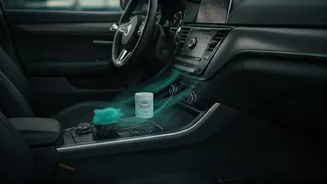
While air fresheners can mask odors, their effective use goes beyond simply hanging a scented tree. Choose fresheners that offer odor-neutralizing properties in addition to a pleasant scent, rather than just covering up unpleasant smells. Consider different types: vent clips, under-seat options, or sprays. For a more natural approach, essential oil diffusers designed for cars can provide a subtle and customizable fragrance. However, it's crucial not to rely solely on air fresheners. They are most effective when used in conjunction with regular cleaning and odor elimination techniques. Overpowering scents can sometimes be more off-putting than the original odor. Aim for a light, fresh scent that complements a clean interior, rather than a strong perfume that attempts to mask underlying issues. Strategic placement can also enhance their effectiveness without being overwhelming.
Address Spills Immediately
The key to preventing persistent odors from spills is rapid and thorough action. Whether it's coffee, soda, milk, or any other liquid, acting quickly before the spill has a chance to soak in and dry is paramount. Blot up as much of the liquid as possible with clean cloths or paper towels. Avoid rubbing, as this can spread the stain and push the liquid deeper into the fabric. Once the excess is removed, use an appropriate cleaner – a mixture of mild soap and water, a dedicated automotive interior cleaner, or a specialized stain remover – to treat the affected area. For tough stains or odors, a baking soda paste or an enzyme-based cleaner can be highly effective in breaking down odor-causing molecules. Ensure the area dries completely to prevent mildew growth. Addressing spills promptly is a proactive measure that saves you from dealing with much harder-to-remove odors later.