







Choosing The Wrong EV
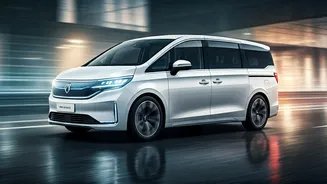
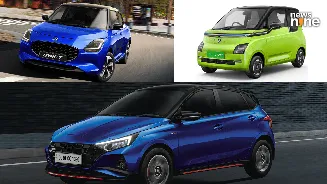
A significant pitfall for many first-time electric vehicle purchasers is selecting a model that doesn't align with their actual day-to-day requirements.
The allure of cutting-edge design or a prestigious brand can often overshadow practical considerations. It's crucial to assess your typical driving patterns – primarily city commuting versus frequent long-distance travel. Different EVs are engineered with distinct purposes in mind; some excel in urban agility, while others are built for sustained highway performance. Therefore, making a choice based solely on aesthetics or manufacturer reputation, without a thorough evaluation of your personal usage needs and travel habits, is a common mistake that can lead to ongoing dissatisfaction.
Ignoring Charging Realities
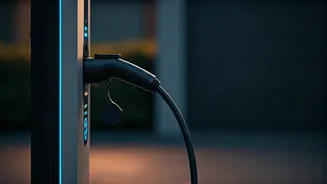
Many new EV buyers underestimate the importance and implications of charging infrastructure and the time involved. Relying solely on the manufacturer's stated range without considering the availability of charging points in your vicinity or along your regular routes is a recipe for inconvenience. Establishing a reliable home charging solution or confirming access to public charging stations is paramount. Furthermore, understanding that charging an EV takes considerably longer than refueling a traditional internal combustion engine vehicle is essential. While fast chargers offer a quicker solution, their accessibility isn't universal. Buyers must be realistic about charging durations for both home and public stations to avoid daily frustration and ensure seamless integration into their lifestyle.
Misjudging Battery Life & Warranty
The battery is undeniably the most valuable and costly component of an electric vehicle. A frequent oversight among first-time buyers is neglecting to thoroughly investigate the battery's warranty coverage, its expected lifespan, and the potential cost of eventual replacement. Simply assuming the battery will last indefinitely is a risky approach. It is imperative to scrutinize the warranty terms, understanding what conditions are covered and for how long. Additionally, researching the typical degradation rate of EV batteries over time and obtaining an estimate for replacement costs will provide a clearer picture of long-term financial responsibility and help prevent unexpected expenses.
Overlooking Real-World Range
A common error in the EV buying process is placing excessive faith in the advertised range figures. These official numbers are often achieved under ideal laboratory conditions and rarely reflect the reality of daily driving. Factors such as your driving style, the prevailing traffic conditions, ambient weather, and the usage of climate control systems (like air conditioning) can significantly impact how far an EV can travel on a single charge. To gain a more accurate understanding, it's highly recommended to consult real-world user reviews and, most importantly, take extended test drives that simulate your typical driving scenarios before making a final purchasing decision.
Skipping Total Cost Analysis
While electric vehicles may present a higher initial purchase price compared to conventional cars, they offer substantial long-term savings. However, many buyers fail to conduct a comprehensive total cost of ownership calculation. This oversight can lead to a skewed perception of the financial benefits. A thorough evaluation should encompass not just the upfront vehicle cost, but also recurring expenses such as electricity for charging, routine maintenance, insurance premiums, and the eventual cost of battery replacement. By meticulously calculating all these elements, prospective owners can gain an accurate understanding of the true financial commitment and long-term value proposition of owning an EV.