
Tiger's Roar & More
Ranthambore National Park is, without a doubt, a premier destination for witnessing the magnificent Bengal tiger in its natural habitat. The park’s commitment
to conservation has significantly bolstered the tiger population, making sightings more frequent. Beyond tigers, the park is home to a rich variety of wildlife, including leopards, sloth bears, various species of deer, and a diverse range of birdlife. This thriving ecosystem makes every safari a unique experience, with the potential to spot a myriad of creatures. Moreover, the park's varied terrain, encompassing rocky hills, dense forests, and serene lakes, adds to the thrill of wildlife viewing. This combination creates an unparalleled setting for wildlife photography and a chance to experience the raw beauty of nature, providing an all-encompassing wildlife experience.
Untamed Biodiversity Showcase
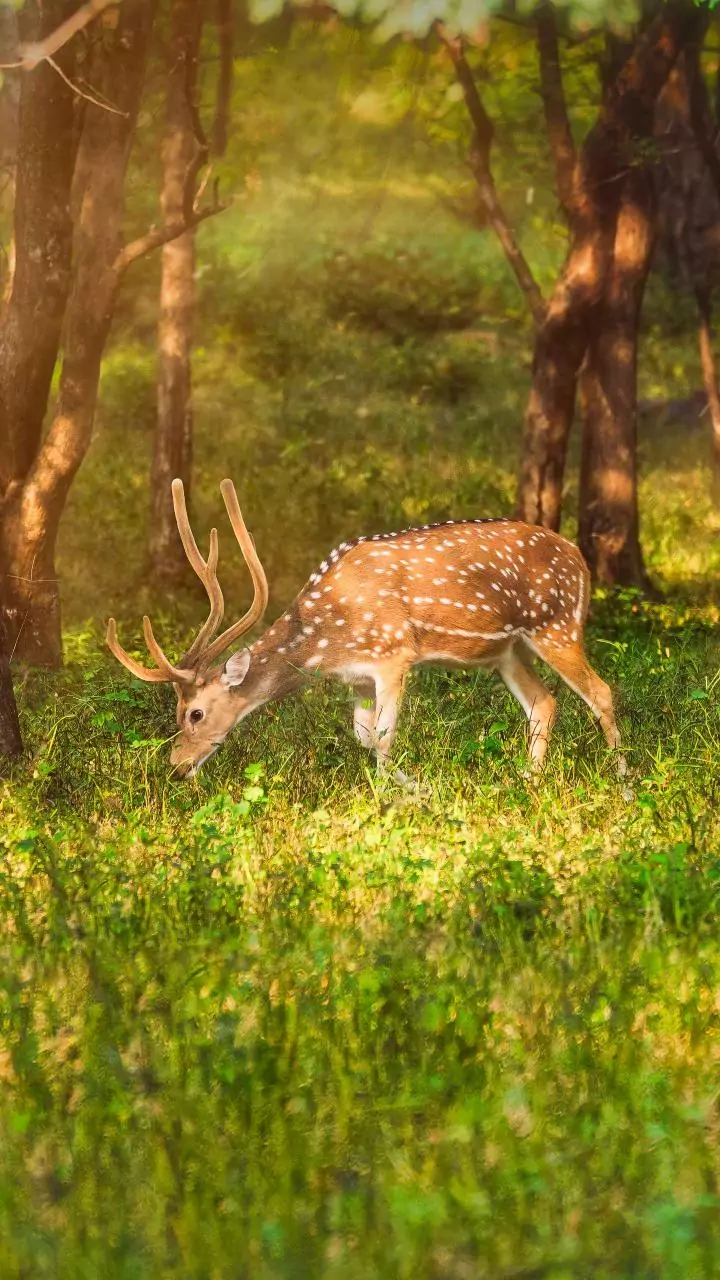
Ranthambore's biodiversity extends far beyond its iconic tigers. The park is a sanctuary for a remarkable array of species, ensuring there's something to captivate every nature enthusiast. Several species of deer, like sambar and chital, gracefully roam the grasslands and forests. Leopards, though more elusive, add to the excitement of the safari. The park’s birdlife is equally impressive, with numerous migratory and resident species adding vibrant colours to the landscape. In the lakes and water bodies, one can spot crocodiles and various species of aquatic birds. This rich biodiversity makes Ranthambore an important ecological site, contributing significantly to conservation efforts. This variety of life enhances the overall experience of the safari, turning each visit into an enriching educational journey where you can encounter the diverse wildlife of the region.
Immersive Safari Adventures
Safari experiences in Ranthambore are designed to immerse visitors in the heart of nature. Jeep safaris and canter safaris are the primary methods for exploring the park, each offering a unique perspective. The Jeep safaris, with their open-top design, provide a closer encounter with the surroundings, ideal for photography and detailed observation. The canter safaris, larger and more accommodating, are suitable for groups and families. Both types of safaris are carefully structured to minimize disruption to the wildlife while maximizing the chances of sightings. The timings of the safaris are strategically planned, with early morning and late afternoon slots providing the best opportunities for wildlife viewing. With each safari, visitors are accompanied by experienced guides who provide insights into the behavior of the animals and the ecosystems they inhabit, elevating the experience and ensuring every journey is educational.
Historical Fort Charm
Ranthambore Fort, a UNESCO World Heritage site, adds a historical dimension to the wildlife experience. The fort, which dates back to the 10th century, stands majestically within the national park, offering breathtaking views and a glimpse into the region's rich past. The fort's strategic location played a crucial role in regional history, and its ruins provide a fascinating backdrop to the wildlife scenery. Visitors can explore the fort and discover various historical structures, including temples and other architectural remains. The blend of wildlife and historical sites is a distinctive feature of Ranthambore, creating a unique attraction that merges nature and history. The fort also offers panoramic views of the park, adding another dimension to the overall experience and providing a unique perspective on the region's natural beauty.
Sustainable Travel Planning
To make the most of your trip to Ranthambore, planning is key, focusing on sustainable travel practices. The best time to visit is during the cooler months, from October to April, when the weather is favorable for safaris. It is important to book accommodations and safari permits in advance, particularly during peak season. Selecting eco-friendly accommodations and supporting local businesses will help minimize environmental impact. Travelers should adhere to park guidelines, maintain a safe distance from wildlife, and avoid littering. Bringing reusable water bottles and other items will reduce waste. By adopting these sustainable practices, travelers can ensure that their visit to Ranthambore is both enjoyable and contributes to the long-term conservation of the park's natural resources and wildlife, protecting this exceptional ecosystem for future generations to cherish.