




French Onion Soup
French Onion Soup, a classic culinary staple, originates from France and is known for its rich, caramelized onion broth. The preparation involves slowly
caramelizing onions to achieve a deep, savory flavor, which forms the base of the soup. The broth is often enriched with beef stock and seasoned with herbs, typically thyme or bay leaf. A critical element is the topping, usually a thick slice of toasted bread, covered in melted Gruyère cheese, which adds a creamy, comforting layer. The soup’s history traces back to the 18th century, with variations and improvements by chefs across France. Its simplicity, combined with robust flavors, makes it a timeless favorite, perfect for a chilly evening or as a gourmet appetizer. The key to its deliciousness lies in the slow cooking, allowing the onions' natural sweetness to fully develop and integrate with the other ingredients, creating a harmonious and deeply satisfying experience.
Tom Yum Soup
Hailing from Thailand, Tom Yum soup is celebrated for its distinctive balance of sour, spicy, and savory flavors. The heart of this soup lies in its aromatic broth, frequently made with galangal, lemongrass, kaffir lime leaves, chilies, and fish sauce. These ingredients deliver a complex and invigorating taste profile. The soup typically contains shrimp, mushrooms, and often, tomatoes, which add depth and texture. The 'Tom' refers to the boiling process, while 'Yum' denotes the spicy and sour elements. Variations abound, including Tom Yum Goong (with shrimp) and Tom Yum Pla (with fish). This soup is a staple in Thai cuisine, reflecting the country's love for fresh, bold flavors. It represents an intricate blend of culinary art and is considered a symbol of Thai identity. The authentic taste of Tom Yum soup comes from using fresh herbs and spices, which produce a fragrant and flavorful broth that invigorates the senses.
Ramen's Diverse Forms
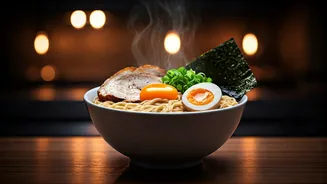
Ramen, originating in Japan, is a noodle soup with diverse regional styles and variations. The basic elements include wheat noodles, a flavorful broth (often made with pork or chicken bones), and various toppings. The broth is key, with varieties such as tonkotsu (pork bone broth), shoyu (soy sauce-based broth), and miso (fermented soybean paste broth). Toppings vary, including chashu pork, marinated eggs, nori seaweed, and bamboo shoots. Each region of Japan boasts its unique version, reflecting local ingredients and preferences. For instance, Hakata ramen, known for its rich tonkotsu broth, is a staple of Fukuoka, while Sapporo ramen features miso-based broths. Ramen's popularity has spread globally, inspiring countless adaptations and innovations. This dish is not just a meal; it is a cultural phenomenon, evolving and adapting while maintaining its deep roots and the appeal of its delicious and satisfying qualities.
Gazpacho's Spanish Origins
Gazpacho, a refreshing cold soup from Spain, is a testament to simple, fresh ingredients. It's primarily made from raw vegetables: tomatoes, cucumbers, bell peppers, onions, and garlic. These are blended into a smooth, vibrant concoction. Typically, olive oil, sherry vinegar, and water (or ice) are added to achieve the desired consistency and flavor balance. Gazpacho's roots lie in the hot summers of Andalusia, where it originated as a way to use up surplus vegetables. Its popularity grew as it became a staple dish during the warm season, celebrated for its refreshing qualities. Variations of Gazpacho exist, with some recipes including bread to thicken the soup or different types of peppers and garnishes to add various levels of complexity. This dish showcases the importance of regional cuisine, offering a culinary reflection of its geographical location and the resources available in the area.
Minestrone's Italian Heart
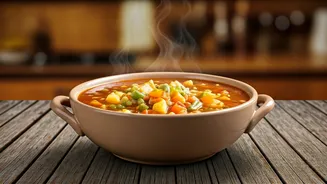
Minestrone, a hearty vegetable soup from Italy, is a testament to Italian culinary traditions. It features a rich blend of vegetables, beans, and pasta, simmered in a flavorful broth. Common ingredients include tomatoes, carrots, celery, beans (such as cannellini), and small pasta shapes. Variations abound based on region and season, with chefs often using available fresh produce. The key to a great minestrone is the balance of flavors and textures, ensuring that each ingredient complements the others. It's a comforting and nutritious dish, often served as a starter or a light meal. The soup's origins trace back to peasant cuisine, demonstrating a resourceful use of seasonal ingredients. Minestrone is a culinary symbol of Italian culture and is enjoyed globally for its simplicity and the ability to combine various fresh flavors into one dish.
Pho's Vietnamese Roots
Pho, a Vietnamese noodle soup, is celebrated for its fragrant broth, tender rice noodles, and array of toppings. Typically, the broth is prepared by slowly simmering beef bones with star anise, cinnamon, cloves, and ginger. These spices infuse the broth with a warm, complex aroma. Thin rice noodles are added, along with slices of beef (or sometimes chicken), onions, and cilantro. Condiments like hoisin sauce, sriracha, and lime wedges are provided to customize the flavors. Pho's origins are believed to be in the early 20th century in northern Vietnam, becoming a national dish as it evolved over time. Its popularity has grown globally, with numerous variations reflecting local preferences. The essence of Pho is its balance of flavors and textures and the harmonious blend of herbs and spices that create an unforgettable taste experience, reflecting the essence of Vietnamese culinary traditions.
Borscht's Eastern Europe
Borscht, a beetroot soup, is an iconic dish with origins in Eastern Europe, particularly associated with Ukraine, Poland, and Russia. The central ingredient, beetroot, gives the soup its characteristic deep red color and earthy sweetness. It usually contains various vegetables, such as cabbage, potatoes, carrots, and onions, and the soup's flavor profile is often enhanced with tomatoes or tomato paste. Depending on the region, borscht may be vegetarian or include meat, such as beef. Sour cream or dill is frequently added to garnish, adding a tangy contrast to the sweetness of the beetroot. It has historical roots, often symbolizing comfort and community. The recipe reflects each region's cultural heritage. Borscht is not only a nutritious meal but also a significant part of the culinary identities of the people of Eastern Europe.
Laksa's Malaysian Delight
Laksa, a spicy noodle soup, is a cornerstone of Malaysian and Singaporean cuisine. It features a rich, flavorful broth, often coconut milk-based, with noodles, seafood, and vegetables. The broth gains its depth from a blend of spices and aromatics, including chilies, lemongrass, galangal, and shrimp paste. Common variations include curry laksa (with curry-infused broth) and asam laksa (with a sour, tamarind-based broth). Other ingredients typically include tofu puffs, shrimp, cockles, and bean sprouts. It is a symbol of multiculturalism, reflecting the blend of influences from Malay, Chinese, and Indian cultures. Its preparation varies across regions and each version highlights the chef's individual creative expression and understanding of regional flavors. Laksa is more than just a soup; it is a complex tapestry of tastes and aromas that represents the culinary spirit of Southeast Asia.
Miso Soup's Japanese Simplicity
Miso soup, a traditional Japanese soup, is known for its simplicity and health benefits. The base consists of dashi (a broth made from kombu seaweed and dried fish flakes) and miso paste (fermented soybean paste). The selection of the miso paste heavily influences the flavor; different varieties offer varying levels of saltiness and umami. It often contains tofu, seaweed (such as wakame), and green onions, providing a delightful combination of textures. Miso soup holds a central place in Japanese culinary culture, often served as a side dish alongside meals. It offers a balance of flavors and is associated with digestive health due to the probiotics found in miso. This dish embodies the Japanese emphasis on fresh, natural ingredients, and it's a testament to the country's centuries-old culinary traditions, making it a daily staple and a culinary symbol.
Avgolemono's Greek Zest
Avgolemono, a Greek soup, combines the refreshing flavors of lemon with the richness of eggs and broth, offering a creamy yet light texture. It typically begins with a chicken or vegetable broth, which serves as its base. Rice or orzo pasta is usually added to enhance the texture and substance of the soup. The signature element is the egg-lemon sauce, which is slowly whisked into the hot broth to create a creamy, emulsified texture without curdling. The zest of lemon is another crucial component, giving the soup its distinctive tartness and fragrance. Avgolemono is served warm and is often a traditional dish during festive occasions or celebrations in Greece. Its delicate balance of acidity, richness, and simplicity makes it a favorite in Greek cuisine, celebrated for its unique flavor profile, and is a significant part of Greek culinary heritage.