





Orders Vanish Overnight
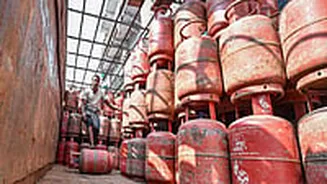
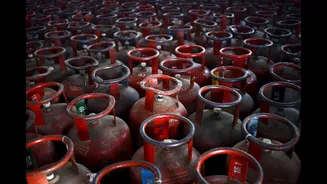
Thousands of food delivery partners in Pune are experiencing a severe downturn in their daily income due to a critical shortage of commercial Liquefied
Petroleum Gas (LPG). This scarcity has compelled numerous restaurants and eateries across the city to either cease operations entirely or drastically reduce their capacity. Consequently, the volume of delivery orders available on popular platforms like Swiggy and Zomato has plummeted. For delivery personnel, who are compensated on a per-order basis, this directly translates to a substantial loss of take-home pay, with no safety net. For instance, one delivery partner, Parshuram Kamble, reported a drop in his daily orders from around 32 to just 13-15 within a 12-hour shift, leading to his earnings falling from approximately Rs 1,600 to Rs 600. This situation poses a significant financial strain, potentially forcing individuals to consider returning to their native villages if the shortage persists.
Restaurants Scale Back
The commercial LPG shortage is forcing a widespread operational slowdown among food establishments in Pune. Many smaller eateries, bakeries, and snack vendors have been compelled to close their doors, while larger establishments are functioning at roughly half their usual capacity. To manage their dwindling gas supplies, restaurants are strategically removing slow-cooked dishes from their menus, as these require continuous gas consumption. Furthermore, menu items like naan and roti, traditionally prepared in gas-fired tandoors, are also becoming difficult to offer due to the inconsistent gas availability. Even established hotels and larger restaurants are beginning to feel the pressure, with some customer orders going unfulfilled because their kitchens are unable to cope with the limitations. Industry representatives warn that without a fresh influx of LPG, many kitchens could face a complete depletion of their gas reserves within a matter of days, exacerbating the current crisis.
Human Cost of Crisis
The economic fallout from the LPG shortage is hitting food delivery partners particularly hard, as their income is directly tied to the number of orders they complete. Unlike employees with a fixed salary, these platform workers lack a fallback mechanism when orders dry up. Many of these individuals are the sole breadwinners for their families, often residing in rural parts of Maharashtra, including Vidarbha, Marathwada, and Kolhapur. Even a few days of significantly reduced work can create considerable financial pressure on their households back home. Delivery partners like Lucky Ade have seen their daily earnings drop from around Rs 1,800 to Rs 850, having to work longer hours for fewer orders. Sagar Deokar highlighted the dependency of his family, including young children, on his income, expressing concern over their school fees. Some partners also point to an uneven distribution of orders on the delivery platforms, advocating for greater parity in how work is allocated among all delivery personnel.