
Unveiling the Secret
The secret to transforming your home lies in focusing on the power of cohesive design. A well-designed home is more than just individual items; it's a carefully
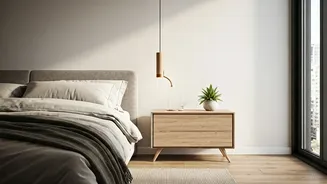
curated ensemble where every element works harmoniously. This involves considering the interplay of colors, textures, and the overall ambiance you wish to create. Think of it like a puzzle. Each piece, be it a sofa, a painting, or a rug, plays a vital role. When these pieces connect, they produce a comprehensive, aesthetically appealing image. You must consider the feeling you want to generate. Do you prefer a calm, peaceful vibe or a vibrant, energetic one? Choosing a consistent style is important in achieving a sense of balance. This might mean sticking with a minimalist theme or possibly selecting a more eclectic mix. The main thing is to have a direction so your home looks organized and refined.
Color Coordination Matters
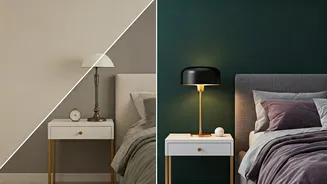
Color selection is one of the most impactful elements in home decor. It can instantly change the mood and feel of a space. Start by creating a color scheme. A popular approach is the 60-30-10 rule. This means using a primary color for 60% of the room, a secondary color for 30%, and an accent color for the final 10%. Consider the impact of color on your emotions. For example, blues and greens are often connected to tranquility, while reds and oranges can inspire excitement. Consider your home's natural light. Lighter colors can make a space feel bigger and brighter, while darker colors can create a cozy atmosphere. Test paint colors before committing. Get samples and put them on your walls to see how they look at various times of the day. This helps you avoid unexpected surprises and lets you make confident choices. When picking furniture and decor, stick to your chosen color palette. This helps create a unified and harmonious look, making your rooms more appealing.
Textural Variety Explained
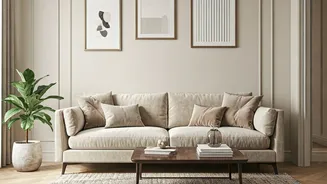
Texture is an essential element that brings depth and interest to any room. It prevents a space from appearing flat or dull. Layering different textures adds visual appeal and makes a room feel more inviting. Start with the foundation: consider the textures of your walls and floors. Smooth walls can be balanced with textured rugs or a statement wallpaper. Mix hard and soft textures. Combine the smooth surface of a wooden table with soft, plush cushions. This adds interest and balance. Don't be afraid to experiment with materials like velvet, linen, cotton, and wood. Use these in your decor. Throw blankets, pillows, and curtains are easy ways to inject texture. Vary the textures within your chosen color palette. For example, use a chunky knit throw on a smooth leather sofa. This contrast adds richness and visual interest. Pay attention to how different textures interact under various lighting conditions. This includes both natural and artificial light. It can highlight the textures and add further depth to your decor.
Strategic Furniture Placement
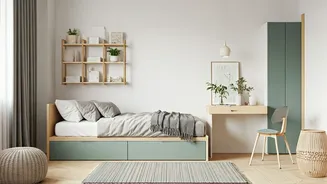
The positioning of furniture significantly impacts the flow and feel of your home. It can make a space feel spacious, or cluttered. Consider the function of each room when deciding on furniture placement. In a living room, arrange furniture to encourage conversation, perhaps with sofas and chairs facing each other. In the dining room, ensure there's enough room around the table for easy movement. Scale is key: choose furniture that's appropriate for the size of your space. Overly large furniture can make a room feel cramped, while too-small pieces can get lost. Use furniture to define zones within open-plan spaces. A sofa can separate a living area from a dining area. Place your furniture to maximize natural light. Position seating near windows to capitalize on sunlight. Ensure there's enough space to walk between furniture pieces. You want the layout to be functional and easy to move around. Allow for pathways between furniture items to maintain flow and ease of use in your rooms.
Lighting: Setting the Mood
Lighting is a cornerstone of home decor. It affects the mood and function of any space. A layered lighting scheme combines different light sources for optimal illumination. Include ambient, task, and accent lighting. Ambient lighting provides overall illumination, task lighting is directed towards specific activities, and accent lighting highlights decor. Use a variety of light fixtures. Incorporate overhead lights, such as chandeliers or recessed lighting. Add table lamps and floor lamps for softer, localized light. Accent lighting can be achieved through spotlights. You can highlight artwork or architectural features. Control the lighting through dimmers and smart home devices. This allows you to adjust the light levels based on your needs and mood. Combine natural and artificial light. Maximize the use of natural light during the day. This will improve the atmosphere. Artificial lighting can supplement natural light in the evening. Consider the color temperature of your light bulbs. Warm white light creates a cozy atmosphere, while cooler light is better for task-oriented areas. Lighting should always compliment the colors, textures, and furniture in a space.