




The Tiffin Tussle
A viral video has thrust the contents of children's tiffins into the spotlight, sparking widespread concern. The video highlighted a trend of parents packing
lunchboxes with processed foods like chips and instant noodles. This prompted immediate backlash, leading to a much larger conversation centered on the adverse effects such choices could have on children’s health. Parents, experts, and the general public engaged in a lively discussion, questioning the nutritional value provided by these food choices and the long-term impact on the health of the children. It brought the focus on the urgency of shifting towards healthier options in children’s diets. The debate highlighted the significance of making informed decisions about children's food choices, emphasizing the need for well-balanced and nutritious meals in their daily routines.
Health Implications Explored
The consumption of processed foods, often found in children’s tiffins, carries a range of potential health risks. These foods are generally high in sodium, unhealthy fats, and added sugars, while often lacking in essential nutrients like vitamins, minerals, and fiber. Regular intake of such items is associated with increased risks of childhood obesity, type 2 diabetes, and cardiovascular diseases. Furthermore, the lack of nutritional value in these foods can hinder children's physical and cognitive development, impacting their performance in school and their overall well-being. The emphasis is on adopting a diet that favors fresh, whole foods to improve health. Parents are advised to minimize or eliminate processed foods to promote a healthy lifestyle for their children.
Better Tiffin Choices
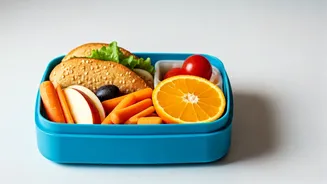
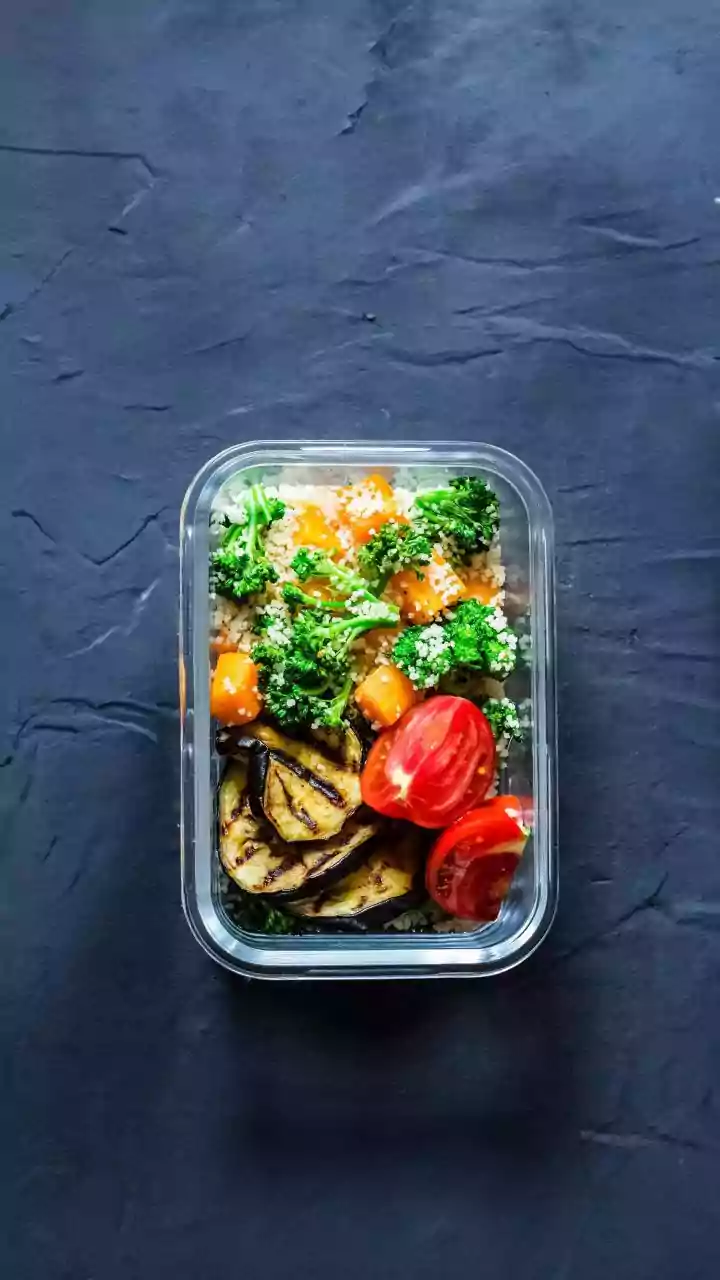
Parents can take several steps to make sure their children's tiffins are healthier. Instead of chips and packaged snacks, fruits and vegetables offer a nutrient-dense alternative, providing essential vitamins and minerals while keeping children full. Incorporating whole grains like whole-wheat bread or rotis provides sustained energy. Including protein sources such as lean meats, eggs, or beans contributes to muscle growth and satiety. Limiting sugary drinks and opting for water, milk, or freshly squeezed juices is essential to prevent excess sugar intake. By making these changes, parents can create tiffins that support their children's physical health, cognitive development, and overall well-being, laying the foundation for a healthy future. Focusing on balanced meals with a variety of food groups ensures the children get a proper intake of nutrients.
Expert Guidance Offered
To address concerns surrounding children's tiffin contents, experts have provided numerous recommendations. Nutritionists and pediatricians advocate for the inclusion of a wide range of colorful fruits and vegetables, which deliver essential vitamins, minerals, and fiber. They advise selecting whole-grain options over refined ones, as these release energy gradually and keep children full for longer. Including lean protein sources, such as chicken, fish, beans, or lentils, is also crucial for muscle development and satiety. Experts strongly recommend staying away from sugary drinks like sodas and fruit juices, advising parents to prioritize water or milk. Regular consultation with dieticians helps parents understand their children's nutritional needs and design healthy meal plans. Adhering to these expert suggestions will contribute to the holistic health and development of children.