


A Taste of Bengal in NY
The Culinary Institute of America (CIA) in Hyde Park, New York, recently became a vibrant hub for authentic Bengali flavors. A special three-day food festival
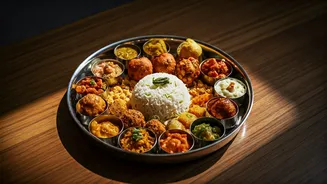
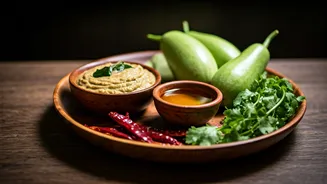
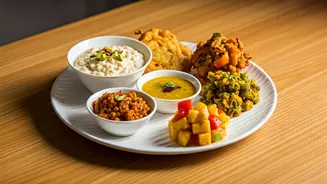
offered students, faculty, and guests an immersive experience into the heart of Bengali cuisine. The event prominently featured iconic ingredients such as pungent mustard oil, nutty poppy seeds (posto), and versatile pointed gourd (potol), showcasing them in a curated menu that included beloved dishes like Shukto, Chingri Malaikari, Kosha Mangsho, and the sweet delight, Mishti Doi. This festival served as a significant platform to introduce the intricate and diverse culinary traditions of Bengal to a global audience, fostering a deeper understanding and appreciation for its unique gastronomic landscape.
Chef Brar's Culinary Vision
Chef Ranveer Brar, a pivotal figure in curating this Bengali food festival, expressed his enthusiasm for introducing Bengali cuisine to an international audience. He described Bengali food as a captivating fusion of diverse flavors, textures, and aromas, emphasizing that each dish tells a story reflecting Bengal's rich history, culture, and people. Working alongside a dedicated team of chefs from India, Chef Brar collaborated closely with CIA students. Together, they meticulously recreated the authentic essence of Bengali dishes, imparting valuable knowledge on the subtle techniques of tempering spices and specific cooking methods crucial for each preparation. The students gained insights into the importance of core ingredients like mustard oil, a staple in Bengali households, and posto, a versatile ingredient used across various dishes, from savory curries to sweet confections.
Student Discoveries & Delights
The unique characteristics of Bengali ingredients deeply fascinated the students. Sarah Miller, a CIA student, shared her intrigue with the distinct, unfamiliar flavor profile of mustard oil. She also expressed surprise at the delightful versatility of posto, noting her newfound appreciation for poppy seeds in culinary applications. Fellow student David Lee was particularly impressed by the vegetarian offerings, calling Shukto a 'revelation.' He lauded its complex combination of vegetables and the delicate balance of flavors, expressing his intent to replicate the dish at home. The festival extended to a session on Bengali sweets, where students learned to prepare traditional favorites like Roshogolla and Sandesh, whose sweet, milky profiles left a memorable impression on all attendees.
Cultural Exchange Through Food
Beyond the culinary aspects, Chef Brar highlighted the festival's broader purpose as an experience of cultural sharing. He emphasized the importance of conveying Bengali traditions and the passion for food to others. The joy witnessed on the faces of students and guests as they savored Bengali delicacies was the most rewarding outcome for him. The Bengali food festival at the CIA was a resounding success, leaving a trail of delighted palates and a newfound respect for the vast and delicious world of Bengali cuisine. It powerfully demonstrated how food serves as a potent medium for bridging cultural divides and forging unforgettable experiences.
Hands-On Bengali Kitchen
A group of students from the Culinary Institute of America found immense joy and learning in a Bengali kitchen environment, engaging in practical cooking sessions. They delved into preparing dishes like Doodh Potol, where pointed gourd is cooked in a rich milk gravy, and Betki Paturi, a delicate dish of fish steamed in banana leaves. This hands-on experience allowed them to connect directly with the ingredients and techniques. The article notes that these students were remarkably open to embracing new culinary experiences, including eating with their hands, course by course, a traditional way of enjoying meals. This willingness to step outside their comfort zones and engage fully with the culture underscored the success of the exchange.
Ingredients and Enthusiasm
The students' immersion into Bengali cuisine began with an introduction to the historical context of Bengali food, distinguishing between East Bengali (Baangal) and West Bengali (Ghoti) cuisines, and exploring the cultural and geographical influences shaping them. Their senses were actively engaged by a spectrum of traditional Bengali ingredients, including the pungent mustard oil, aromatic ghee, five-spice blend (panch phoron), poppy seeds (posto), mustard seeds (shorshe), celery seeds (radhuni), and the fragrant gondhoraj lime. The unique aroma of mustard oil and ghee, considered comforting in Bengali households, proved to be a potent sensory experience for some students. The introduction to new vegetables, particularly Bengal's favorite, potol (pointed gourd), was also a significant part of their learning journey.
A Tolerance for Tastes
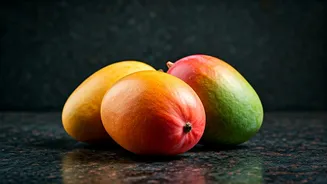
During the cooking sessions, the students tackled dishes like Aloo Posto (potatoes with poppy seeds), Doodh Potol, Saag Begun (sautéed spinach and brinjal), Tauk Dal with green mango, Betki Paturi, tomato chutney, Kosha Maangsho (mutton curry), and Shorshe Phulkopi (mustard cauliflower), culminating with Bengali desserts. What stood out was their remarkable eagerness to try novel ingredients without complaint, even with dietary restrictions like lactose intolerance, prawn allergies, or a dislike for mustard. Their camaraderie and open-mindedness were evident as the food was thoroughly enjoyed. In a world often marked by dietary and cultural intolerance, the students' approach offered a hopeful example of appreciation for diverse tastes and culinary styles.
Bourdain's Legacy and Hope
The article draws a parallel to the philosophy of the late Anthony Bourdain, who famously advocated for immersing oneself in local cultures by eating with locals and learning from them. This sentiment is deeply reinforced by the annual sessions with CIA students, organized by Breakaway India. These interactions consistently highlight the existence of individuals eager to learn and appreciate different cultures and their cuisines. The experience with the CIA students serves as a powerful reminder that despite global complexities, there are always people willing to embrace diversity and expand their horizons, fostering a sense of optimism for cross-cultural understanding and connection through shared culinary experiences.