







Platform Heads Invited
A significant development in the ongoing debate surrounding online child safety has seen US senators extending invitations to the chief executive officers
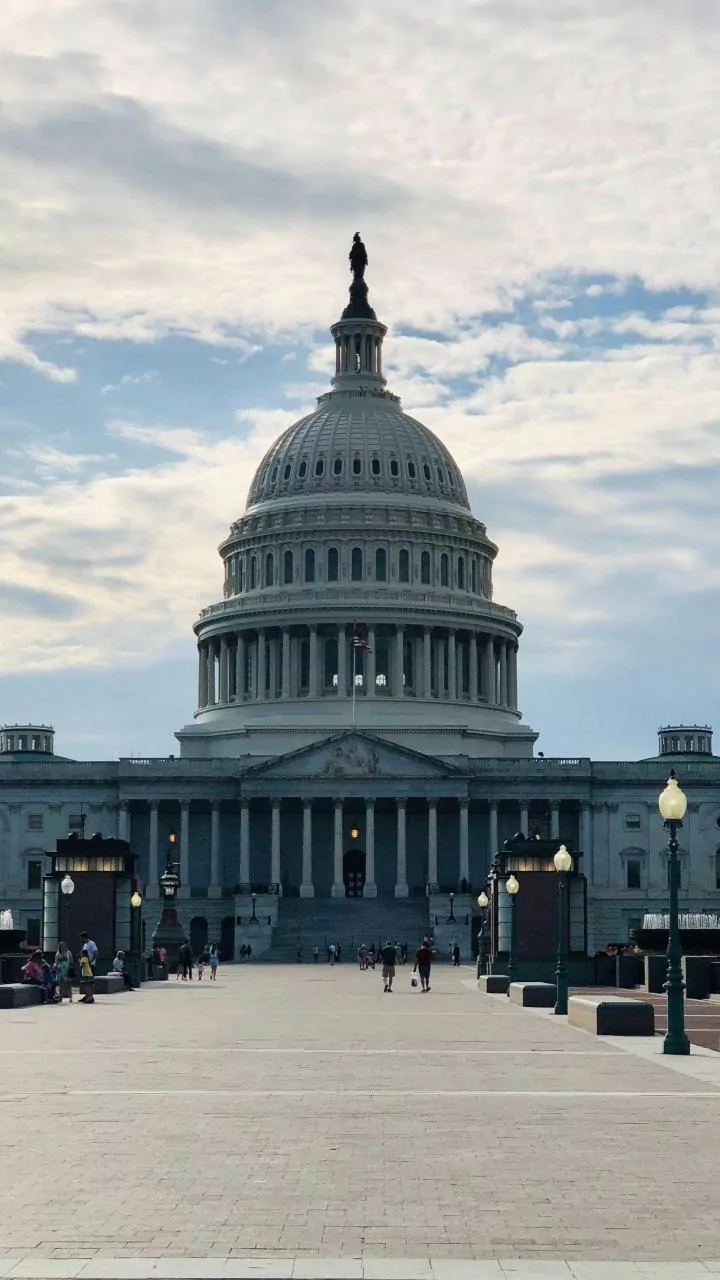
of prominent social media companies, including Meta, Alphabet, TikTok, and Snap. This move by the Senate Judiciary Committee, spearheaded by Republican Chairman Chuck Grassley, signals a renewed and intensified legislative push to hold these technology giants accountable for the welfare of their younger user base. The invitation, formally extended, aims to bring figures like Mark Zuckerberg, Sundar Pichai, Shou Zi Chew, and Evan Spiegel to Capitol Hill to publicly address concerns that have been mounting for some time. The senators are keen to probe the executives on the intricate ways their platforms affect the mental health and overall safety of children and adolescents, pushing for greater transparency and proactive measures to mitigate potential harms. This invitation is not merely a formality; it represents a critical juncture where the legislative branch seeks direct engagement with the leaders of industries that profoundly shape the digital experiences of young people globally.
Legislative Efforts Intensify
The call for tech CEOs to testify is part of a broader, escalating effort by US lawmakers to establish greater accountability for social media platforms concerning minors. Members of the Senate Judiciary Committee, such as Marsha Blackburn and Richard Blumenthal, are actively championing legislative initiatives designed to compel these companies to shoulder more responsibility for the consequences their applications have on young users. This push for federal regulation comes as comprehensive social media legislation has, to date, eluded passage in Congress, leading many states to pursue their own legal frameworks. Statistics reveal that at least 20 states enacted new laws concerning social media use and children in the past year, as tracked by the National Conference of State Legislatures. This state-level action underscores a widespread legislative concern that the federal government has yet to adequately address, prompting a patchwork of regulations across the nation and highlighting the persistent gap between technological advancement and its legal governance, particularly regarding the vulnerable youth demographic.
Legal Battles and Settlements
Beyond legislative actions, the major social media corporations are entangled in a multitude of legal challenges, with thousands of lawsuits filed in California alone. These suits broadly accuse platforms like Meta, Alphabet’s Google, TikTok, and Snap of intentionally designing addictive digital environments that detrimentally affect children's mental well-being. The legal landscape has seen some significant developments, including a jury verdict in March where Meta and Alphabet's Google, which owns YouTube, were found liable, resulting in a $6 million judgment. In contrast, TikTok and Snap opted to settle with the plaintiffs prior to trial to avoid further legal proceedings, demonstrating a strategic approach to managing these high-stakes cases. The trajectory of these lawsuits suggests further trials are anticipated throughout the summer. Adding to this complex legal picture, a New Mexico jury imposed civil penalties totaling $375 million on Meta in March, stemming from claims related to child exploitation and user safety breaches, further amplifying the pressure on these companies.
Past Testimony and Future Concerns
This upcoming hearing is not the first time these tech leaders have faced congressional questioning. Mark Zuckerberg, Evan Spiegel, and Shou Zi Chew previously testified before the same Senate committee in 2024, addressing grave concerns over escalating threats of sexual predation prevalent on their platforms. Sundar Pichai, while participating in several congressional hearings, including one in 2021 focused on misinformation, brings a different yet relevant perspective. For Shou Zi Chew, this potential appearance marks his inaugural testimony on Capitol Hill since a pivotal agreement was finalized by TikTok's Chinese parent company, ByteDance, to segregate the US version of the app from its global operations. Details surrounding this divestment remain scarce, and lawmakers are eager to use this forum to interrogate the specifics, including the rumored involvement of former President Donald Trump in facilitating this split and the broader implications of Chinese influence over the US application, especially in light of the 2024 law mandating ByteDance sell the app or face a potential ban.