






Supply Chain Breakdown
The escalating conflict in West Asia has sent shockwaves through Delhi-NCR's culinary scene, triggering a significant reduction in the supply of crucial
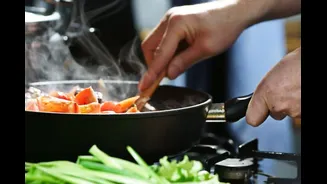
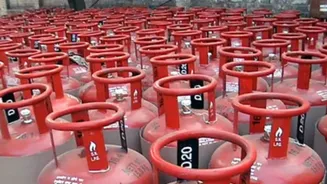
commercial LPG cylinders. This scarcity is directly impacting restaurant operations, compelling owners to rethink their menus and operational strategies. Distributors have confirmed a noticeable dip in deliveries, with the Ministry of Petroleum and Natural Gas prioritizing domestic LPG supply. This has led to a palpable sense of concern, with many establishment owners fearing the prospect of temporary closures if the situation does not improve imminently. The ripple effect is already being felt, as slow-cooked dishes and rich gravies are being phased out in favor of simpler fare like salads, sandwiches, and pizzas to mitigate reliance on gas.
Operational Adjustments
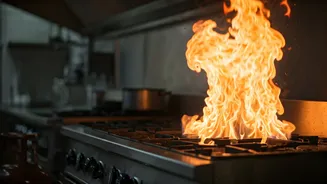
Restaurant owners are scrambling to adapt to the dwindling LPG supply. Manpreet Singh, owner of ZEN Restaurant and a key figure in the National Restaurant Association of India (NRAI), highlighted the dire situation, projecting that up to 70% of Delhi's outlets could face closure within days if the shortage persists. Beyond cylinders, even piped gas pressure has reportedly dropped from 100% to 80%, further complicating matters for establishments that rely on it. While some are pivoting to electric induction stoves, this is proving to be a costly and impractical alternative due to specialized utensil requirements and increased electricity bills. Smaller, unorganized eateries might resort to traditional cooking methods like coal and wood, but larger establishments find these options unfeasible. The impact is particularly severe for restaurants supplying essential services to hospitals and educational institutions, where any shutdown would have significant consequences.
Widespread Impact
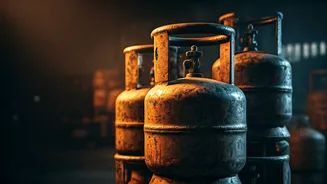
The looming crisis is poised to affect a broad spectrum of restaurants, with 70% of establishments expected to be significantly impacted. This includes a mix of businesses: 4% are large operations with over 100 seats, 70% are smaller with fewer than 50 seats, and the remainder fall into the 50-100 seat capacity bracket. These diverse establishments typically consume between two to six 19-kg gas cylinders daily, depending on their size and volume of operations. Varun Kheja, owner of The Imperial Spices in Connaught Place, shared his experience of having to cease operations after lunch on a Wednesday due to insufficient cylinder supply. His 90-plus seater restaurant, which normally requires three cylinders daily, is depleting its reserve of four to six cylinders. Like others, he has also shifted to electric frying and induction-based cooking. Kheja, who also heads the NRAI in Noida, noted that out of approximately 2,500 restaurants and eateries in Noida, many have limited gas supply options, underscoring the risk of losing valuable customers.
Urgent Alternatives
The situation is equally precarious in Gurgaon, where outlets are actively seeking alternative cooking solutions. Vicky Saluja, proprietor of Baby Dragon Bar & Restaurant in Noida Sector 18, described the situation as 'very serious.' He recounted an instance where his request for a supply refill was met with the explanation that authorities had strictly mandated the prioritization of hospitals and educational institutions. Consequently, he too has transitioned to electric induction cookers, though the commercial models represent a significant investment, costing between Rs 10,000-12,000. In Gurgaon, vendors have explicitly stated a lack of commercial LPG cylinders, with restaurant owners relying on news updates for information rather than official circulars. Akshit Behl of Khadak Singh Da Dhaba mentioned having enough stock for only one to two days and is actively exploring alternatives, acknowledging that electric or induction stoves are not universally feasible, especially in densely populated areas where electrical load capacity is a concern. The consensus among industry players is that nearly everyone in the sector is confronting similar challenges.
Distributor's Dilemma
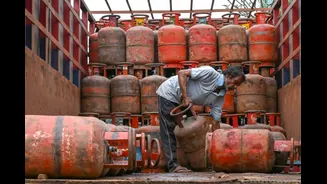
Gas distributors are at the forefront of this supply crisis, facing immense pressure and difficult decisions. One distributor in Laxmi Bai Nagar, who preferred to remain anonymous, revealed that their daily supply of 300 commercial gas cylinders has completely ceased for two days, while domestic supply is now arriving on alternate days. Normally, they maintain a stockpile of around 500 kg to serve commercial clients. However, this reserve will be insufficient if the supply disruption continues for another two days, posing a significant problem. Anil Kumar Jain, owner of Vikram Enterprises, a gas supplier in West Kidwai Nagar, corroborated this, stating that while domestic supply remains unaffected, commercial customer deliveries have been halted for the past two days. He expressed particular concern for small restaurants that lack any backup supply and are now desperately seeking alternatives from suppliers. A representative from Ravi Gas Agency in Gurgaon confirmed the shortage of commercial LPG cylinders, noting that while normal cylinder deliveries are ongoing, the quantity of commercial ones is significantly reduced.