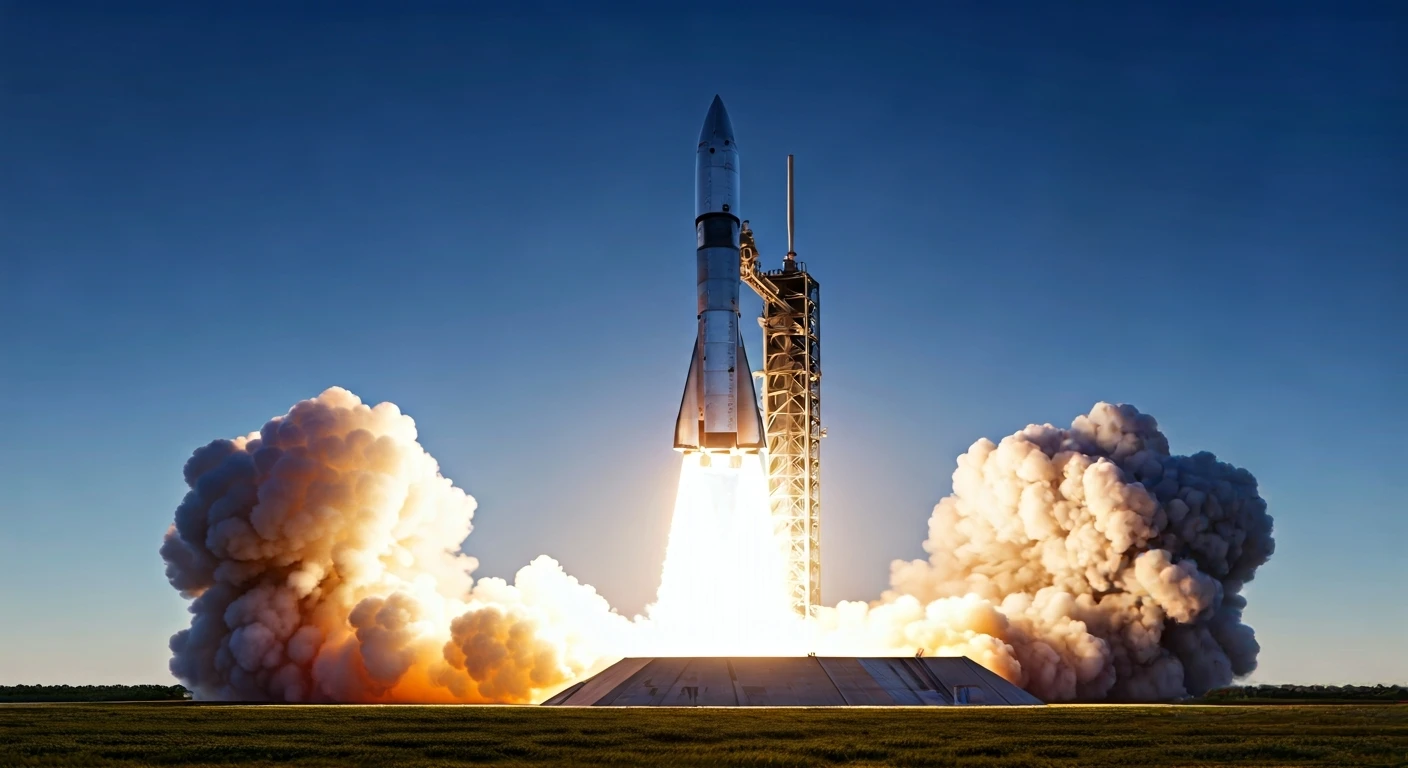

A Fusion of Ambitions
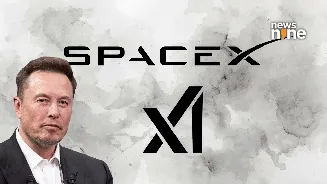
In a move that signals a significant convergence of technological frontiers, SpaceX has officially acquired its sister artificial intelligence company,
xAI. This strategic union, reportedly valued at an astonishing sum, brings together a pioneering rocket and satellite company with a developer of advanced AI, notably the Grok chatbot. The acquisition is framed by Elon Musk as a pivotal step towards fulfilling a grander mission: scaling efforts to comprehend the cosmos and disseminate consciousness throughout the stars. This transaction represents one of the most ambitious consolidations in the tech industry to date, merging a major player in space and defense with a rapidly growing AI entity whose operational costs are heavily influenced by computing hardware, data infrastructure, and energy consumption. Furthermore, this integration is anticipated to bolster SpaceX's existing data center capabilities, intensifying competition against tech giants like Google, Meta, Amazon-backed Anthropic, and OpenAI in the fiercely contested AI landscape. The sheer scale of this merger underscores a broader trend of consolidating powerful technological entities to achieve extraordinary goals. It's more than just a business deal; it's a strategic alignment designed to unlock new potentials in both artificial intelligence and our reach into space, with implications for how we understand and interact with the universe.
Valuation and Investor Implications
The financial architecture of this historic acquisition is as remarkable as its strategic implications. According to sources familiar with the transaction, SpaceX has been valued at an impressive $1 trillion, while xAI is assessed at $250 billion. This substantial valuation suggests high confidence in the combined entity's future prospects. For investors who were part of xAI, the acquisition offers a clear pathway for their stake. They are set to receive 0.1433 shares of SpaceX for each share they held in xAI. This exchange mechanism allows existing xAI stakeholders to become significant shareholders in the larger, more diversified SpaceX enterprise. An alternative is also being offered, where some xAI executives have the option to receive cash instead of SpaceX stock, with each share valued at $75.46. The new combined entity is projected to price its shares at approximately $527 each. This follows SpaceX's previous standing as the most valuable privately held company globally, with a valuation of $800 billion from a recent internal share sale. xAI itself was last valued at $230 billion in November. This merger is also occurring amidst SpaceX's preparations for a major public offering expected later this year, which could push its valuation beyond the $1.5 trillion mark, further emphasizing the immense financial scale of these intertwined ventures and the significant financial stakes involved for all parties.
Consolidating the Muskonomy
This strategic integration further tightens the already interconnected web of Elon Musk's ventures, a phenomenon often informally referred to as the 'Muskonomy.' This expansive ecosystem already encompasses a diverse range of high-profile companies, including the electric vehicle and clean energy giant Tesla, the brain-computer interface innovator Neuralink, and the underground tunnel construction firm The Boring Company. Musk has a documented history of synergizing his enterprises, leveraging their strengths to foster mutual growth and innovation. A notable precedent was the folding of the social media platform X into xAI through a stock swap last year. This move strategically granted the AI startup access to X's vast data reserves and extensive user reach, crucial for training advanced AI models. Similarly, in 2016, he utilized Tesla's stock value to facilitate the acquisition of his solar energy company, SolarCity. The current acquisition of xAI by SpaceX builds upon this established pattern, creating a more unified and robust operational structure. This consolidation aims to create a mutually reinforcing synergy, where advancements in one company can directly benefit and accelerate progress in others, thereby amplifying the overall impact and reach of Musk's diverse business empire.
Potential Regulatory Scrutiny
While the acquisition of xAI by SpaceX presents a compelling vision for the future of technology and space exploration, it is also likely to attract significant attention from regulatory bodies and investors. The overlapping leadership roles Musk holds across multiple companies, including SpaceX, Tesla, and now xAI, raise potential concerns regarding corporate governance, valuation methodologies, and the management of conflicts of interest. Regulators may closely examine how decisions are made and resources are allocated across these intertwined entities to ensure fair practices and prevent undue advantages. Furthermore, the prospect of engineers, proprietary technologies, and valuable contracts being transferred between these associated companies could also be subject to review. SpaceX's substantial federal contracts with agencies such as NASA, the Department of Defense, and various intelligence organizations add another layer of complexity. These government entities possess the authority to scrutinize merger and acquisition transactions for potential risks related to national security and other critical interests. Therefore, this record-setting deal, while innovative, will likely undergo a thorough examination to ensure compliance and mitigate any perceived risks associated with such a significant consolidation of power and resources within Musk's extensive business network.