



Ancient Roots & Early Use
Initially conceived for protection and warmth, caps have a long history of serving practical needs. In medieval times, especially in places like England,
headwear made of wool was a common sight among working men. This wasn't just for comfort; regulations even mandated the wearing of wool caps on specific days to bolster the domestic wool industry, illustrating how headwear could be tied to economic and social policies even in its most basic forms. These early caps were less about style and more about function, a direct response to environmental conditions and societal demands, laying the groundwork for their future evolution into something more.
The Flat Cap's Ascent
The 19th century saw the emergence and widespread adoption of the flat cap, particularly among the working classes in Britain and Ireland. Often referred to as a newsboy cap, its simple, rounded silhouette became a distinctive marker of this demographic. Beyond its utility, the flat cap began to acquire a richer cultural significance, slowly transitioning into an emblem of classic, vintage style that resonates even today. Its association with everyday labor and a certain nostalgic aesthetic has cemented its place in fashion history, proving that functional items can indeed develop profound stylistic identities over time.
Cultural Impact & Expression
Caps transcended their working-class origins to become powerful symbols of identity and self-expression, particularly within the vibrant landscape of pop culture. Genres like hip-hop embraced caps as an integral part of their aesthetic, signifying belonging and individuality. The late 20th century witnessed a massive surge in the popularity of snapbacks and fitted caps, solidifying their status as mainstream fashion items. These styles became synonymous with youth culture and urban fashion, demonstrating the cap's remarkable adaptability to evolving social trends and its capacity to represent diverse subcultures.
Military Uniforms & Influence
The structured and disciplined world of the military also embraced the cap, incorporating it into uniforms as a symbol of authority and order. Peaked caps, with their distinctive brims and reinforced crowns, were often used to denote rank and convey a sense of regimentation. This military association lent the cap a formal and authoritative aura, which inevitably filtered into civilian fashion. Elements of these robust, well-defined cap designs were adopted and adapted, influencing the evolution of more formal and sophisticated headwear styles beyond the battlefield and into everyday wardrobes.
Baseball Caps Take Over
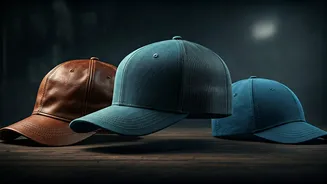
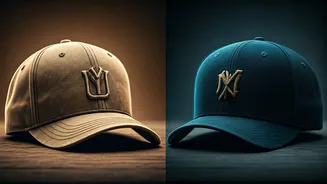
The modern baseball cap, a quintessential casual accessory, first appeared in the United States during the 19th century, primarily as part of athletic team uniforms. Its design, featuring a rounded crown and a stiff bill, offered excellent sun protection for players. The cap's inherent practicality, combined with its relaxed and approachable aesthetic, quickly propelled it from the sports field into the mainstream. Its widespread appeal and versatility made it a global fashion staple, beloved for its comfort and effortless cool, becoming one of the most recognizable and adaptable headwear styles worldwide.
Contemporary Fashion Fusion
In the contemporary fashion landscape, the cap has achieved a remarkable status, embraced by both high-fashion luxury houses and prominent streetwear brands. It has become a versatile accessory that effortlessly bridges the gap between function and high style, appearing on exclusive runways and gracing everyday outfits alike. Whether a statement piece or a subtle addition, the cap continues to be a ubiquitous presence in sports arenas, city streets, and global fashion circles, demonstrating its enduring power as a symbol of both personal taste and universal style trends.