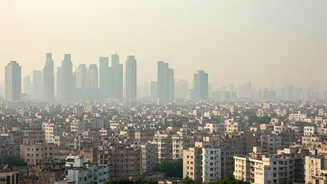

Current Air Quality Status
The air quality in Delhi has been classified as 'Very Poor,' indicating significant health risks. According to recent reports, several specific areas are experiencing
even more hazardous conditions, with air quality reaching the 'Severe' category. This suggests extremely high levels of pollutants in the atmosphere, creating immediate health concerns for residents. The data highlights a pressing need for immediate measures to mitigate the impact and protect the public health. It’s important for citizens to stay informed through official channels and take necessary precautions to minimize exposure to polluted air.
Areas Experiencing 'Severe'
Specific localities within Delhi are currently facing 'Severe' air quality, which means pollution levels have crossed critical thresholds. This section delves into identifying these specific areas. It’s a vital aspect for residents to know where the most dangerous air conditions exist so they can take appropriate steps to minimize their exposure and health risks. Information enables immediate and focused responses, such as staying indoors, wearing protective masks, or using air purifiers. It also aids in understanding the areas where pollution is most intense, supporting informed decisions and public health interventions.
Health Implications Explained
Exposure to 'Very Poor' and 'Severe' air quality poses serious health risks, particularly for vulnerable populations. This section explains the impact of air pollutants on human health, highlighting respiratory and cardiovascular issues. Understanding these health effects emphasizes the necessity of preventative measures. It reinforces the significance of monitoring air quality and taking steps to reduce personal exposure, especially in high-pollution areas. Knowledge equips individuals to make informed decisions about their health and advocate for public health solutions.
Protective Measures to Take
This section outlines actionable steps individuals can take to protect themselves during periods of high air pollution. It covers guidelines from health authorities, recommending measures like wearing N95 masks, minimizing outdoor activities, and using air purifiers. These are vital for reducing personal exposure. The guidelines underscore the importance of individual responsibility and awareness. They provide practical strategies to minimize health risks. They empower people to make informed choices. This includes using technology to monitor air quality levels.