







The Viral Hack Unveiled
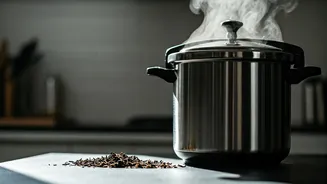
The digital world is currently captivated by a unique culinary trend: the pressure cooker tea method. This innovative technique involves utilizing a pressure cooker,
an appliance typically associated with cooking meals, to prepare tea. The method has swiftly gained traction on various online platforms, leading to widespread discussion and interest among home cooks and tea enthusiasts. This novel approach represents a departure from the traditional stovetop or kettle methods, offering a fresh take on tea preparation. The trend underscores the ever-changing nature of culinary practices, as individuals continuously seek innovative and efficient ways to prepare their favorite beverages.
Why the Buzz?
Several factors contribute to the escalating popularity of pressure cooker tea. First, the speed and convenience it offers are particularly appealing. The pressure cooker significantly reduces brewing time compared to conventional methods. Secondly, many enthusiasts are drawn to the potential for enhanced flavor. Pressure cooking can intensify the extraction process, possibly leading to a more robust and flavorful cup of tea. Another factor is the social media component. The sharing of this hack on platforms like Instagram and TikTok has greatly amplified its reach, with users posting recipes, tutorials, and their personal experiences. This has turned the pressure cooker tea into a trending topic.
Method and Techniques
The core technique behind pressure cooker tea typically involves adding tea leaves, water, and sometimes other ingredients like milk, sugar, or spices, into the pressure cooker. After sealing the cooker, it is heated, allowing pressure to build. Once the pressure is achieved, the brewing process takes a few minutes, depending on the desired tea strength. After the brewing, the pressure is carefully released, and the tea is then strained. This process differs from conventional brewing, as it uses high pressure and temperature to extract the flavors. Variations of the method also involve specific tea types, tea-to-water ratios, and ingredient preferences. The key lies in finding the right balance of tea leaves, water, and cooking time.
Pros and Cons
This brewing technique presents advantages and disadvantages. On the positive side, speed is a significant advantage, particularly for individuals with busy lifestyles. The method is also seen as a way to enhance the tea's flavor. The pressure cooking process allows for deeper extraction of tea essence. However, there are potential drawbacks. One concern is the potential for over-extraction, which can lead to bitter tea if the brewing time is not carefully monitored. The method also requires more involved cleanup. Furthermore, not all tea types might be well-suited to pressure cooking, with delicate teas possibly being more prone to damage. Therefore, proper assessment and adaptation are important before adopting this tea-making strategy.
Final Thoughts
The pressure cooker tea technique presents an intriguing alternative to traditional brewing methods. As the Internet continues to buzz, this hack has sparked curiosity and debate among tea lovers. The success of this tea-making approach will eventually depend on individual preferences. The experimenters will assess the taste and ease of the process. Whether it becomes a lasting trend or remains a niche curiosity remains to be seen. Regardless, the pressure cooker tea represents the ongoing evolution of culinary practices.