
Ancient Agricultural Roots
Lohri's origins are deeply intertwined with the agrarian traditions of the Indian subcontinent. The festival's celebration stems from the ancient practice
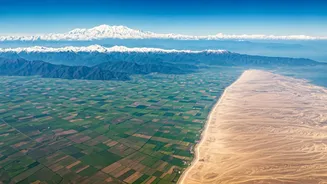
of acknowledging the significance of the winter solstice. The timing of Lohri, falling around this time, corresponds to the shortest day and longest night of the year, a turning point that symbolizes the triumph of light over darkness and the promise of a new agricultural cycle. Historically, Lohri was a celebration of the harvest, where farmers expressed their gratitude for a successful crop and prayed for future prosperity. This connection to the land and the seasonal changes remains a central theme, highlighting the festival's enduring relevance to communities that continue to value the cycles of nature. The rituals and traditions are reflective of the people's agricultural life, passed down through generations. These include offering food and other items to the fire as a symbol of thanksgiving and seeking blessings for the upcoming harvest season.
Winter Solstice Linkage
The close alignment between Lohri and the winter solstice provides insight into the festival's meaning. The winter solstice, a significant astronomical event, marks the shortest day of the year and the start of the gradual increase in daylight. This shift in the sun's position holds immense importance in many cultures, including India, where it signifies the beginning of the sun's northward journey, representing renewal, growth, and the triumph of light over darkness. Lohri's observance coincides with this celestial phenomenon, reflecting the belief in the power of the sun to bring warmth, sustenance, and hope. Bonfires, an essential element of Lohri, are lit to symbolize the sun's presence and to create a sense of warmth and togetherness during the cold winter nights. These celebrations are seen as a way to welcome the longer days ahead and to express hope for the upcoming harvest. This festival, in a way, is a beacon of hope and a celebration of life.
Celebrated Beyond Punjab
While Lohri is most famously celebrated in Punjab, its spirit extends beyond this region, showcasing the interconnectedness of Indian culture. Similar harvest festivals are observed across various parts of the country, reflecting the shared agricultural roots and the importance of seasonal celebrations. Each region may have unique customs, but the core essence of the festival remains the same, a collective expression of joy, gratitude, and the anticipation of new beginnings. The variations in celebrations reflect the diverse traditions and culinary practices across different communities. The spread of Lohri celebrations beyond Punjab underscores the festival's ability to transcend geographical boundaries and connect people through shared values and festive traditions. This underscores the shared cultural heritage and the significance of community celebrations in India.
Sesame, Jaggery Significance
Seasonal foods, such as sesame seeds and jaggery, play a central role in Lohri celebrations, emphasizing the festival's connection to the changing seasons and the abundance of the harvest. Sesame seeds, known for their warmth-giving properties, are often eaten in various forms and offered to the bonfire. Jaggery, a natural sweetener made from sugarcane, is another crucial ingredient, symbolizing sweetness and prosperity. These ingredients are incorporated into traditional sweets and dishes, shared among family and friends as a gesture of goodwill and togetherness. The consumption of sesame and jaggery is seen as a way to stay warm and healthy during the winter months, while the sharing of these treats is a demonstration of community bonding. They represent the fruits of the harvest and the abundance that the season brings. The tradition further underscores the significance of natural ingredients and their role in the cultural practices.
Folk Songs & Legends
Folk songs are an integral component of Lohri, weaving stories, myths, and legends into the heart of the celebration. These songs are often sung around the bonfire, recounting tales of heroism, love, and the struggles and triumphs of everyday life. They offer a unique window into the cultural heritage of the region, transmitting oral traditions from one generation to the next. The melodies and lyrics reflect the values, beliefs, and experiences of the community, serving as a reminder of the shared history and cultural identity. The rhythm of the dhol, a traditional drum, adds to the vibrancy, encouraging people to dance and celebrate. These songs serve not only as entertainment but also as a way to preserve cultural memory and pass down knowledge and values. This further emphasizes the oral tradition and the value it holds in celebrating festivals.
For New Generations
Lohri holds special significance for newlyweds and newborns, marking the beginning of a new phase in their lives and welcoming the newest members of the family into the community. Newlyweds are often the center of attention during Lohri celebrations, receiving blessings and good wishes for a happy and prosperous life together. The arrival of a newborn is greeted with immense joy, representing the continuation of the family lineage and the promise of a bright future. The traditions associated with newlyweds and newborns vary from region to region, but the underlying sentiment remains the same: a celebration of new beginnings, the importance of family, and the bonds that tie communities together. These traditions create lasting memories and underscore the significance of Lohri in family dynamics. These rituals highlight the festival’s enduring connection to the rhythm of life and the continuity of tradition.
Fire's Central Role
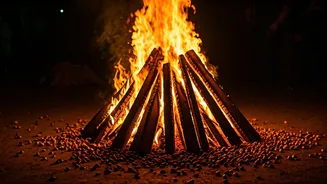
At the heart of Lohri is the bonfire, a symbol of warmth, light, and community spirit. The bonfire, lit with wood and other combustible materials, serves as a focal point for the celebrations, attracting people from all walks of life to gather, socialize, and share in the festive atmosphere. Offerings of sesame seeds, jaggery, and other items are made to the fire as a gesture of gratitude and as a prayer for prosperity and well-being. The flames represent the power of the sun and the triumph of light over darkness, embodying the promise of renewal and growth. The bonfire also serves as a platform for singing, dancing, and storytelling, fostering a sense of togetherness and camaraderie. It’s a symbol of hope and a shared experience that strengthens community bonds. The dancing and singing around the fire emphasize the collective joy and the shared cultural identity of the people celebrating Lohri.
Harvest's Commencement
Lohri marks the beginning of the harvest season, signaling the end of winter and the anticipation of a bountiful crop. The festival is a celebration of nature's bounty and a thanksgiving for the blessings of the land. It’s a time to celebrate the fruits of labor and express gratitude for the prosperity that the harvest brings. The timing of Lohri is aligned with the winter solstice, symbolizing the shift towards longer days and the promise of a new agricultural cycle. The festival marks the transition from cold weather to warmer times, which is crucial for the growth of crops. The anticipation of the harvest season highlights the enduring connection between humans and the natural world. This transition of seasons and the promise of a good harvest are integral parts of the Lohri festival.