







A Photographic Nexus Emerges
Nestled a short distance from CST in the Fort area, Camera Gully, situated on Jivaji Lane, began its story in the early 1900s. Its origins are closely
tied to Mumbai's status as a major port, facilitating the influx of imported photographic apparatus. By the 1930s, a concentration of camera stores around D N Road solidified the lane's reputation, transforming it into a prominent marketplace dedicated to all things photography. This transformation wasn't just about commerce; it was about creating a destination where enthusiasts and professionals alike could find the tools of their trade. Zoya Thomas Lobo, a pioneering transgender photojournalist, recounts her initial hesitations and eventual triumph in acquiring her first camera here, highlighting the lane's initial atmosphere of both exclusivity and opportunity. Her subsequent return for her first brand-new camera underscores the enduring appeal and trust the lane fostered among its clientele, a testament to the personal connections built within its vibrant ecosystem.
A Legacy of Expertise
Central Camera Company, a fixture since its establishment in 1932, played a pivotal role in the growth of Camera Gully, establishing it as a significant center for cameras, film, and processing services across India. During its peak, individuals from all corners of the country would make pilgrimages to this lane, seeking equipment that was often scarce elsewhere. Rajdeep Ved of Vibgyor Photos, a shop that has been operational since 1959, reflects on this era. He notes that the lane's success was built on specialized knowledge, with each shop cultivating its own clientele and offering guidance. The purchasing process was far from a simple transaction; it involved in-depth conversations about a customer's photographic aspirations and a thorough understanding of the equipment's capabilities. As Ved emphasizes, the priority was not just selling a camera, but ensuring it served a purpose and wasn't left unused, a philosophy that fostered deep customer loyalty and trust within the photography community.
Comprehensive Photo Services
The intricate ecosystem of Camera Gully extended beyond just sales, encompassing a full spectrum of photographic services that supported a holistic customer experience. Shops in the lane were equipped to handle film processing, including both black and white and color options, along with printing and repair services. They served as crucial hubs, guiding customers through every step of their photographic workflow. Vibgyor Photos, for instance, was a major collection point for Kodak, processing vast amounts of film. The shop even housed India's first air-conditioned studio on its first floor, showcasing the innovative spirit and comprehensive offerings available. This integrated approach meant that customers could rely on Camera Gully for everything from acquiring their gear to developing their precious memories, creating a self-contained and invaluable resource for photographers of all levels.
Adapting to the Digital Shift
The landscape of Camera Gully began to transform as camera manufacturers expanded their reach and online retail platforms made equipment more accessible, leading to a gradual decline in the number of people making dedicated trips to the lane. Rajdeep Ved observes that the rise of franchised stores in multiple locations diminished the exclusive appeal for customers from outside the city. Furthermore, the nature of camera sales evolved significantly. Ved laments the loss of the advisory approach, stating that the current trend among many retailers is to focus purely on product sales rather than providing the essential advice customers need to make informed decisions. This shift marked a departure from the personalized service that had once defined Camera Gully, impacting both the business model and the customer experience.
The Retro Revival
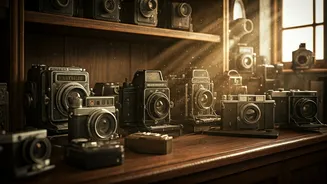
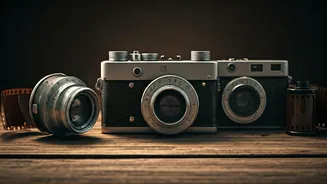
In contemporary times, Camera Gully has carved out a distinct niche, primarily catering to a different demographic and focusing on analog equipment. Imesh Shah of Janta Photo Store, established in 1970, echoes the sentiments of a bygone era when the lane was the sole market for many across India. His store now exclusively deals in analog cameras, a strategic choice driven by the unpredictable pricing fluctuations of digital equipment, making products with stable value more appealing for business. The customer base has consequently shifted, with fewer individuals seeking to upgrade to DSLRs. Instead, the lane now attracts a mix of amateurs and younger enthusiasts drawn to the allure of analog cameras, a global trend where older photographic formats are experiencing renewed interest. Interestingly, there's also a burgeoning demand for older digital point-and-shoot models from about 10 to 15 years ago, indicating a broader retro appeal in the current market.
A Shifting Sense of Comfort
While the evolving trends have introduced new clientele to Camera Gully, Zoya Thomas Lobo's personal experiences highlight a subtle yet significant change in the lane's atmosphere. She notes that while a few shops still offer a welcoming environment where she feels comfortable engaging in conversation, others remain places she approaches with caution. The underlying concern is whether she will be judged, a stark contrast to the inclusive and supportive environment that once characterized the gully. The sense of camaraderie and openness that defined Camera Gully in its heyday is not as readily apparent today. This shift underscores how changing social dynamics and the evolution of retail spaces can impact the feeling of belonging and comfort for individuals, even within historically significant locations.