





A Wealth of Sites
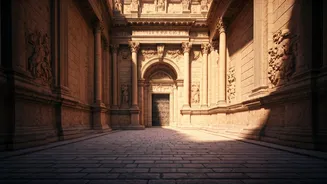
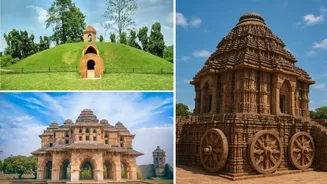
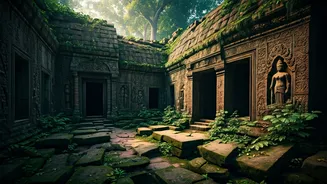
India stands as a global custodian of history and nature, boasting an impressive collection of over 40 UNESCO World Heritage Sites. This vast number places
the nation among the most culturally and environmentally significant countries worldwide. These designations encompass a wide spectrum, from ancient monuments and architectural masterpieces that reflect diverse human civilizations, to breathtaking natural landscapes that showcase the planet's geological and biological wonders. Each site is a testament to India's enduring legacy, a tangible link to its past, and a vital component of its present identity, attracting global attention and fostering a deeper appreciation for its multifaceted heritage.
Ajanta's Lost Art
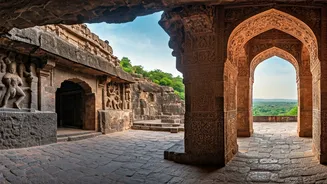
For centuries, the Ajanta Caves remained concealed from the world, a silent testament to a bygone era. These ancient Buddhist rock-cut monuments, adorned with exquisite murals and sculptures, were only brought back into the light in 1819 by a serendipitous encounter. A British officer, while on a hunting expedition, stumbled upon these hidden chambers, revealing a treasure trove of art and history. The vibrant paintings within depict Jataka tales and scenes from the life of Buddha, offering unparalleled insights into the art, culture, and religious practices of ancient India. Their rediscovery was a pivotal moment, preserving a crucial part of artistic heritage that had been lost to the passage of time.
Brihadeeswara's Mystery
The magnificent Brihadeeswara Temple in Thanjavur, an architectural triumph of the Chola dynasty, holds an intriguing secret. Renowned for its colossal Vimana, the towering central shrine, it is whispered that this majestic structure casts an almost imperceptible shadow at midday. This phenomenon, rather than being supernatural, is a result of the temple's ingenious design and precise proportions, a testament to the advanced engineering skills of its ancient builders. The temple's grandeur, coupled with this subtle architectural marvel, continues to captivate visitors and scholars alike, underscoring the brilliance of its creators and its status as a world heritage landmark.
Hampi's Golden Age
Once the glorious capital of the Vijayanagara Empire, Hampi was a city of immense wealth and grandeur during the 14th to 16th centuries. Its strategic location and thriving trade routes made it one of the most prosperous urban centers globally, drawing merchants and travelers from distant lands. The ruins of Hampi, a UNESCO World Heritage site, offer a vivid glimpse into this past glory, with scattered temples, palaces, and market streets still hinting at its former magnificence. Exploring these ancient structures allows one to imagine the bustling city it once was, a hub of commerce, culture, and architectural innovation.
Jaipur's Pink Design
The enchanting city of Jaipur, often referred to as the "Pink City," is a marvel of urban planning. Its layout is not by chance but meticulously designed according to the ancient Indian architectural treatise, Vastu Shastra. This traditional system emphasizes harmonious integration with nature and ensures mathematical symmetry in its grid-like structure. The distinctive pink hue of its buildings, a symbolic color of hospitality, was a deliberate choice made during the visit of the Prince of Wales in 1876. Jaipur stands as a living example of how ancient wisdom continues to shape modern urban landscapes, blending functionality with aesthetic beauty.
Konark's Chariot Temple
The Sun Temple at Konark is a breathtaking monument designed to resemble a colossal chariot, complete with intricate stone wheels and horses, dedicated to the Sun God Surya. Legend has it that at its pinnacle once rested a massive lodestone, a powerful natural magnet. Historians debate its exact function, but it was believed to have played a role in the temple's alignment, and some tales even suggest it could influence the compasses of ships sailing nearby. Though the lodestone is no longer present, the temple's awe-inspiring design and the myths surrounding it continue to fascinate, making it an unforgettable heritage site.
Rani ki Vav's Depths
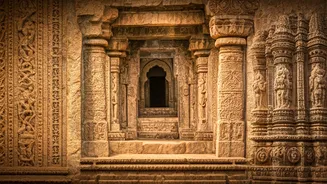
More than just a utilitarian water source, Rani ki Vav (The Queen's Stepwell) in Gujarat is an architectural masterpiece designed like an inverted temple. This magnificent stepwell, a UNESCO World Heritage site, descends into the earth in a series of intricately carved steps and platforms. Adorned with hundreds of exquisite sculptures depicting deities, celestial beings, and scenes from daily life, it offers a unique subterranean artistic experience. The genius lies in its functional beauty, providing water access while simultaneously serving as a sacred space and a canvas for elaborate artistry that unfolds with each level.
Sundarbans' Mangrove Realm
The Sundarbans National Park represents the largest mangrove forest on our planet, a unique and vital ecosystem straddling the border between India and Bangladesh. This dense, interwoven network of tidal waterways and islands is a sanctuary for an incredible array of flora and fauna. It is most famously known as the last refuge of the elusive Royal Bengal tiger, a magnificent creature uniquely adapted to a semi-aquatic lifestyle in this challenging yet beautiful environment. The park's significance extends beyond its biodiversity, serving as a critical natural barrier protecting coastal communities from storm surges and erosion.