








Consumer's Alarming Discovery
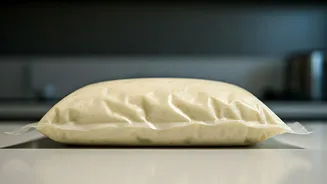
A perplexing situation unfolded for a doctor in Hyderabad when she discovered a packet of paneer had significantly puffed up, despite being well within
its sell-by date. This unexpected observation, shared on social media, sparked concern about product integrity. The consumer meticulously documented her experience, noting the paneer was purchased from a reputable supermarket and immediately placed in refrigeration upon returning home, ensuring the cold chain was uninterrupted. She highlighted that other dairy items bought on the same occasion remained perfectly fine, making the state of the paneer packet even more unusual. This incident was particularly concerning as she mentioned having previously purchased from the same brand without encountering such issues, making this the first time two different types of paneer from the same manufacturer appeared spoiled before their indicated expiration.
Brand's Detailed Explanation
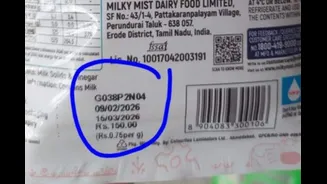
In response to the growing online discussion, the dairy company addressed the specific concerns raised by the consumer. They identified the affected paneer as belonging to a batch manufactured on February 9, 2026, which comprised approximately 6,100 kg packaged into 200g units. An internal investigation was promptly launched, including an examination of control samples retained at their facility. The company reported that these internal quality checks were satisfactory and indicated no issues with the manufacturing process for that batch. Furthermore, they stated that no other customer complaints regarding this specific batch had been received. The brand emphasized their commitment to maintaining a refrigerated supply chain from production to retail, suggesting that any deviation from recommended storage temperatures occurring after the product left their control could be a potential cause for such anomalies, rather than a manufacturing defect.
Understanding Swollen Packets
Several factors can contribute to a paneer packet exhibiting swelling before its stated expiry. A primary culprit is often a disruption in the cold chain, meaning the product wasn't consistently kept at the required low temperatures during transit or at the point of sale. When paneer is exposed to warmer conditions, even for short periods, it can accelerate microbial activity. Certain bacteria can metabolize the lactose present in paneer, a process that releases gases. It is these accumulating gases within the sealed packet that cause it to expand or 'puff up.' Additionally, minor breaches in the packaging's seal, whether from a manufacturing defect or damage during handling, can allow ingress of air or contaminants, also leading to premature spoilage and the visible inflation of the packet, even when the expiry date is still some time away.