








A Breath of Fresh Air
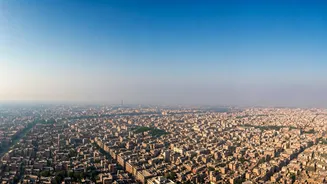
The year 2025 marked a significant turning point for Delhi's air quality, with the city experiencing its cleanest air in eight years. This positive development
was brought to light by Manjinder Singh Sirsa, who shared the encouraging news. It indicates improvements in environmental conditions, which are a relief for the millions of residents in Delhi. The announcement highlights the impact of any measures taken to address the pollution, and the resultant changes in the quality of the air that Delhi's residents breathe. The city has long struggled with air pollution, making this a significant accomplishment and a testament to the efforts of government and other organizations to improve the environment.
Eight-Year Improvement Noted
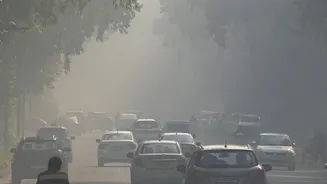
This achievement is particularly noteworthy considering Delhi's long-standing struggles with air pollution. The city has often grappled with severe air quality issues, making it one of the most polluted cities in the world. The fact that the air quality reached its best levels in eight years suggests that any interventions, such as stricter emission controls, infrastructural enhancements, and greater public awareness campaigns, might have started to bear fruit. The improvement underscores a move in the right direction and a commitment to address a serious environmental issue. This is an encouraging trend, as it provides hope and shows that the city's air quality challenges can be addressed.
Possible Contributing Factors
Though the exact factors behind this improvement were not provided, many elements might have played a role. These could include stricter implementation of environmental regulations, enhanced public transit, and a move towards cleaner energy sources. Changes in weather patterns or fewer instances of stubble burning in neighboring states could also be contributors. The collective impact of these and other initiatives is reflected in the tangible improvement of Delhi's air quality, which gives hope to a cleaner, healthier future for the city's inhabitants. This improvement underscores the need for continued vigilance and commitment to maintaining and enhancing these gains.
Impact on Citizens
The enhanced air quality in 2025 has had a positive effect on the health and quality of life for Delhi's residents. Reduced exposure to pollutants means fewer respiratory illnesses, improved overall well-being, and a healthier environment for children and the elderly. Cleaner air also benefits the local economy, as there are fewer healthcare expenses and decreased productivity losses due to illness. Moreover, better air quality improves the city's appeal, making it a more attractive place to live, work, and visit. The shift highlights how environmental improvements have a direct impact on the day-to-day lives of Delhi's inhabitants, promoting both physical health and a sense of collective wellness.
Looking Ahead
While the 2025 results are encouraging, maintaining this level of air quality and striving for further improvements continues to be vital. This requires ongoing monitoring of air quality data, the continuous implementation of pollution control measures, and continued efforts to increase awareness among Delhi's population. It is also important to address any potential setbacks or challenges that might arise. This involves a collaborative approach including government agencies, environmental organizations, and the general public, all working together to sustain the advancements achieved and build an even cleaner, healthier future for Delhi. This collaborative effort is important for continued progress.