
Introduction to Steaming
Steaming is a time-tested cooking method, particularly in Indian cuisine, known for its ability to preserve nutrients and impart a unique texture. Steaming involves
cooking food in the vapor produced by boiling water, offering a lighter, healthier alternative to frying or other methods that use more oil. This technique not only retains the natural flavors of the ingredients but also helps in making the food easily digestible. Many Indian breakfast dishes benefit significantly from this cooking style, which ensures that the food remains moist and tender while retaining its nutritional value. In Indian culinary traditions, steaming is often associated with dishes that are considered both wholesome and easy to prepare, making it a favorite for the morning meal.
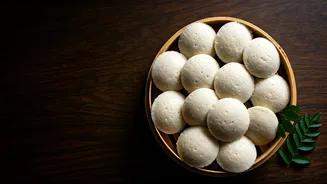
Idli: South Indian Staple
Idli, a South Indian staple, holds a special place in the hearts of many. Made from fermented rice and lentil batter, this steamed cake is a powerhouse of health benefits, being naturally gluten-free and low in calories. The fermentation process increases the bioavailability of nutrients, making it easier for the body to absorb them. Typically served with sambar (a lentil-based vegetable stew) and coconut chutney, idli is a complete meal in itself. It is light, fluffy, and gentle on the stomach, making it an excellent choice for any age group, especially children and the elderly. The simplicity of idli makes it a versatile breakfast option, easily adaptable to various tastes and dietary needs. The preparation is simple: the batter, once fermented, is steamed in special idli molds until fluffy.
Dhokla: Gujarati Delight
Originating from Gujarat, Dhokla is a steamed snack made from fermented batter, usually a blend of gram flour (besan) and other ingredients. The fermentation gives it a light, airy texture and a slightly tangy taste. Dhokla is not only delicious but also relatively low in fat, making it a healthier alternative to many fried snacks. It is often seasoned with mustard seeds, green chilies, and coriander leaves, which add a burst of flavors and enhance the overall experience. This dish is usually served with a sweet and sour chutney or a green chutney, offering a balanced combination of flavors. Dhokla can be prepared in various ways, with variations including Khatta Dhokla and Rava Dhokla, each offering a unique twist on the original recipe. The steaming process ensures that the dish retains its moisture and softness, making it a perfect breakfast item.
Modak: Maharashtrian Treat
Modak is a sweet dumpling, primarily associated with the Indian state of Maharashtra, and is often prepared during festivals like Ganesh Chaturthi. The outer layer is made from rice flour, and the filling is typically a mixture of grated coconut and jaggery, flavored with cardamom. The dumplings are steamed, which ensures a soft, chewy texture. The preparation of modaks is often considered a labor of love, requiring skill and patience to shape and steam them perfectly. They are not only delicious but also carry a symbolic meaning, offered to the deity Ganesha as a symbol of prosperity. The process of preparing Modaks involves several steps, from creating the dough to carefully shaping and filling each dumpling, and finally, steaming them to perfection. There are several variations of modak, including fried and sweet versions.
Uttapam: South Indian Pancake
Uttapam, often called the Indian pancake, is another South Indian breakfast that's both easy to prepare and incredibly versatile. Made from a batter similar to idli's (fermented rice and lentil), uttapam can be customized with various toppings like chopped vegetables, onions, and chilies. The batter is poured onto a hot griddle, and the toppings are pressed into it. While technically not steamed entirely, the cooking process retains moisture and ensures a soft texture. It is a hearty and filling breakfast choice, often served with sambar and chutney. Uttapam provides a balanced meal with the carbs from the batter and the added nutrients from the vegetables. Various regional versions and topping combinations make uttapam a popular choice across India, offering something for everyone.
Puttu: Kerala’s Delight
Puttu, a steamed rice cake from Kerala, is typically made with layers of coarsely ground rice and grated coconut. The ingredients are steamed in a cylindrical mould, which gives it its distinct shape. The combination of rice and coconut provides a delightful texture and a unique flavor profile. Traditionally, puttu is served with kadala curry (black chickpea curry) or with ripe bananas and sugar, creating a sweet and savory contrast. Puttu is a popular breakfast option in Kerala and is often enjoyed by people of all ages. Its simplicity and healthy ingredients make it a nourishing start to the day. The cooking method, steaming, ensures that the dish remains moist and retains its natural flavors, making it a delightful experience.
Momos: Himalayan Influence
Momos, dumplings originating from the Himalayan region, have become a favorite breakfast option in many parts of India. These steamed dumplings can be filled with a variety of ingredients, including vegetables, chicken, or pork. The fillings are wrapped in a dough made from wheat flour and then steamed until cooked through. Momos are typically served with a spicy chutney, adding a delicious kick to the flavor. The popularity of momos has extended beyond the Himalayan region, with variations and adaptations to suit different tastes and preferences. The steaming process ensures that the momos remain juicy and tender, creating a delightful eating experience. The versatility of fillings and sauces makes momos a customizable and appealing breakfast option.
Khaman: Another Gujarati Dish
Khaman is a popular Gujarati snack that shares similarities with dhokla but is generally made with gram flour. It is also steamed, which results in a fluffy and spongy texture. The batter is fermented and flavored with ingredients like green chilies, ginger, and turmeric, giving it a distinctive taste. Khaman is often tempered with mustard seeds, curry leaves, and other spices, adding a rich aroma and flavor. This snack is commonly served with sev (thin crispy noodles) and coriander leaves. The preparation of khaman involves a series of steps, from fermenting the batter to steaming and tempering, all contributing to its unique character. Khaman is a lighter and healthier snack choice, perfect for breakfast or any time of the day.
Bati: Rajasthani Staple
Bati, a hard, baked ball made from wheat flour, is a key element of the Rajasthani cuisine, often paired with dal (lentils) and churma (sweet crumbled bread). While not directly steamed, the cooking process involves baking the dough balls, which may be steamed briefly to soften them before serving. The combination of dal, bati, and churma provides a balanced meal with flavors and textures. The baking process creates a sturdy exterior, while the inside remains soft and crumbly. The dish's rich flavors and textures are often associated with Rajasthani hospitality. Bati is a hearty and filling breakfast option, offering substantial energy to start the day. The preparation involves a multi-stage process, leading to the perfect balance of texture and taste.
Appam: Kerala Pancake
Appam, a pancake-like dish from Kerala, is made from fermented rice batter. It features a soft, spongy center and crispy, thin edges. The batter is prepared using a special technique, and the appams are cooked in a special pan, creating their distinctive shape. Appams are a popular breakfast choice, often served with vegetable stew (stew), egg curry, or coconut milk. The preparation method combines fermentation and pan-cooking, providing a unique texture and flavor. It is a light and satisfying breakfast option that can be customized with various toppings and accompaniments. The crispy edges and soft center make appam a delight to eat and are a staple in many households across Kerala.