




Shifting Electoral Landscape
The political narrative in West Bengal is significantly different as it gears up for the 2026 Assembly elections compared to the high-octane contest of
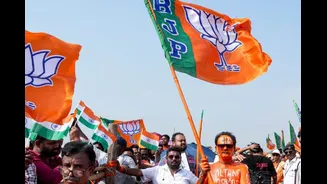
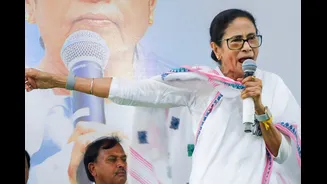
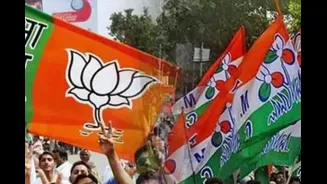
2021. While the 2021 elections were largely characterized by the Bharatiya Janata Party's (BJP) aggressive surge and the All India Trinamool Congress's (TMC) resilient hold, the upcoming polls are anticipated to be a much closer affair. The BJP, which has transformed from a fringe player to the state's principal opposition over the past decade, is aiming to unseat Chief Minister Mamata Banerjee's government. The previous election saw the TMC secure a commanding 215 seats against the BJP's 77, a dramatic rise for the latter from just three seats in 2016. However, current analyses suggest that the 2026 elections will likely be a more competitive race, with both major parties intensely focusing on swing voters and adapting their strategies to a changed political climate. This evolving dynamic points towards a contest where the outcome may not be as decisively predetermined as in previous years, reflecting a maturing political competition in the state.
Streamlined Polling Process
A notable procedural alteration for the 2026 West Bengal Assembly elections is the significantly condensed polling schedule. In stark contrast to the 2021 elections, which spanned an extensive eight phases due to logistical and security considerations, the upcoming polls are slated to conclude within just two phases. Scheduled for April 23 and April 29, this streamlined approach is expected to bring about substantial changes in campaign management and voter mobilization efforts. Political parties will need to adjust their ground-level strategies to accommodate a shorter campaigning period, potentially leading to more concentrated efforts in specific areas and a quicker pace of electioneering. This reduction in the duration of polling might also influence how parties allocate resources and manage their campaign machinery, making efficiency and rapid response critical for success.
Voter Roll Controversy
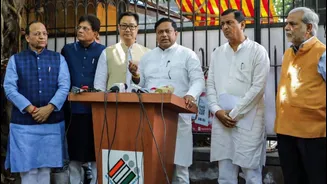
A central and contentious issue distinguishing the 2026 elections from their 2021 predecessor is the Special Intensive Revision (SIR) of electoral rolls. The process of updating voter lists, which was not a prominent point of contention in 2021, has now become a significant political flashpoint. Reports indicate that approximately 64 lakh names have been removed from the voter rolls, with several additional lakhs undergoing review. This extensive revision has ignited a fierce debate between the BJP and the TMC. The BJP defends the exercise as a necessary measure to address issues such as illegal immigration and demographic shifts, particularly in districts bordering other countries. Conversely, the TMC has vociferously accused the BJP of attempting to disenfranchise legitimate voters, especially within minority communities. The implications of these deletions could be profound, potentially swaying the results in closely fought constituencies where the margin of victory in 2021 was smaller than the number of names removed from the rolls, introducing a new layer of electoral uncertainty.
Evolving Political Momentum
The political momentum in West Bengal has undergone a discernible shift since the last state elections. The BJP's establishment as the principal opposition, securing 77 seats in the current assembly, marks a significant achievement. Although the party's upward trajectory has seen fluctuations, including a less dominant performance in the 2024 Lok Sabha polls compared to its 2019 showing, its decade-long growth remains remarkable. From a position of having no seats and around 4% vote share in 2011, the party grew substantially to achieve 77 seats and over 38% of the vote in 2021, effectively replacing the Left and Congress as the main challenger. Meanwhile, the ruling TMC, under Chief Minister Mamata Banerjee, continues to govern but is now contending with the potential for anti-incumbency sentiments after more than a decade in power. This sets the stage for the 2026 election to be framed as a critical choice between established governance and the public's desire for political change.
Campaign Theme Transformation
The core issues driving election campaigns have also evolved considerably between the 2021 and 2026 West Bengal Assembly elections. While the 2021 campaign predominantly centered on identity politics and the effectiveness of welfare schemes, the discourse leading up to 2026 has broadened significantly. The current debate now encompasses a wider array of concerns, including anti-incumbency sentiment against the ruling party, allegations of corruption, the pervasive issue of migration, the need for enhanced economic opportunities, and the critical matter of women's safety. Alongside these evolving themes, discussions around citizenship-related policies such as the CAA (Citizenship Amendment Act) and NRC (National Register of Citizens) continue to remain relevant, indicating a more complex and multifaceted electoral agenda for the upcoming polls.
Crucial Battleground Seats
Political analysts predict that approximately 57 constituencies across West Bengal will play a pivotal role in determining the outcome of the highly anticipated 2026 elections. Many of these seats were won with slender margins, often less than 8,000 votes, in the 2021 elections, making them the key battlegrounds for this electoral cycle. The 2021 results showed a near-even split in these crucial areas, with the TMC winning 29 and the BJP securing 28. Further highlighting the intensity of competition, 19 constituencies were decided by fewer than 3,000 votes, with the BJP clinching 12 of these and the TMC winning seven. A significant concentration of these closely contested seats is located in South Bengal, accounting for 47 constituencies, while North Bengal contributes 10. Districts such as Purba Medinipur, Paschim Medinipur, Bankura, Purulia, and Paschim Bardhaman are particularly important, as even minor shifts in vote share could profoundly impact the final results in 2026. Additionally, evolving patterns of political polarization and voter mobilization are influencing electoral behavior across various districts, especially in border regions where migration and voter eligibility have become prominent campaign topics.