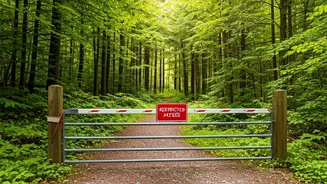

Karnataka's Forest Closures
Recent developments in Karnataka have led to the implementation of forest entry restrictions, which directly affect travellers. These measures, frequently
imposed by the Forest Department, mean that access to popular trekking destinations and forested areas could be denied at the entry gates. This could lead to a sudden change in travel plans for both individual adventurers and organized groups. The primary focus of these restrictions is to protect the environment and preserve the natural ecosystems within these regions. These decisions are critical during specific times of the year, particularly during the monsoon season or periods of increased fire risk, due to the vulnerability of the forests to damage and potential disasters. These closures are implemented to ensure the safety of visitors and the protection of the delicate ecological balance within these environments, promoting sustainable tourism.
Reasons Behind Restrictions
Several factors drive the implementation of forest entry restrictions in Karnataka. One of the main concerns is environmental protection. Forests in Karnataka host a diverse array of flora and fauna. During vulnerable periods, such as the monsoon, increased foot traffic can cause significant damage to the plant life and disrupt animal habitats. There are also the risks of fire hazards, especially during the dry season. Uncontrolled campfires or careless actions by visitors can spark devastating wildfires that not only destroy habitats but also pose serious threats to human lives. Moreover, these restrictions also relate to the preservation of natural resources. By limiting access, authorities aim to reduce the strain on the ecosystems. These steps help prevent degradation and ensure that the forests can continue to support wildlife and offer their ecological services for future generations.
Affected Locations
The forest entry restrictions can affect several locations in Karnataka. The specific areas impacted often vary depending on the season and the immediate risks faced. Popular trekking destinations, such as the Western Ghats, are frequently subject to these restrictions due to their rich biodiversity and the high volume of visitors. National parks, wildlife sanctuaries, and reserve forests may also be subject to temporary closures to mitigate risks and protect the environment. Travellers planning trips need to stay informed on the specific locations affected. Checking with the Forest Department, local authorities, or tourism offices is essential to confirm the status of forest access before starting any travel arrangements. This helps prevent disappointment and ensures that visits align with current regulations.
Impacts on Travellers
The implementation of forest entry restrictions can significantly impact travellers and tourists planning trips in Karnataka. Trekkers, hikers, and nature enthusiasts may find their itineraries disrupted due to unexpected closures, leading to the cancellation of planned activities. The restrictions also affect tourism-related businesses, such as tour operators, guides, and accommodation providers, leading to a possible decrease in bookings and revenues. Visitors should be aware of these potential disruptions and have backup plans. This can include alternative destinations or activities that can be undertaken if forest access is denied. Flexibility is key; adjusting to these temporary changes can help enhance the overall travel experience. Keeping updated on the latest news and directives from the Forest Department is essential to avoid unnecessary inconvenience and ensure a safe and enjoyable trip.
What Travellers Should Know
Before travelling to Karnataka's forested areas, it's crucial for travellers to understand several key points to ensure a smooth and responsible trip. First, check official sources, such as the Karnataka Forest Department's website or local tourism offices, for the latest updates on forest access and any entry restrictions. Secondly, plan ahead. If the intended destination is subject to closure, have alternative options and be ready to change your itinerary. When planning your trip, consider the season. During monsoons or dry periods, forest closures are more common, so plan accordingly. Also, adhere strictly to all guidelines set by the Forest Department. This includes following permitted routes, not littering, and refraining from activities that can harm the environment or pose risks.