






Global Poultry Giant
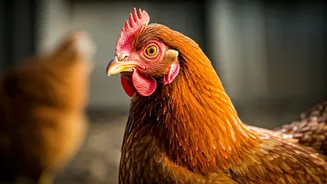
Chickens are an undeniable force in global food systems, constituting a staggering 93.5% of all poultry consumed worldwide. This dominance makes them the most
accessible and dependable source of protein for billions, profoundly influencing culinary traditions and economic landscapes across the globe. Their widespread availability and relative affordability have cemented their position as a cornerstone of diets, driving agricultural practices and trade on an international scale. Understanding this vast presence is key to appreciating the bird's significance beyond individual meals.
India's Growing Flock
India's own avian population has witnessed substantial growth, reaching an impressive 851.8 million birds, a notable increase of 16.8% since the last official count. This surge is fueled by escalating consumer demand and the expansion of poultry farming operations, propelling the sector into one of the fastest-growing segments within livestock. This expansion not only caters to dietary needs but also reshapes food consumption patterns and bolsters the nation's food economy, indicating a dynamic shift in agricultural priorities and consumer preferences.
Egg Production Powerhouse
India stands proudly among the top three global egg producers, a testament to its robust poultry sector. Within the country, Andhra Pradesh plays a pivotal role, contributing almost 18% of the nation's total egg output. Eggs transcend their role as a simple breakfast item; they are a crucial source of essential nutrients and a vital component of India's strategy for food security, ensuring a consistent and accessible protein source for a vast population. Their production is a cornerstone of agricultural output and nutritional well-being.
Broiler Production Outlook
Annually, India produces in excess of 5 million tons of broiler chicken, a significant volume that underscores its capacity for meat production. However, per capita consumption remains lower when compared to international benchmarks. This disparity suggests a considerable untapped potential within the market. As incomes continue to rise and dietary habits evolve, chicken is increasingly poised to become a more prominent feature in the everyday meals of Indian households, signaling a future growth trajectory for poultry consumption.
Consumption Patterns Diverge
The intake of chicken in India lags considerably behind that of countries like the United States and Malaysia, where annual consumption per person can exceed 50 kg. This difference is shaped by a complex interplay of ingrained food habits, cultural practices, and economic factors influencing affordability. Yet, this gap also represents a significant opportunity for expansion within India's burgeoning poultry market, highlighting the potential for increased adoption and integration into mainstream diets.
Economic Backbone Contribution
The poultry industry is a substantial contributor to India's economic framework, accounting for approximately 1.25% of the nation's Gross Domestic Product (GDP). Beyond its direct financial impact, it acts as a vital engine for job creation, supporting millions of individuals employed as farmers, laborers, and in ancillary businesses. Furthermore, it serves as a critical source of income in rural areas, fostering economic development and improving livelihoods across the country.
Eggs: A Dietary Staple
With an annual output numbering in the billions, eggs have firmly established themselves as a fundamental protein source within the Indian diet. The confluence of growing demand and advancements in modern farming techniques has elevated eggs to a key pillar of the poultry industry's success. Their consistent availability and nutritional value make them an indispensable part of the nation's food supply chain, underpinning both consumer accessibility and industry growth.
Rural Livelihoods Supported
Poultry farming plays an instrumental role in sustaining millions of households in rural India, providing not only a crucial source of income but also essential nutritional benefits. Both small-scale farming operations and traditional backyard coops continue to be indispensable elements in the ongoing growth narrative of the country's poultry sector. These decentralized models are vital for community well-being and broader agricultural development.
Urban Diet Integration
In urban settings across India, chicken and eggs are increasingly becoming everyday staples. This shift is primarily driven by their growing affordability and the convenience they offer to busy lifestyles. Consequently, contemporary urban diets are demonstrating a pronounced reliance on poultry products, reflecting changing consumer behaviors and greater accessibility compared to previous eras. This trend indicates a significant evolution in how city dwellers incorporate protein into their meals.
Global Market Aspirations
India's poultry sector is actively extending its reach beyond domestic consumption, with a keen eye on international export markets. The continuous improvements in production volumes and adherence to quality standards are paving the way for new trade opportunities on a global scale. This strategic expansion aims to leverage India's growing capabilities to meet international demand, further solidifying its position in the worldwide food trade and contributing to economic growth.