






PMK Party Divisions
The political landscape is often subject to shifting alliances and internal strife, with the PMK party currently facing such challenges. Reports indicate
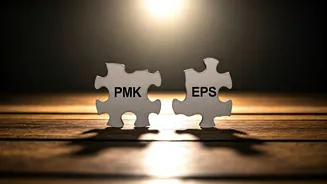
a division within the party, a matter that has caught the attention of Anbumani Ramadoss. These concerns arose during discussions about possible alliances, particularly with EPS. The intricacies of these negotiations and the resulting divisions reflect the evolving dynamics of political parties and their leaders. The need for cohesive strategy is apparent, especially when it comes to the complex process of forming alliances, and the repercussions of internal disagreements.
Alliance Talk Details
Alliance talks themselves are a complex dance of strategic positioning and negotiation. The discussions that involved the PMK party and EPS highlight the strategic thinking that occurs behind the scenes. The central objective of these conversations revolves around the potential for shared political goals and mutual support. This often involves careful consideration of the political landscape, a deep understanding of the needs and ambitions of each party, and the crafting of strategic agreements. While alliance talks can create opportunities for power sharing and mutual benefits, they also have the potential to reveal or exacerbate internal divisions within the involved parties.
Broader Political Context
Beyond the specific alliance talks, the situation involving the PMK party unfolds within a larger political environment. It is crucial to consider the various factors that influence these situations, including the shifting loyalties of voters, the interplay of different political groups, and the impact of the latest developments. Political parties and leaders often navigate a challenging climate, where they must constantly adapt to emerging trends and adjust their strategies. This highlights the fluidity of the political world and the importance of understanding the larger patterns that shape decision-making and influence outcomes.