








Culinary Map Initiative
Uttar Pradesh has rolled out an extensive district-level culinary map, designating specific signature dishes for each of its 75 districts. This initiative,
known as the 'One District-One Cuisine' (ODOC) scheme, is designed to bolster the branding, marketing, and export potential of the state's traditional food items. Notably, every dish featured on this comprehensive list is vegetarian. The state cabinet greenlit this ambitious plan to champion and commercialize the diverse and traditional cuisines found throughout Uttar Pradesh. This scheme was first announced by Chief Minister Yogi Adityanath and officially launched by Union Home Minister Amit Shah, drawing inspiration from the successful 'One District, One Product' program. A significant financial allocation of ₹150 crore has been earmarked for its implementation, with provisions for artisans and entrepreneurs to receive subsidies of up to 25%, capped at ₹20 lakh, though this subsidy can only be utilized once. The detailed framework for the subsidy distribution is still pending release.
District Dish Selections
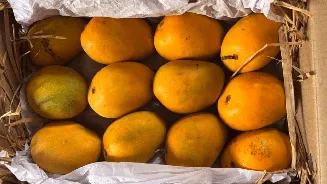
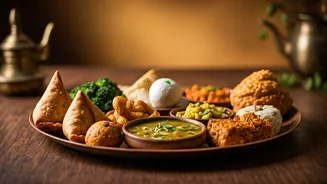
The newly unveiled culinary map showcases a varied array of regional specialties, with a deliberate emphasis on vegetarian options. For instance, Lucknow, a city recognized for its gastronomy, has been assigned delicacies such as rewari, mango products, chaat, and malai makhan. However, its globally renowned meat-based dishes like galawati kebab, Awadhi biryani, nahari kulcha, and Kakori kebab are conspicuously absent from the list. Similarly, Moradabadi biryani, a prominent dish from western UP, has not been included. In other districts, Gautam Budh Nagar, a part of the National Capital Region, has its culinary identity represented by cake and bakery products, while Raebareli's entry is limited to 'Spices.' The scheme has been praised for reflecting genuine regional traditions in many areas, such as Azamgarh's white carrot halwa, Mahoba's date jaggery, Hamirpur's dal-based Bundeli preparations, Varanasi's thandai, lassi, and Banarsi paan, and Jaunpur's imarti. Iconic sweets like Agra's petha and Mathura's peda and chhapan bhog are also prominently featured, acknowledging their status as well-loved traditional offerings.
Promotional Objectives
The core objective of this initiative is to elevate the presence of Uttar Pradesh's culinary offerings on both the national and international food scene. This is to be achieved through strategic enhancements in quality, packaging, branding, and marketing practices. The scheme intends to facilitate improvements in the shelf-life of products, standardize quality control measures, and develop a unique logo for each identified delicacy. Furthermore, it aims to create robust market access by participating in food festivals and exhibitions, as well as partnering with online aggregators. This comprehensive approach is expected to not only boost the visibility and sales of UP's traditional foods but also to foster a stronger connection between consumers and the diverse gastronomic landscape of the state. The initiative aims to create a powerful ecosystem that supports farmers and food processors, ensuring the long-term viability and growth of the region's food industry.
Reception and Concerns
The exclusive all-vegetarian nature of the culinary map, along with specific dish selections, has sparked some debate and skepticism among food experts. Pushpesh Pant, president of the Cuisine Society of India and a food historian, expressed reservations, describing the exercise as 'laughable' and suggesting a misunderstanding of the term 'cuisine.' He highlighted the importance of having distinctly identifiable dishes for each region and pointed out that administrative boundaries often disregard naturally shared culinary heritage, as food transcends man-made borders. However, a senior official from the MSME department, who preferred to remain anonymous, stated that a multitude of factors, including branding potential and ensuring benefits reach the appropriate stakeholders, were carefully considered during the finalization of the ODOC list. The government's commitment to promoting indigenous food products and creating a digital marketplace for SMEs is a key aspect of the plan to ensure accessibility and wider market reach.