





US Tariffs' Impact
The imposition of steep US tariffs has severely strained India's textile industry, particularly affecting exports to the United States, which is India's largest
single market. Actions by the US, including a 25% tariff and an additional 25% penalty on oil-related imports, are causing significant disruption, leading to order cancellations and job losses. The Apparel Export Promotion Council (AEPC) has warned that without an immediate resolution, the sector faces the risk of losing market share permanently. Data indicates that if these conditions continue, an estimated 30 lakh jobs are at immediate risk, with many MSME units facing closure. The impact is significant, with Tamil Nadu, accounting for 28% of India’s textile exports, being particularly affected. A study indicates that sustained 50% tariffs could result in a 67.8% fall in US import demand for Indian textile and apparel, amounting to a $6.6 billion decrease.
Budget Initiatives Unveiled
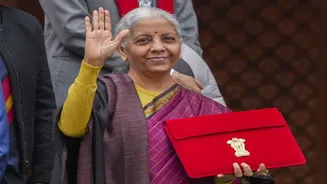
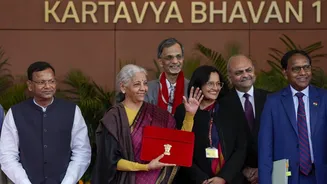
In response to the challenges, the Union Budget presented by Finance Minister Nirmala Sitharaman includes an integrated program designed to modernize the labor-intensive textile sector. This plan comprises various sub-parts targeting different aspects of the supply chain. Specific schemes introduced include the establishment of mega textile parks under a “challenge mode,” focusing on value addition in technical textiles. A National Fibre Scheme for self-reliance in natural and man-made fibers is also proposed. Furthermore, the budget includes the Mahatma Gandhi Gram Swaraj initiative, designed to strengthen khadi, handloom, and handicrafts, focusing on global market linkage and branding, along with support for training, skilling, and production quality. Another important feature is the Tex-Eco Initiative, aimed at promoting globally competitive and sustainable textiles and apparels, alongside the Textile Expansion and Employment Scheme to modernize traditional clusters. Lastly, the Samarth 2.0 initiative will modernize and upgrade the textile skilling ecosystem.
Addressing the Crisis
Despite the budget announcements, some analysts and industry players express concerns that the measures may not be enough to mitigate the immediate challenges posed by US tariffs. Exporters are facing liquidity issues and have urged the government to share at least 25% of the tariff burden to maintain their presence in the US market. The loss of nearly $2 billion worth of textile orders, usually placed in December and January, underscores the urgency of the situation. Some competing economies, such as Bangladesh and Vietnam, which have lower US tariffs, are benefiting from orders that Indian exporters are missing. Furthermore, even if the additional 25% tariff on Russian oil is removed, a negative demand effect of about $2.1 billion is still expected, representing a 21.6% fall in imports across various product categories. The Finance Minister's initiatives signal an intent to address long-term issues but have been criticized for potentially overlooking immediate concerns of the sector.
Key Market Insights
The US is the single-largest market for India's textile and apparel exports, making it a critical focus area for the industry. In the financial year 2024-25, exports to the US were nearly $11 billion, accounting for close to 28% of India’s total exports of these products. Research highlights that the fall in import demand is highest for 'made-ups' ($921 million) and apparel ($788 million), which together account for an 81% decline in import demand. Industry players are calling for targeted intervention, including interest subventions, export incentives, and tax relief to support the sector. Given the high employment rates in the textile sector, these conditions have become a matter of national concern. Overall, the industry demands quick and effective action to sustain its foothold in the global textile market.