






Your Internal Clock
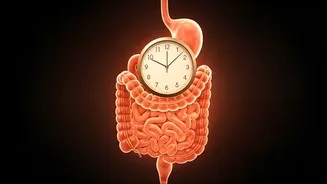
Our bodies operate on an intricate 24-hour internal clock, known as the circadian rhythm. This master clock, a minuscule structure in the brain, orchestrates
a vast array of bodily functions, including hormone release, sleep-wake cycles, and crucially, digestion. It dictates when specific hormones are activated or deactivated. For instance, digestive hormones are most active during daylight hours, preparing the body to process food from sunrise onwards. Conversely, repair hormones, like growth hormone, are released during sleep to aid in tissue regeneration. This internal timing mechanism explains why disruptions to our routine can impact how our body functions, including how efficiently it digests food and manages energy. Understanding this rhythm is the first step toward harmonizing our lifestyle with our physiology.
Consistency Over Strict Times
While an early dinner, perhaps around 6 pm, might seem biologically optimal as digestive hormones naturally wind down at sunset, the paramount factor for good health is consistency. For individuals with demanding work schedules or long commutes, a strict early dinner might be impractical. The key takeaway, as highlighted by experts, is maintaining a predictable eating pattern that aligns with your personal daily rhythm. Whether you dine at 7 pm or 9 pm, the regularity of your meals and sleep schedule allows your body to anticipate and prepare for these processes. This predictability helps in regulating digestive enzymes and hormones effectively, reducing the stress on your system that irregular eating can cause.
Optimizing Your Routine
To promote digestive well-being, especially when late dinners are unavoidable, aim for a gap of at least two to three hours between your last meal and bedtime. This buffer period allows your digestive system to process food adequately before you lie down, mitigating risks like acid reflux and bloating. Opt for lighter, easily digestible meals in the evening, focusing on high-fiber, moderate-protein options while limiting heavy fats, deep-fried items, and excessive sugar. Large portions close to bedtime can also be problematic. Ultimately, establishing and sticking to a consistent dinner and sleep schedule, even if it's later, helps your body adapt and function more efficiently, supporting better digestive health and overall vitality.