

The Protein Predicament
For many vegetarians striving for weight loss or fitness goals, hitting daily protein targets can feel like a constant battle. Low-fat paneer often emerges
as a convenient, protein-packed choice, fitting seamlessly into dietary plans. However, its perceived rubbery texture and unappealing taste can make consistent consumption feel like a chore, jeopardizing long-term adherence. This dissatisfaction can lead individuals to view it as a temporary fix, rather than an enjoyable, sustainable part of their lifestyle. The challenge lies in finding protein sources that are not only effective but also genuinely palatable, ensuring that healthy eating doesn't feel like a punishment. A sustainable approach requires incorporating foods that one can look forward to, making the journey towards fitness goals more enjoyable and less of a struggle, ultimately fostering lasting healthy habits.
Long-Term Habits Matter
Fitness coach Raj emphasizes that viewing protein intake solely as a short-term strategy for weight loss or fitness is fundamentally flawed. The true essence of achieving and maintaining results lies in cultivating sustainable eating habits. Relying on foods you dislike, like potentially unpalatable low-fat paneer, for a limited duration is not a viable long-term solution. The goal is to build a dietary pattern that can be sustained indefinitely, not just until a target weight is reached. This means finding enjoyable ways to meet your nutritional needs, especially protein. If your current protein source feels like a burden, it's crucial to explore alternatives that resonate with your taste preferences. The journey to fitness is about sustained effort and mindful eating, ensuring that the habits formed are adaptable and enjoyable for a lifetime, rather than a fleeting phase.
Flavorful Protein Powerhouses
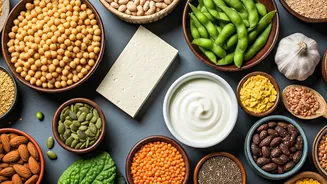
To foster a sustainable approach to protein intake for weight loss, diversifying your vegetarian protein sources is paramount. Instead of relying solely on low-fat paneer, consider integrating options like tofu and tempeh, which offer a more appealing texture and versatility in cooking. Increasing your consumption of various lentils (dal) and incorporating Greek yogurt into your meals can also significantly boost your protein intake while adding essential nutrients and probiotics. For those who find it consistently challenging to meet their protein requirements through food alone, a high-quality protein supplement can serve as a practical and effective adjunct. The key is to create a varied and enjoyable diet that makes meeting your fitness goals feel achievable and sustainable over the long haul, transforming healthy eating from a task into a lifestyle choice.
Top Protein-Rich Alternatives
For vegetarians seeking delicious and effective ways to boost protein intake and support weight loss, several excellent alternatives to low-fat paneer exist. Tofu, a versatile soy-based product, can be grilled, stir-fried, or added to curries, offering a good source of protein, calcium, and iron. Lentils, a staple in Indian cuisine, like masoor, moong, and chana dal, are packed with plant-based protein and fiber, easily digestible and adaptable to countless preparations. Chickpeas, whether in curries, salads, or roasted snacks, provide a substantial protein and fiber punch. Rajma (kidney beans) offer protein and complex carbs for sustained energy, famously in dishes like rajma chawal. Greek yogurt, significantly higher in protein than regular yogurt, is also a valuable addition, alongside edamame (young soybeans), which are a complete protein. Quinoa, a pseudo-cereal, is a complete protein source rich in fiber, and a variety of nuts and seeds offer protein and healthy fats in moderation. Lastly, soya chunks and granules are excellent, low-fat, high-protein meat substitutes.