






A Decade's Wait
Nature orchestrates an extraordinary event in the Western Ghats of South India, where a specific blue flower, known as Neelakurinji, graces the landscape
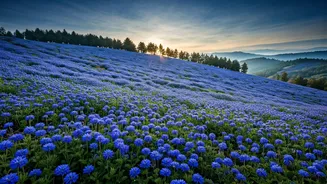
with its presence only once every twelve years. This infrequent blooming cycle transforms the rolling hills into a mesmerizing tapestry of vibrant blue, drawing a multitude of visitors, from nature enthusiasts and photographers to curious travelers eager to witness this rare natural wonder. The phenomenon is a testament to the slow, deliberate rhythms of nature, turning a simple flower into a celebrated occasion that requires a decade of patience.
Botanical Marvel
The Neelakurinji, scientifically classified within the Strobilanthes genus of the Acanthaceae family, is globally recognized for its extraordinary synchronized flowering habit. While there are approximately 250 species of Strobilanthes found worldwide, about 46 of them are native to India. Among these, the Neelakurinji stands out due to its remarkable twelve-year interval between mass flowering events. This unique characteristic distinguishes it from many other Strobilanthes varieties, which might have more frequent but less spectacular blooming cycles, making the Neelakurinji a true botanical rarity.
Habitat and Naming
These captivating blue flowers flourish amidst the shola forests that characterize the elevated regions of the Western Ghats, with a significant presence noted in the states of Kerala and Tamil Nadu. It is widely believed that the iconic Nilgiri Hills, translating to 'Blue Mountains,' derive their name directly from the abundant, periodic blooms of the Neelakurinji. This geographical association underscores the flower's deep connection to the region's identity and landscape, painting the mountains in breathtaking hues during its brief but impactful flowering season.
Blooming Season Details
The Neelakurinji typically commences its spectacular bloom between the months of July and October, thriving at altitudes ranging from 1,300 to 2,400 meters. Following this synchronized display of color, the plants dedicate themselves to reproduction, producing seeds before embarking on their extended dormant phase that lasts for the next twelve years. The last significant flowering event that transformed Munnar's hills into an azure sea occurred in 2024, fueling anticipation for its potential return this year, much to the delight of nature aficionados.
Cultural and Ecological Role
Beyond its visual splendor, the Neelakurinji holds profound cultural significance for indigenous tribal communities residing in the Western Ghats. These communities have historically utilized its twelve-year blooming cycle as a natural calendar to mark the passage of time, calculate ages, and commemorate important life events and seasonal festivals. Furthermore, the flower plays a critical ecological role; its nectar is essential for bees to produce a rare variety of medicinal honey, and the plant's health serves as an indicator of the overall well-being and delicate balance of the fragile Western Ghats ecosystem.
Prime Viewing Locations
For those hoping to witness the Neelakurinji's magical transformation firsthand, Munnar in Kerala stands out as the premier destination. Popular sites within the region offering excellent vantage points include Rajamala, Kovilur, Kadavari, and the renowned Eravikulam National Park. During the flowering season, these locations become hubs for tourists and nature lovers eager to capture the ephemeral beauty of the blue blossoms blanketing the hillsides in a spectacle that is well worth the long wait.