



The Digital Confidant
As artificial intelligence tools like ChatGPT become increasingly prevalent, they are transforming the landscape of human interaction. For many, particularly
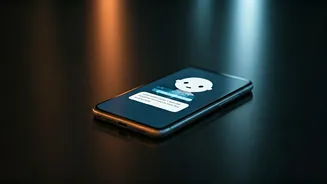
younger professionals, these AI companions are now the first point of contact for inquiries, emotional processing, and even rehearsing everyday conversations. This shift offers a perceived sense of clarity and control, often enabling individuals to bypass the anxieties associated with face-to-face communication in professional settings. One IT professional shared how using AI helps avoid awkwardness in meetings, a sentiment echoed by many who find solace in these non-judgmental digital interfaces. While not identifying as introverted, this reliance on AI acts as an outlet that curtails real-world engagement, a pattern that mental health experts are observing with growing frequency. The convenience and accessibility of AI are making it a default choice for tasks previously reserved for friends, colleagues, or therapists, marking a significant evolution in how we seek support and information.
Sanitized Conversations Emerge
The increasing interaction with AI chatbots is beginning to manifest in the very way individuals communicate, even in therapeutic settings. Psychotherapists note that clients often arrive with a 'sanitized' or processed version of their thoughts, having already filtered their emotions and opinions through an AI system. This algorithmic shaping of narratives means that instead of raw, spontaneous feelings, therapists encounter pre-digested responses. The process of helping clients reconnect with their authentic voices and question their dependence on AI-driven conversations has become a crucial aspect of therapy. This phenomenon, where AI acts as a preliminary processing unit for one's feelings, highlights a growing trend of relying on digital intermediaries for emotional and cognitive tasks that were once uniquely human exchanges.
The Gradual Embrace
For individuals like a 24-year-old communications professional, the integration of AI into daily life was not a conscious decision but a gradual evolution. What began as occasional use has evolved into an extensive daily routine, with over 10 hours spent interacting with AI systems like ChatGPT. This AI companion has become the primary space for initial thought processing, idea exploration, and conversation rehearsal before engaging with others. The appeal lies in the absence of immediate pressure, the freedom from judgment, and the security of imperfect expression. This allows for a clearer, less overwhelmed state of mind when finally communicating with humans. However, this habit also inadvertently replaces the small, spontaneous interactions that naturally occur between friends, colleagues, and family members, potentially diminishing the richness of everyday human connections.
Comfort, Withdrawal, Isolation
The perceived relief derived from avoiding social discomfort through AI interaction can inadvertently reinforce social withdrawal behaviors. Psychiatrists caution that AI chatbots may create a pattern of negative reinforcement, making it easier for individuals prone to avoidance to retreat further into isolation. While introversion itself is not a disorder, the concern arises when AI becomes a substitute rather than a supplement to human connection. The lack of social consequences in AI interactions, where users often receive unconditional acceptance for both rational and irrational thoughts, draws those who find human unpredictability exhausting. However, this can be particularly risky for individuals with social anxiety, as heavy reliance on chatbot interactions may inadvertently reinforce avoidance. Furthermore, studies suggest that such behavioral changes, including the potential for AI to mirror and amplify delusional thinking, could exacerbate psychotic symptoms, especially in vulnerable individuals.
Data Risks and Unease
Beyond the psychological impact, the use of AI raises significant concerns about data privacy and potential misuse. Users are increasingly wary of how their personal information and conversational patterns might be exploited. While direct manipulation through shared disclosures remains a grey area, the underlying risks of data misuse are substantial. AI companies may use conversations to improve models, but more harmful scenarios include targeted phishing attacks or the creation of deepfakes. Personal data inferred from chats could be leveraged to deceive or emotionally influence vulnerable individuals, potentially leading to financial loss, identity theft, or reputational damage. This unease highlights the critical need for robust data protection measures as AI becomes more integrated into our personal lives.
AI: Enhancing or Replacing?
Conversely, some argue that AI is not fostering isolation but rather sharpening the quality of human interactions by removing inefficiencies. For business leaders, AI tools help process information more rapidly, allowing conversations to focus on strategic decisions rather than basic alignment. This improved preparation leads to more meaningful discussions and enhanced collaboration, with AI acting as a tool to 'clear the clutter.' While AI can assist in structuring thoughts, it is not seen as a replacement for the conviction and emotional nuance inherent in human leadership communication. Similarly, in creative fields, while AI is used for brainstorming and reducing drudgery, core writing and authentic expression remain human domains. The rise of AI-generated messages, from emails to congratulatory notes, raises questions about the future of authenticity in personal communication.
The Future of Connection
Ultimately, whether AI amplifies introversion or enhances social skills depends on individual integration. For some, AI serves as a practice ground, refining communication before real-world engagement. For others, it risks becoming a comfortable substitute for genuine human contact. Psychologists emphasize that introversion is about preference for thoughtful environments, not avoidance of people. The complex interplay of disagreement, vulnerability, and emotional nuance in human conversations cannot be fully replicated by algorithms. As AI becomes more ingrained in daily life, the critical question shifts from whether people will converse with machines—which they already do—to how these digital dialogues will ultimately reshape the nature of human-to-human communication and connection.