







Dual Degree Journey Begins
The individual's academic path led them to IIT Kanpur, where they enrolled in the B Tech–M Tech Dual Degree program in Electrical Engineering. This integrated
program, undertaken between 2013 and 2018, signifies a commitment to an in-depth understanding of the field. Such dual-degree programs often combine the advantages of both undergraduate and postgraduate studies, providing a holistic and comprehensive educational experience. This format usually offers students a faster track to advanced knowledge and research capabilities compared to separate degree programs. It equips them with the theoretical knowledge, practical skills, and research experience to excel in diverse roles in the electrical engineering field. The intense curriculum and research opportunities within these programs pave the way for successful careers and significant contributions to the technological landscape. The duration of the program, spanning five years, suggests a rigorous curriculum encompassing a wide array of subjects, specialized training, and research projects. The individual's participation in this program underscores their ambition and dedication to electrical engineering.
IIT Kanpur: The Choice
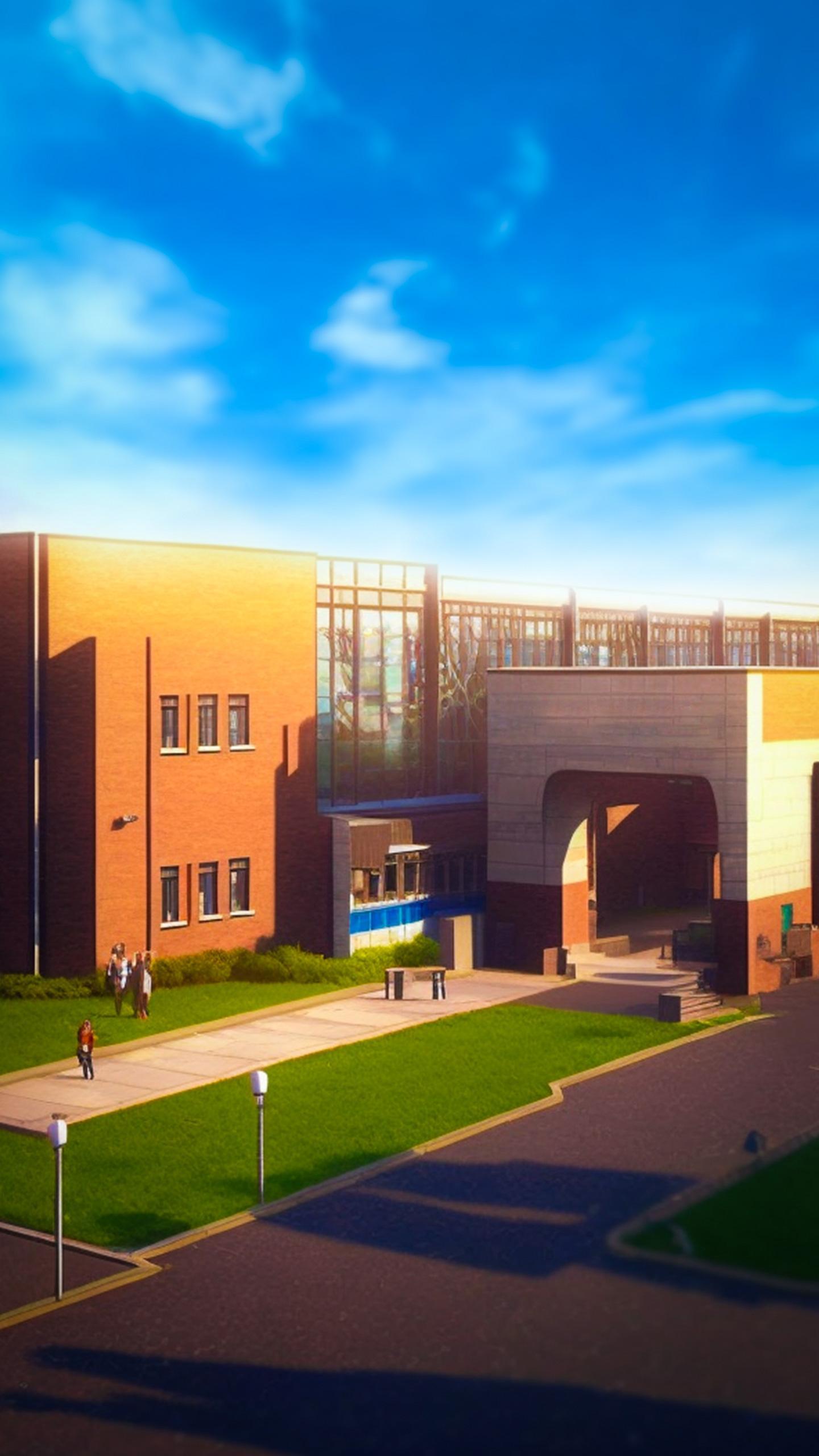
Choosing IIT Kanpur for their dual degree program speaks volumes about the individual's aspirations. IIT Kanpur, a highly esteemed institute in India, is renowned for its academic excellence, research opportunities, and vibrant campus life. The institute's Electrical Engineering department offers a robust curriculum, incorporating cutting-edge technologies and advanced research methodologies. IIT Kanpur's reputation attracts top-tier students and faculty, fostering an environment of innovation and intellectual growth. The choice indicates the individual's desire to access premier educational resources and a stimulating environment that promotes academic and personal development. IIT Kanpur’s strong industry connections provide valuable opportunities for internships and placements, which can accelerate one's career trajectory. Moreover, the institution’s focus on interdisciplinary research facilitates a collaborative atmosphere, nurturing students' problem-solving abilities and expanding their horizons. The individual's experience at IIT Kanpur likely involved active participation in research projects, workshops, and seminars, adding to their knowledge and providing them with a competitive edge.
Program Structure & Scope
The B Tech–M Tech Dual Degree in Electrical Engineering at IIT Kanpur likely offered a comprehensive curriculum spanning five years, integrating bachelor's and master's level courses. This program structure potentially included foundational courses in electrical circuits, electronics, signals and systems, and control systems. As they advanced, the curriculum would have become more specialized, allowing them to explore specific areas like power electronics, communication systems, or embedded systems. The M Tech component of the degree would have demanded advanced coursework and significant research experience, requiring them to undertake a thesis or research project. The program's design, probably incorporating a blend of theoretical lectures, laboratory work, and project-based learning, aimed at equipping students with strong analytical and problem-solving skills. They gained practical experience through internships, giving them exposure to real-world engineering challenges and industry practices. The program's thoroughness would have ensured that they obtained a holistic education, preparing them for advanced studies, research, or industry roles.
Implications & Future Paths
Graduation from the B Tech–M Tech Dual Degree program at IIT Kanpur opened doors to various career paths. With a solid foundation in electrical engineering, they were well-prepared to pursue roles in research, development, and engineering design. The combined degree would have enhanced their job prospects, providing them with a competitive advantage over candidates holding only a bachelor's degree. They could have also opted for further academic pursuits, such as a PhD, to specialize in a specific area. Their comprehensive education equipped them to contribute to technological innovations, whether in academia or industry. They would have also been prepared to contribute to diverse sectors, including power generation, telecommunications, and robotics. This program likely honed their critical thinking abilities, giving them a broad view of the industry. Their future contributions could be in developing cutting-edge technologies, driving advancements, and addressing complex challenges in the field.