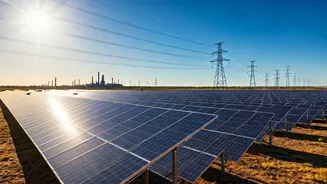

Massive Investment Needed
India's ambition for a green industrial transition requires a massive influx of financial resources. The shift towards sustainable practices and technologies,
crucial for environmental protection and economic development, is hindered by insufficient funding. Achieving this transition involves substantial capital investment in various sectors, including renewable energy, energy-efficient infrastructure, and green manufacturing processes. These investments are vital to building a sustainable economy and mitigating the impacts of climate change.
Identifying the Challenges
Several challenges are slowing down the financial flows required for India's green industrial transition. A significant obstacle is the high upfront cost of green technologies, which often deters investors. Another major hurdle is the limited availability of long-term financing, which is essential to support infrastructure projects with lengthy payback periods. Additionally, policy and regulatory uncertainties can create a risky environment, thus discouraging investments. These factors collectively impede the mobilisation of funds needed for a successful green transformation in India.
Strategic Financial Solutions
Overcoming the financial gap requires a multi-pronged strategy. One important approach is to create attractive investment opportunities through supportive policies and regulatory frameworks. Encouraging public-private partnerships can help mobilize both public and private capital. Furthermore, the development of green finance instruments, such as green bonds and sustainability-linked loans, is essential. Strengthening the capacity of financial institutions to assess and manage the risks associated with green projects is also necessary to create a sustainable financial ecosystem in India.
Role of Public Finance
Public finance plays a crucial role in kickstarting the green industrial transition. Government initiatives like subsidies, tax incentives, and concessional financing can significantly reduce the initial cost burden for green projects. Strategic allocation of public funds towards infrastructure upgrades and green technology adoption can also boost investor confidence. Public financial support can also focus on de-risking green projects, making them more appealing for private investment and promoting a more sustainable approach to industrial development.
Private Sector Engagement
The private sector holds significant potential to drive India’s green industrial transition forward. Encouraging private investments means improving the financial ecosystem, to make it attractive and accessible. This could involve creating more effective risk-sharing mechanisms and providing long-term financing options. Moreover, integrating environmental, social, and governance (ESG) factors into investment decisions can lead to greater investor interest in green projects. By actively involving the private sector, India can unlock the resources and innovative solutions needed to foster a thriving green economy.
Policy and Regulation
Effective policies and regulations are vital for creating a favourable environment for green investments. Clear and stable regulatory frameworks can reduce investment risks and promote investor confidence. Implementing carbon pricing mechanisms can incentivise businesses to reduce their emissions and adopt cleaner technologies. Streamlining approval processes for green projects and providing consistent environmental standards are also crucial. These measures, combined, create the needed certainty to facilitate financing and drive India's green industrial transformation.
The Road Ahead
The journey towards a green industrial future in India demands a sustained and coordinated effort. Continuous investment in green technologies, infrastructure, and skills development is crucial. Consistent policy adjustments, alongside robust monitoring and evaluation frameworks, will ensure the effectiveness of these measures. Strong collaboration among government bodies, financial institutions, and private sector participants is essential to achieving these goals. By taking these steps, India can pave the way for a more sustainable, prosperous, and climate-resilient economy.