



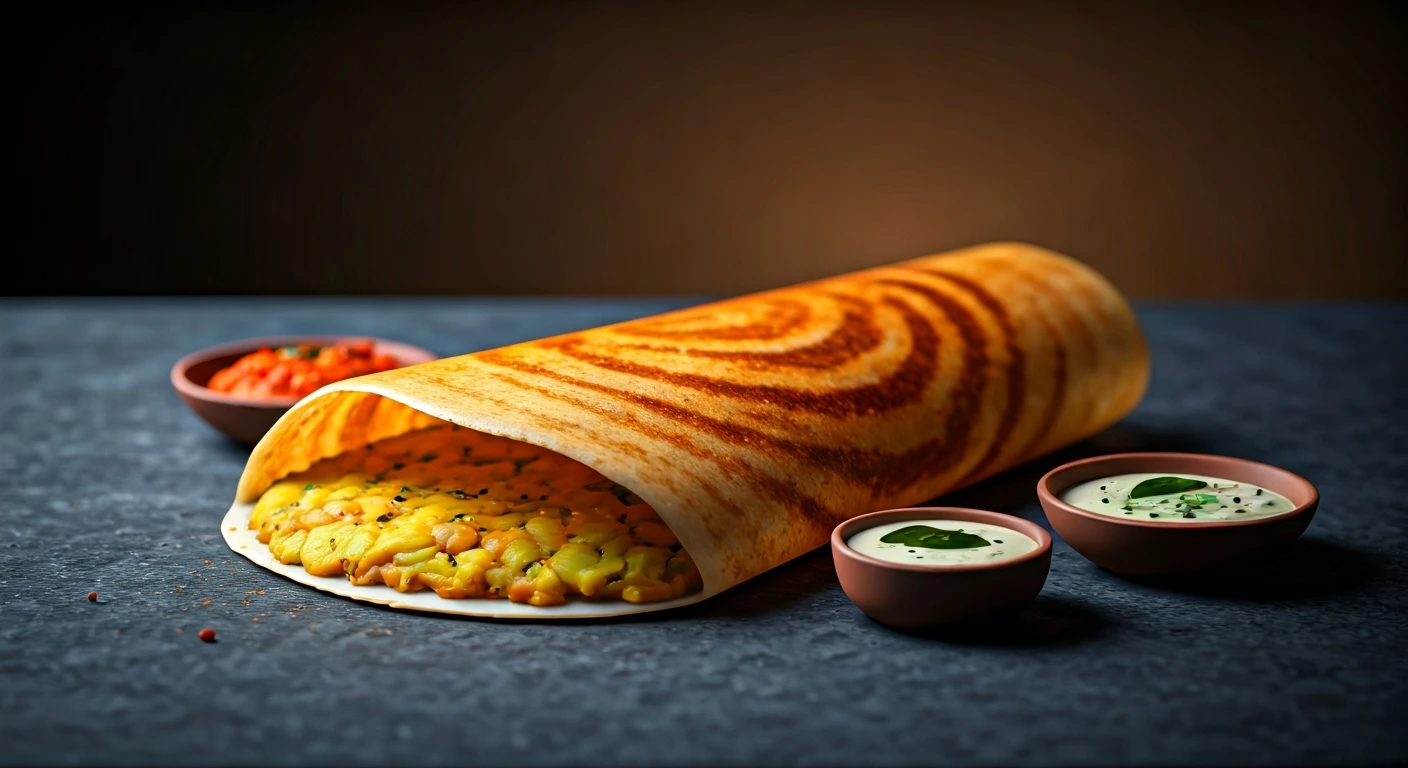

A Buttery Takeover
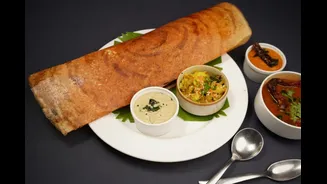
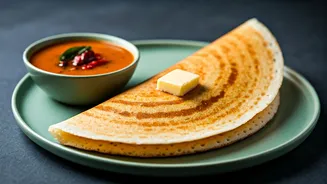
The rich, melt-in-your-mouth benne dosa, a culinary staple from Bengaluru, is currently experiencing an unprecedented surge in popularity across India.
Once exclusively associated with its city of origin, this thick, golden-brown delicacy, characterized by its soft interior and generous spread of unprocessed white butter (benne), is now drawing significant crowds in major cities like Mumbai and Delhi. Its irresistible charm has prompted even established South Indian restaurants, with years of history, to integrate it into their menus, a clear indication of its widespread appeal. This culinary phenomenon isn't just about taste; it represents the growing appetite for authentic regional flavors that resonate nationwide. The success story of the benne dosa highlights how a simple, well-crafted dish can transcend geographical boundaries and become a national obsession, captivating a diverse audience eager for genuine food experiences.
From Craving to Creation
The nationwide embrace of the benne dosa can be largely attributed to the dedication of individuals like Akhil Iyer and Shriya Narayan. Originally from Bengaluru, their move to Mumbai ignited a quest for the authentic benne dosa they grew up cherishing from iconic establishments such as Central Tiffin Room (CTR) and Vidyarthi Bhavan. Frustrated by the absence of a comparable taste in Mumbai, Iyer was inspired to recreate this beloved dish himself. This ambition led to the establishment of 'Benne' in Bandra, Mumbai, in June 2024. Initially a small, 250-sqft eatery, it focused on a curated menu featuring traditional South Indian items alongside its star attraction: the benne dosa, offered in plain, masala, podi plain, and podi masala variations. The venture quickly outgrew its humble beginnings, expanding to include an outpost in Delhi's Greater Kailash-2 and additional locations in Mumbai, including a substantial 4,400-sqft outlet in Chowpatty.
Mastering the Craft
Achieving the perfect benne dosa required Iyer to meticulously hone his skills, drawing inspiration from Bengaluru's culinary heritage. He underwent rigorous training under a seasoned dosa master operating a popular roadside stall on Avenue Road in Bengaluru. This apprenticeship provided him with invaluable insights into crucial aspects of dosa preparation, including the selection and management of the tawa (griddle), precise temperature control, and the art of batter fermentation. Iyer describes this period as an 'honest attempt at doing them right,' dedicating two months to intensive trials. His home transformed into a research and development hub, where he consulted with chefs and solicited feedback from Bengaluru residents to refine the flavor profile. The dish's appeal quickly garnered attention, with notable personalities like Dia Mirza visiting on the opening day, followed by Deepika Padukone and Ranveer Singh, further fueling its visibility and desirability through social media.
The Davanagere Connection
Tracing the origins of the benne dosa leads us to Davanagere, a city approximately 275 kilometers northwest of Bengaluru, and to a fascinating, albeit possibly apocryphal, tale involving a woman named Chennamma. Food writers Anurag Mallick and Priya Ganapathy, who extensively researched Karnataka's food landscape, share this narrative. It is said that during a period of famine, Chennamma relocated to Davanagere and began selling dosas made from ragi flour. The abundance of rice mills in Davanagere meant that mandakki, or puffed rice, was readily available. Her sons, Shanthappa and Mahadevappa, are credited with adapting the original recipe, substituting ragi with rice and incorporating generous amounts of the signature benne, or white butter. Shanthappa later established Shantappa Hotel in 1944, which stands today as the oldest benne dosa establishment in Davanagere. Mahadevappa’s son, Ravi, founded Ravi Hotel. Other notable Davanagere eateries for this delicacy include Old Sagar Benne Dose Hotel and the highly popular Sri Guru Kottureshwara Butter Dosa Hotel near JJM Medical College.
Nationwide Expansion
The popularity of the benne dosa is now a nationwide phenomenon, extending its reach to various cities beyond Bengaluru and its initial expansion points. Eateries in Jaipur, Chandigarh, and Kolkata are increasingly featuring this delicacy. Even in Mumbai's suburbs, like Thane, newly opened South Indian restaurants such as BLR Room are highlighting it. Matunga, a long-standing hub for affordable South Indian cuisine in Mumbai, has embraced the benne dosa wholeheartedly. Anand Bhavan, an 80-year-old establishment, has added it to its menu, where it has rapidly become one of their top-selling items, according to third-generation owner Preetesh Nayak. At the 76-year-old Cafe Madras, a richer, butter-infused version is served, with owner Devavrat Kamath noting they even add benne to the batter, a recipe learned from neighbors. Rajesh Nayak of Liberty Lunch Home in Marine Lines asserts their benne dosa is superior due to specific techniques and equipment, emphasizing the need for a higher rice proportion for texture and thicker tawas for even roasting.
The Art of the Dosa
Achieving the signature texture and flavor of the benne dosa involves precise culinary techniques. Rajesh Nayak explains that a higher proportion of rice in the batter is crucial for achieving its characteristic texture. He also highlights the importance of using thicker tawas, typically around 1.5 inches thick compared to the half-inch tawas used for standard dosas, to ensure uniform roasting across the entire surface. Fermentation plays a pivotal role, as the batter must be light and airy, characterized by its ability to yield to a finger press. Despite these technicalities, the dish’s humble origins are undeniable; it evolved over time rather than originating from a single source, gradually becoming the crisp and glossy version known today. Bengaluru’s Vidyarthi Bhavan, a legacy eatery serving its version for over eight decades, distinguishes its offering. Arun Kumar Adiga, a third-generation custodian, notes that their thick, crisp dosa, always made with butter and ghee, differs from the thinner Tamil Nadu style and the softer, butter-smeared Davanagere variety. The benne podi masala dosa, involving dosas smeared with gunpowder, has also gained traction, with Rameshwaram Cafe known for popularizing its presentation.
Beyond the Trend
While the benne dosa is currently experiencing a nationwide surge in popularity, some establishments remain steadfast in preserving their legacy. Vidyarthi Bhavan, for instance, continues to serve its well-established version, with Arun Kumar Adiga stating they cannot chase trends as a legacy brand. While demand has increased, with customers often inquiring specifically for 'benne dosa' only to be informed that it's their signature offering, their menu remains focused. Approximately 70% of their sales still come from the masala dosa, which many now identify as benne masala dosa. Akhil Iyer of Mumbai's Benne acknowledges that while social media, particularly Instagram, played a significant role in promoting the dish through platforms like @benne.bombay, the true credit belongs to the dish itself and the early supporters who embraced it. He expresses pride in his culture and childhood, grateful for the opportunity to share this food.