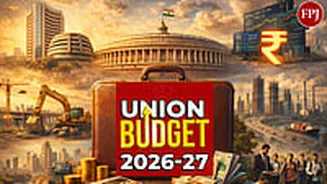

Budget Day Anticipation
The excitement surrounding the Union Budget 2026 is palpable, with Nirmala Sitharaman scheduled to present it in Parliament after meeting with the President.
This event, much like past budget announcements, is a significant moment for the nation, as it sets the financial direction for the coming year. Media coverage and expert analysis are in full swing, reflecting the importance of this annual fiscal exercise. The budget is not just a financial statement; it is a declaration of the government’s priorities and strategies for the future. The lead-up to the budget announcement is filled with market analysis, economic forecasts, and policy discussions, creating a dynamic environment of anticipation. The unveiling of the budget details often has immediate effects on various sectors of the economy, making it a crucial event for investors, businesses, and citizens alike. The historical context of budget announcements, such as the excitement that has persisted since 1991, highlights the enduring significance of these events in India's financial narrative.
Market Trend Analysis
Market analysts, including experts like Siddharth Zarabi, have been deeply involved in studying market trends in the run-up to the Union Budget 2026. Their analyses often consider various economic indicators, sector-specific performance, and global market influences. Understanding these trends is critical for anticipating how the budget might impact different sectors and overall market sentiment. This pre-budget analysis provides vital insights that inform investment strategies and business decisions. The close scrutiny of market dynamics reflects the interconnectedness of financial policies and economic performance. Furthermore, these analyses incorporate historical data and current economic realities to predict how different policy decisions might affect the market. This careful observation by analysts helps in developing informed expectations about the budget's potential outcomes, aiding stakeholders in making strategic decisions and preparing for the changes that lie ahead.
Tax Policy Expectations
A significant aspect of the Union Budget 2026 is the expected tax policies, which draw considerable attention from market watchers. Experts like Manish Singh are particularly focused on areas like taxation, including Long-Term Capital Gains (LTCG) and Short-Term Capital Gains (STCG). These specific tax policies are crucial as they directly impact investment decisions and market behavior. The government's decisions on these matters significantly affect investor sentiment and influence market liquidity. Understanding the proposed tax changes is vital for investors who are looking to adjust their portfolios in line with the new policies. Changes in tax structures often lead to shifts in market behavior, with investors reacting to new incentives or disincentives. The anticipation and analysis of tax policies reflect their profound impact on the financial landscape, making this a pivotal element of the budget’s impact.
Historical Context & Coverage
The media's role in reporting on the Union Budget is another essential aspect, with journalists like Rajdeep Sardesai recalling past budget coverage. His reflection on the 1994 budget coverage highlights the consistent excitement and anticipation surrounding these events since 1991. The media’s role includes providing analyses, interpreting policy implications, and facilitating public understanding of the budget. Through various platforms, media outlets offer insights from experts, cover market reactions, and explain the budget's relevance to different segments of the population. This comprehensive coverage helps to inform and engage the public while also influencing market perceptions and reactions. By providing in-depth analysis and historical context, the media reinforces the significance of the budget in the national discourse. The ongoing engagement by the media contributes to the public's understanding and involvement in the budget process.
Symbolism and Messaging
The public is also looking at the symbolic messaging tied to the Union Budget. Shweta Singh’s observations on Nirmala Sitharaman’s attire, particularly the saree selection, serve to illustrate how elements beyond the financial specifics can communicate symbolic messages. Such observations highlight how seemingly small details can be viewed as reflections of cultural awareness, regional focus, or subtle policy intentions. These details are often interpreted by political analysts and observers to glean additional insights into the government's approach. In this respect, the budget announcement can be about the fiscal statements as well as a representation of broader political and social statements. These elements contribute to the complex interplay between financial policy and public perception. The analysis of these elements can enrich the understanding of the budget’s broader implications.