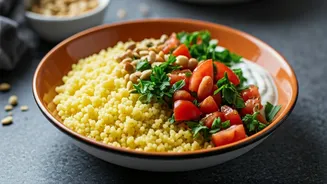









Importance of Nutrition
Proper nutrition is fundamental for maintaining an active lifestyle and it greatly impacts physical performance. When you are regularly engaging in physical activity,
your body demands more fuel to ensure that it has the energy it needs. This means a diet should deliver enough calories to meet energy needs, alongside a wide range of essential nutrients to support optimal body function and repair. Protein is important for muscle repair and growth, carbohydrates are the main energy source, and fats are important for overall health and hormone production. Vitamins and minerals are vital for various bodily functions, including boosting immunity and reducing the risk of injuries and illnesses. Eating the right foods ensures your body performs at its best and efficiently recovers from exercise. This is why paying attention to what you eat is crucial for a healthy and fulfilling active lifestyle.
Meal Planning Strategies
Effective meal planning is a key strategy for maintaining a nutritious diet. It helps ensure that you have healthy meals available, and also it avoids the impulse decisions that may lead to unhealthy choices. Start by planning your meals for the week, considering your schedule and activity levels. Make a list of meals and snacks, and then create a shopping list based on the recipes you've selected. Preparing meals and snacks in advance can also save time and prevent you from relying on less healthy options. For example, if you know you have a busy week ahead, you can cook a large batch of quinoa and roast a variety of vegetables on the weekend. Then, during the week, you can quickly assemble meals. Keeping healthy snacks on hand, such as fruits, vegetables, and nuts, can prevent hunger and overeating. Meal prepping and thoughtful planning are the building blocks of eating right and ensuring that your body is fueled for success.
Nutrient-Rich Foods
Incorporating nutrient-rich foods into your diet is essential for supporting an active lifestyle. These foods are packed with vitamins, minerals, and other vital nutrients that fuel your body and boost your overall health. Lean protein sources, such as chicken, fish, beans, and lentils, are necessary for muscle repair and growth. Complex carbohydrates, like whole grains, oats, and sweet potatoes, provide sustained energy. Healthy fats, found in avocados, nuts, and olive oil, are vital for hormone production and overall well-being. A variety of fruits and vegetables are extremely important as they provide a wide range of vitamins, minerals, and antioxidants. These foods help reduce inflammation, protect against disease, and support optimal body function. Incorporating a wide variety of these foods into your daily meals will ensure that your body has what it needs to perform at its best.
Hydration and Hydration
Proper hydration is often overlooked but it is essential for an active lifestyle and it greatly affects both performance and overall health. During physical activity, the body loses fluids through sweat, which is needed to regulate body temperature and transport nutrients. Dehydration can lead to fatigue, muscle cramps, and decreased performance. Aim to drink water throughout the day, especially before, during, and after exercise. Electrolyte-rich drinks, such as sports drinks or coconut water, can help replace lost electrolytes during intense workouts. Listening to your body's cues is very important. Pay attention to thirst, and make sure that your urine is light yellow. Adjust your fluid intake according to your activity level, the climate, and your individual needs. By staying adequately hydrated, you can keep your energy levels high, boost performance, and protect your body from potential health problems.
Snacking for Energy
Strategic snacking can be incorporated into an active lifestyle to maintain energy levels and support your nutritional needs. Choose snacks that are nutrient-dense and provide a combination of protein, carbohydrates, and healthy fats to provide sustained energy. Good snack options include a handful of nuts and seeds, Greek yogurt with berries, a piece of fruit with nut butter, or a hard-boiled egg. Schedule your snacks around your workout times to provide extra fuel before exercise or to aid recovery afterward. For instance, if you're planning a mid-morning workout, have a small snack of a banana with peanut butter about an hour before. After a strenuous workout, consume a snack that combines protein and carbohydrates, such as a protein shake or a small portion of chicken with sweet potatoes. It’s also important to portion your snacks to avoid overeating. Planning ahead and choosing healthy options ensures you stay fueled and energized throughout your day, supporting your active lifestyle and overall well-being.
Supplements and Considerations
While a balanced diet is always the priority, supplements may play a role in supporting the nutritional needs of people with active lifestyles. Before adding any supplements to your routine, consult with a healthcare professional or a registered dietitian. Some popular supplements include protein powder, which supports muscle repair and growth, creatine, which enhances strength and performance, and omega-3 fatty acids, which reduce inflammation and support overall health. When choosing supplements, look for high-quality brands that have been third-party tested for purity and potency. Do not take the place of real food and make sure to have balanced meals first. It is crucial to have a diet based on whole foods and avoid over-relying on supplements. Always follow the recommended dosages and be aware of any potential side effects or interactions with medications. With careful evaluation and informed decisions, supplements can become a complementary addition to your overall nutritional plan.