






Unforeseen Price Jump
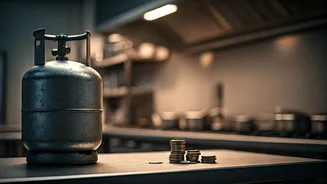
The recent surge in commercial Liquefied Petroleum Gas (LPG) prices, reaching an unprecedented Rs 933 increase, has caught many businesses off guard. Restaurant
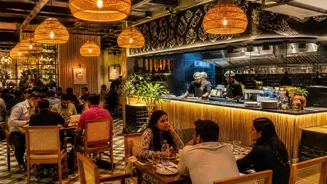
owners across India are contemplating menu adjustments, with projections indicating a 5% to 20% hike in prices for their offerings. This substantial cost escalation, described as the highest ever, is largely attributed to global geopolitical factors, with commercial entities bearing the brunt of these fluctuations. Small-scale eateries and larger restaurant chains alike are analyzing their operational costs to absorb or pass on these increased expenses. This situation is particularly challenging as it follows a period of ongoing cylinder scarcity, which had already necessitated changes like reduced menu options and the adoption of alternative cooking fuels.
Economic Strain on Businesses
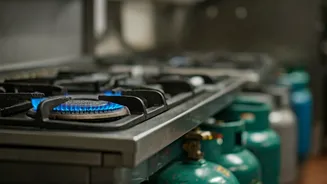
The financial implications of the LPG price hike are profound for the hospitality sector. For a small establishment like Aram Vada Pav, the new pricing translates to an additional monthly expenditure of approximately Rs 70,000, given their daily consumption of 2.25 cylinders. This owner has already implemented price increases, moving the vada pav from Rs 25 to Rs 30 and thalipeeth from Rs 90 to Rs 100, but expresses concern about the sustainability of repeated price adjustments. Larger groups like Burma Burma, operating multiple outlets, face monthly additional costs of around Rs 3.5 lakh, amounting to Rs 42 lakh annually, due to requiring 350 cylinders per month for a portion of their locations. This escalating expense impacts the entire food service ecosystem, affecting packaging, and other operational costs, further complicated by labor shortages.
Menu Adjustments and Fears
Facing these mounting costs, many restaurants are compelled to revise their menu prices. While some, like Burma Burma, are holding off on immediate increases to avoid deterring customers, others, such as Udupi Shree Krishna, see no alternative but to implement significant price hikes, with a minimum of 20% on their menu items. This reluctance to absorb further costs is a sentiment echoed by many, as previous increases from Rs 1,800 to Rs 2,000 were managed, but the current jump is deemed unsustainable. Industry representatives voice serious concerns that this price hike could exacerbate the existing challenges, potentially leading to business closures and substantial job losses. The ripple effect is expected to impact various facets of the hospitality industry, including catering, events, and tourism-related services, creating a broader economic strain.
Sector-Wide Impact
The consequences of the commercial LPG price surge extend far beyond individual restaurant bills. Establishments like Olympia Coffee House are planning a 5% to 10% increase across all dishes, while Lucky Restaurant is contemplating a 5% to 7% hike, even as they grapple with staff shortages and the complexities of using alternative fuels like coal. Bengaluru's Vidyarthi Bhavan notes that while larger entities might possess the resilience to weather such financial storms, smaller businesses are finding it exceedingly difficult to cope. The convenience of transitioning to alternative energy sources like induction and electric cooking, which reduces LPG dependency, is not universally accessible. This situation highlights the disparity in resources and preparedness across the sector, with many smaller operators facing an existential threat. Industry leaders are urgently calling for government intervention to roll back these price increases.