






The 1990s Dining Scene
The 1990s offered a distinct charm to Indian train travel, where meals were an intrinsic part of the journey's rhythm. Unlike today's instant food apps,
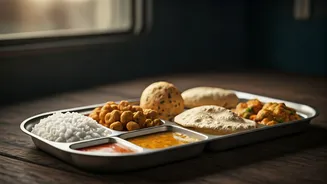
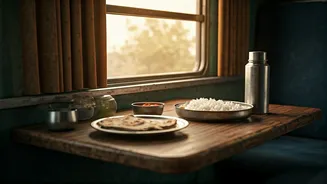
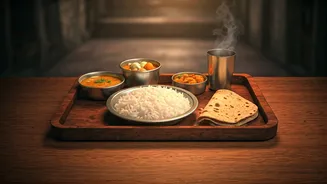
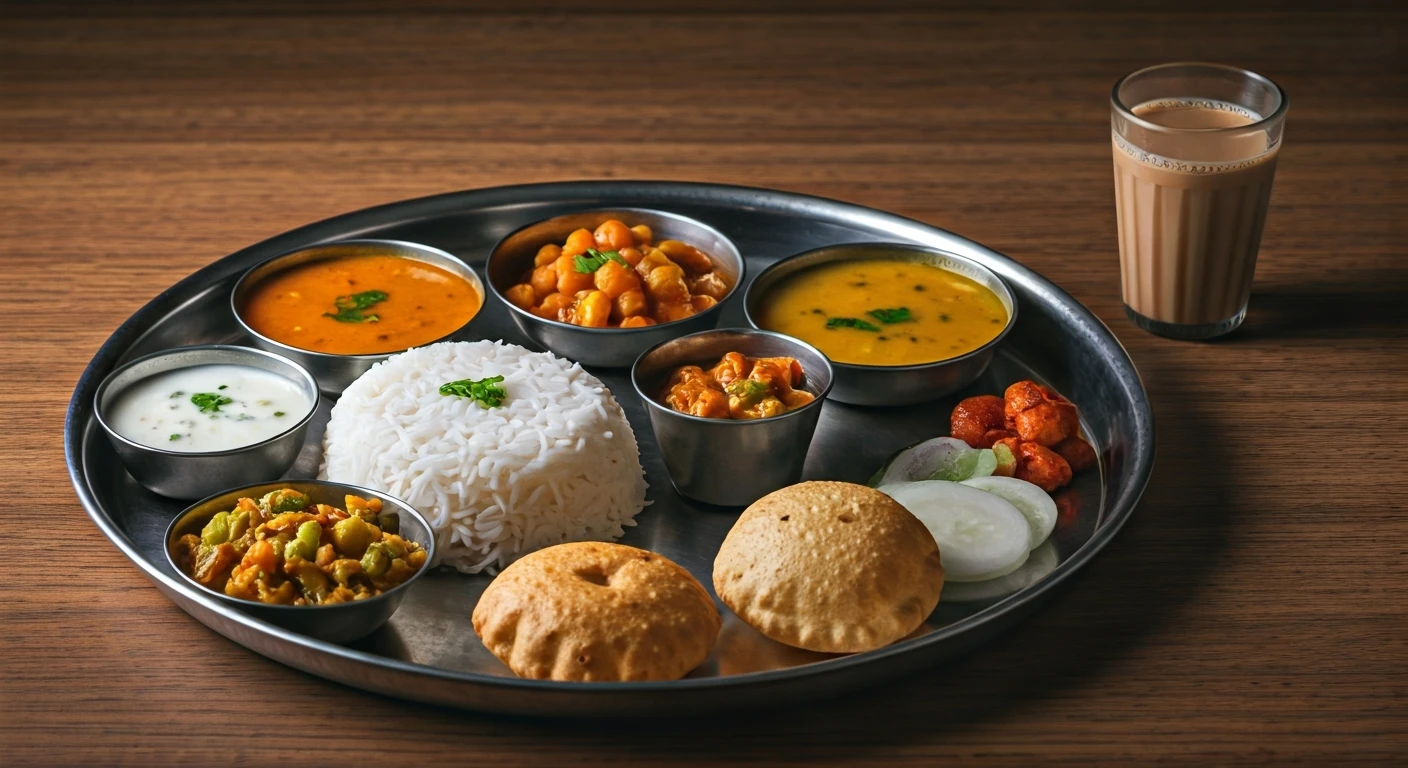
passengers relied on the railway's pantry cars or the bustling vendors at stations for their sustenance. The catering system back then was decentralized, with each railway zone managing its own food services, leading to varied menus across different routes. Pantry cars, operating right on the trains, and refreshment rooms at major stations were the primary sources of food. Private contractors also played a role on busier lines, contributing to the diversity of offerings. Meals were typically presented on sturdy steel trays or robust melamine plates, and beverages like tea were served in thick glass tumblers, designed to retain heat for extended periods. The aroma of food being prepared near the pantry car added to the sensory experience, making eating more than just satisfying hunger; it was a fundamental aspect of the overall travel experience, fostering a unique connection between the passenger and the journey itself.
Staple Vegetarian Fare
Vegetarian thalis formed the cornerstone of meals served on Indian Railways during the 1990s, providing a filling and comforting option for most passengers. These were usually composed of staples like steamed rice or freshly made chapatis, accompanied by a simple preparation of yellow dal, a basic vegetable dish, and a tangy pickle to add flavour. The simplicity of these dishes made them ideal for preparation and reheating within the confines of a moving train, ensuring that passengers on long journeys had access to wholesome food. For extended travel durations, dishes like pulao, a fragrant rice preparation, or khichdi, a comforting mixture of rice and lentils, were frequently offered. These items were chosen not only for their ease of preparation but also for their digestibility, making them suitable for travellers undertaking long journeys. This focus on accessible and easy-to-digest vegetarian options ensured that a significant portion of passengers had a reliable and familiar meal choice.
Regional Breakfast Delights
The breakfast offerings on Indian Railways in the 1990s provided a glimpse into regional culinary traditions, varying significantly based on the train's route. In the northern parts of India, travellers could often look forward to aloo parathas, a popular flatbread stuffed with spiced mashed potatoes, served with a side of curd or yogurt. Journeys through the southern regions typically featured breakfast staples like idlis, steamed rice cakes; upma, a savoury porridge made from semolina; or pongal, a rice and lentil dish. Across all zones, basic options such as bread and butter were also widely available, catering to a broader range of preferences. These morning meals were designed to offer passengers a taste of local flavours, starting their day with a sense of familiarity and regional identity, making the early hours of the journey more pleasant and culturally immersive.
Platform Snack Charms
Station stops during the 1990s were often eagerly anticipated for the array of fresh snacks available from vendors who traversed the train coaches. Popular items included samosas, deep-fried pastries filled with spiced potatoes or other savoury fillings; kachoris, a deep-fried puffed bread often filled with lentils or peas; and cutlets, minced meat or vegetable patties that were fried to a golden crisp. At larger railway junctions, passengers had the opportunity to quickly purchase more substantial snacks like pakoras, fritters made from various vegetables dipped in gram flour batter and deep-fried, or vadas, savoury fried dumplings, which were typically wrapped in newspaper. This lively exchange of food during brief halts added an element of excitement and fun to the journey, with many travellers fondly recalling these quick, impulsive purchases as cherished memories of their train adventures.
Limited Non-Veg Choices
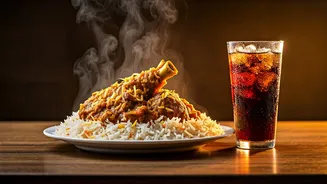
While vegetarian options were abundant, the availability of non-vegetarian dishes on Indian Railways in the 1990s was more restricted, often depending on specific routes and pantry car capabilities. Omelettes were a common inclusion during breakfast hours, providing a simple protein-rich option. Some trains also featured egg curry, typically served with rice or rotis, offering a slightly more elaborate egg-based dish. On select routes, more substantial non-vegetarian meals like chicken curry or biryani, a flavourful rice dish cooked with meat and spices, might appear on the menu. However, dishes featuring mutton, or lamb, were less commonly found in pantry cars and were more likely to be available at station canteens or refreshment rooms, particularly at major hubs. This limited availability meant that non-vegetarian meals were a more special indulgence rather than a daily staple for most passengers.
Sweet Endings
Desserts, though simple in the 1990s, provided a sweet conclusion to train meals and were much appreciated by passengers. Popular choices included soan papdi, a flaky, sweet cube often dusted with cardamom and pistachios, and gulab jamun, soft milk-solid-based dumplings soaked in a rose-flavoured sugar syrup. Besan laddoos, sweet balls made from gram flour, ghee, and sugar, were also a frequently offered and well-loved confection. Beyond these prepared sweets, many passengers would carry their own biscuit packets, often shared amongst fellow travellers, adding to the communal spirit of the journey. For those seeking fresh fruit, vendors at major stations would sell items like bananas and oranges, providing a healthier, natural sweet option for the trip.
Hydration and Water
In the 1990s, packaged drinking water was not as ubiquitous as it is today, and managing hydration was a more personal affair for passengers on Indian Railways. Many travellers would carry their own water bottles filled from home, ensuring a consistent supply throughout their journey. A common practice was to refill these bottles at platform taps during stops at stations, a method that required a degree of trust in the water's potability at different locations. Branded railway-supplied bottled water was not yet widely available nationwide, making this self-reliance a necessity for most. Thus, ensuring adequate water supply was an essential part of the trip planning process for anyone embarking on a train journey during that era.
A Lingering Fondness
Compared to the extensive and varied food options available today, the choices offered by Indian Railways in the 1990s were considerably more limited. The menus were largely dictated by the pantry car's operational capacity and the overall length of the journey. Nevertheless, these meals carried a unique charm, often feeling intrinsically connected to the regions the train traversed. There was a palpable sense of simplicity and familiarity in the food served, which resonated deeply with travellers. For a generation of passengers, the memories of these uncomplicated yet satisfying meals continue to evoke a special sense of nostalgia, representing a simpler time in Indian train travel where food was a heartfelt part of the adventure.